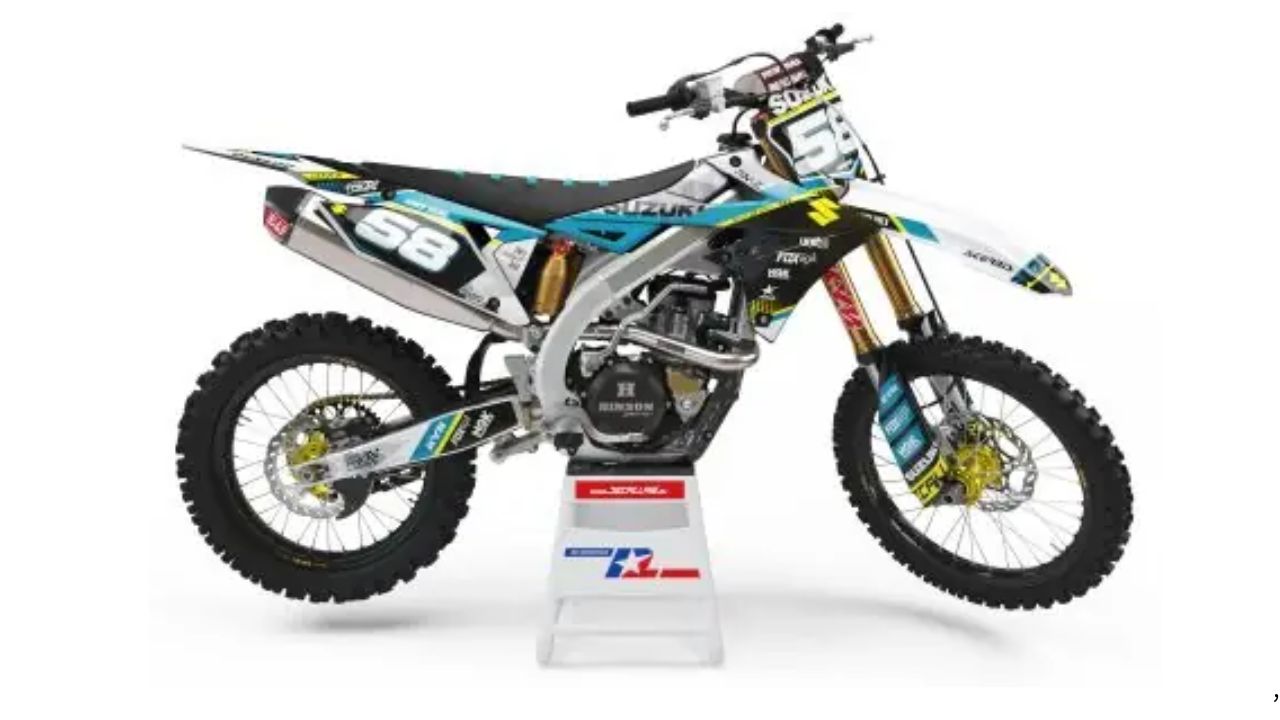

Did you know that 85% of sponsored riders believe that the aesthetic presentation of their bike psychologically influences their confidence on the starting line? The age-old adage “look good, feel good, ride good” holds significant weight in the world of motocross and enduro. However, in 2026, looking good is no longer just about color palettes; it is about texture and light reflection.
The challenge for modern riders is the overwhelming variety of options available. With the rise of exotic materials like holographic films and textured laminates, choosing between a stealthy matte look or a flashy chrome kit can be paralyzing. Making the wrong choice can lead to a bike that looks terrible after one muddy moto or a design that peels prematurely.
Understanding the technical and aesthetic differences between matte vs gloss motocross graphics is critically important for establishing a professional racing identity. This article will guide you through the pros, cons, and performance characteristics of each finish, ensuring your bike looks as fast as it rides.
Table of Contents
What is the “Right Finish” in Motocross Graphics and Why Pay Attention?
When we discuss the “finish” of a graphics kit, we are primarily referring to the overlaminate—the thick, clear protective layer that sits on top of the printed design. This layer protects the ink from UV rays, fuel spills, and the abrasive rubbing of your boots and knee braces.
In the context of 2026, the finish has evolved from a simple protective measure into a core design element. It defines how light interacts with your machine. A gloss finish reflects light, making colors pop and shine, while a matte finish absorbs light, smoothing out body lines for a stealthy, factory-prototype look.
Paying attention to this detail is vital because different finishes perform differently under various track conditions. For example, the best finish for mud racing is not necessarily the best finish for a dry, dusty desert race. Your choice affects not only how the bike looks in photos but also how easy it is to clean and maintain over a full season.
Common Mistakes to Avoid Regarding Graphic Finishes
Riders often choose a finish based solely on a picture they saw on Instagram, without considering the practical realities of their riding environment. Avoid these common pitfalls when selecting your kit:
- Using Matte in Heavy Mud: A common misconception is that matte looks “tougher” for off-road. However, the microscopic texture of matte laminate holds onto dirt and clay much more stubbornly than the slick surface of gloss, making it significantly harder to clean.
- Assuming Chrome is Weak: In the past, chrome graphics were notorious for separating or “delaminating.” Modern technology has solved this, yet many riders still avoid chrome mx graphics durability out of outdated fears.
- Ignoring the “Blend” Factor: Buying a matte graphics kit for a bike with glossy OEM plastics (fenders and shrouds) can look disjointed. If you go matte, you often need to commit to a full-coverage kit or buy matte aftermarket plastics to match.
- Overlooking Scratch Visibility: While gloss shows “swirl marks” from washing, matte finishes can show permanent “shiny spots” where your knees rub against the shrouds, polishing the texture down to a smooth surface.
Step-by-Step Guide: How to Effectively Choose Your Racing Finish
To select the perfect finish, you need to analyze your riding style, budget, and maintenance habits. Follow this decision matrix to find your ideal match.
- First Step: Define Your Primary Terrain
If you are a track rider who encounters mud, clay, or sticky loam, Gloss is your best ally. The slick surface sheds mud faster, keeping the bike lighter. If you ride dry desert trails or rocky enduro, Matte is excellent as it hides deep gouges and scratches better than a reflective surface. - Second Step: Assess Your “Flash” Factor
Do you want to stand out or blend in? If you want to grab attention, consider holographic dirt bike stickers or Chrome. These materials reflect the environment and change color as you move, ensuring all eyes are on you. If you prefer an understated, “factory test rider” vibe, Matte Black or Matte Grey is the ultimate status symbol. - Third Step: Evaluate Maintenance Willingness
Be honest about how much time you spend washing your bike. Gloss is the “wash-and-go” option. Chrome requires polishing to prevent water spots from dulling the mirror finish. Matte requires specific “matte-safe” cleaners, as standard wax will ruin the flat finish. - Fourth Step: Consider the Photography Aspect
If you are building a bike for social media or sponsors, lighting matters. Gloss graphics can suffer from “glare” or “hot spots” in photos, hiding your name or number. Matte finishes diffuse light, making the text and logos readable from any angle, which photographers love.
Best Practices and Expert Recommendations for Excellent Results
To achieve a factory-level result, you can mix and match technologies for a truly custom look. For riders looking to refine their approach and maintain consistency, learning how to enhance your routine can make a noticeable difference in keeping finishes pristine.
First, explore the “Galactic” trends. The surge in popularity of holographic dirt bike stickers (often called “Galactic” or “Holo”) is due to their versatility. Riders who want to push the limits of design often combine these with custom stickers for a truly unique look that stands out on the track. When paired with a gloss laminate, these metal-flake films explode with color in the sun but look like standard silver or grey in the shade. This gives you two bike looks for the price of one.
Second, understand Chrome maintenance. To maximize chrome mx graphics durability, you must seal the edges. Chrome is a layered metalized film, and water pressure can force the layers apart. Using clear fingernail polish or an edge-sealer pen on the leading edges of the shrouds will prevent the chrome from peeling back.
Finally, don’t be afraid to mix finishes. A growing trend in 2026 is “Spot Gloss” or “Spot Matte.” This involves using a matte base for the graphics but having the logos printed in high-gloss or chrome. This contrast creates depth and makes the sponsor logos pop off the plastic in a 3D effect.
Future Perspectives: Trends in Graphic Finishes
The future of motocross aesthetics is tactile. We are moving beyond just visual finishes into functional textures. “Gripper” laminates—graphics with a sandpaper-like or rubberized texture—are becoming standard for knee areas, combining rider control with graphic protection.
Furthermore, we expect to see “Smart Chromes” that change color based on temperature (thermochromic). Imagine a bike that sits silver in the pits but turns bright red as the engine heats up during the moto. This technology is on the horizon, redefining what it means to have a “custom” identity.
The choice between matte vs gloss motocross graphics is no longer just about protection; it is a declaration of your racing style. Whether you choose the mud-shedding practicality of gloss, the stealthy sophistication of matte, or the blinding brilliance of holographic chrome, ensure the material matches your riding reality.
Your bike is your billboard. Choose a finish that not only survives the season but ensures you look like a champion every time the gate drops.