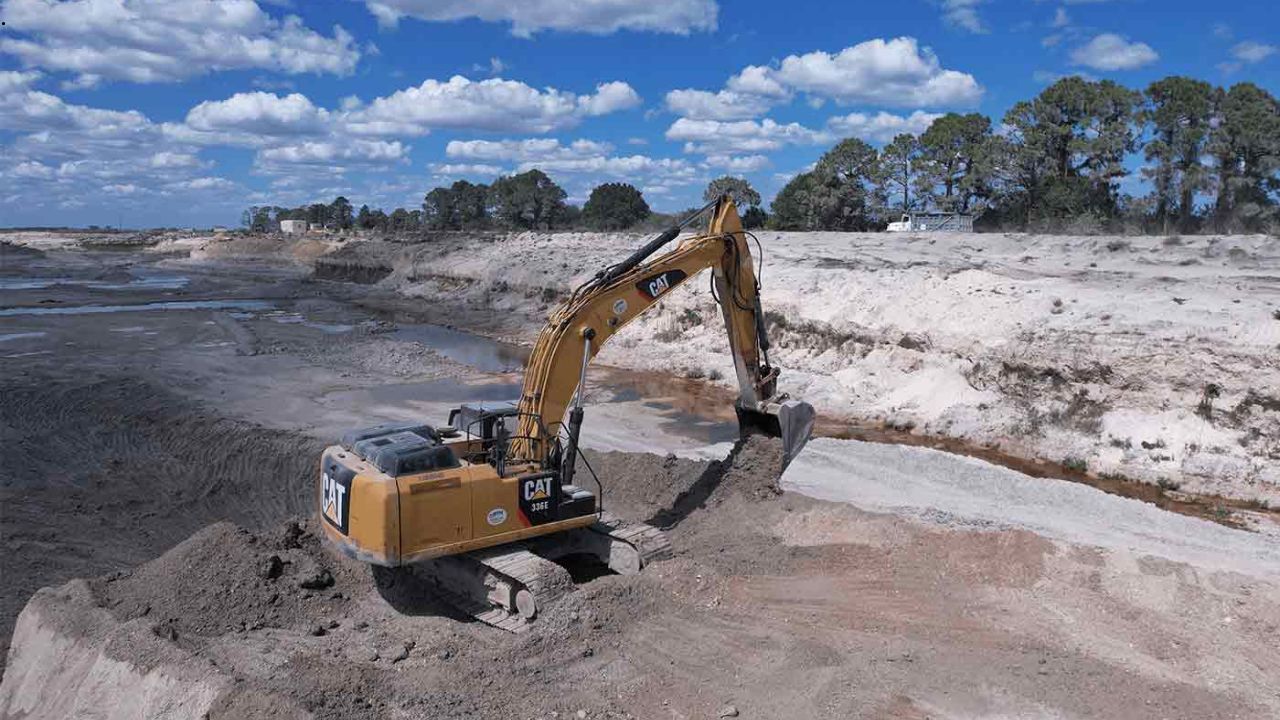

When most people think about supply chain disruptions in construction, their minds go to lumber, steel, and concrete. But one of the most essential and often overlooked categories feeling the pressure is fill dirt products. From residential foundation work and commercial site preparation to large-scale infrastructure development, fill dirt is a foundational material that entire projects depend on. When access to quality fill dirt products becomes restricted or unpredictable, the ripple effects can stall timelines, inflate budgets, and create complications that extend far beyond the jobsite.
Across the country, contractors, developers, and property owners are encountering a tightening supply of reliable fill dirt products at a time when demand has never been higher. Understanding the forces behind this shift is critical for anyone planning a project that requires earthwork, grading, or land preparation.
Table of Contents
A Demand Surge Driven by Multiple Sectors
The construction industry has experienced a sustained period of elevated activity driven by several converging forces. Federal infrastructure spending has poured billions into highway, bridge, and utility projects requiring massive quantities of earthen materials. Residential construction continues at a strong pace as housing demand outpaces existing inventory. Commercial and industrial development, including the rapid expansion of data centers and logistics hubs, has added yet another layer of pressure.
All of these projects share a common requirement: significant volumes of fill dirt products for grading, compaction, drainage, and structural support. When this many sectors compete for the same finite supply simultaneously, availability tightens and lead times stretch. What was once a commodity sourced on short notice has become a resource that increasingly requires advance planning, relationship management, and strategic sourcing.
Transportation Bottlenecks Are Compounding the Problem
Fill dirt products are heavy, bulky, and expensive to move. Unlike manufactured materials that can be shipped efficiently across long distances, dirt is inherently local. The cost of transporting it beyond a short radius can quickly exceed the cost of the material itself, which means most buyers depend on suppliers within a tight geographic area.
This local dependency becomes a vulnerability when transportation networks are strained. Elevated diesel fuel costs have pushed hauling expenses higher across the board. An ongoing shortage of qualified truck drivers continues to limit the number of loads delivered daily. Equipment availability for loading and placing materials has also tightened, and planning for logistics, including sourcing auto parts, has become a key part of keeping projects on track.
The result is that even when fill dirt products are physically available at a source location, getting those materials to the jobsite on schedule and within budget has become a more complex and less predictable process.
Quarry and Pit Closures Are Reducing Local Supply
One of the less visible but highly impactful factors affecting fill dirt products availability is the ongoing closure of local quarries, borrow pits, and excavation sites. In many regions, urban and suburban expansion has encroached on land previously used for material extraction. Zoning changes, environmental regulations, and community opposition have made it increasingly difficult to open new sites or continue operating existing ones.
As local sources go offline, remaining suppliers face greater demand pressure, which drives up prices and extends delivery timelines. Contractors who previously had multiple sourcing options within a short haul distance may now find themselves limited to one or two viable suppliers, reducing their negotiating leverage and increasing vulnerability to disruptions at any single source.
This is a structural trend, not a temporary fluctuation. The barriers to opening new extraction sites are growing higher, and the fill dirt products market is adjusting accordingly.
Regulatory Requirements Are Adding Complexity
The regulatory environment surrounding fill dirt products has become more stringent in many jurisdictions, particularly around soil quality, contamination screening, and environmental impact. Projects accepting fill materials are increasingly required to verify that soil meets specific standards for contaminants, organic content, and structural suitability. Documentation requirements for sourcing and testing have expanded, and projects often integrate sustainable commercial waste management practices to stay compliant and eco-friendly.
While these regulations serve an important purpose, they add time, cost, and complexity to procurement. Suppliers must invest in testing and certification. Buyers must verify materials meet applicable standards. And the pool of compliant, certified fill dirt products may be smaller than total available supply, further constraining options for contractors working under tight deadlines.
The Ripple Effect on Projects
When fill dirt products are delayed or unavailable, consequences extend across the entire project schedule. Earthwork and grading are typically among the first phases of construction. If that phase stalls waiting for materials, every subsequent milestone gets pushed back. Concrete pours, utility installations, foundation work, and building erection all depend on completed site preparation.
The financial impact can be substantial. Extended equipment rentals, idle labor costs, contractual penalties, and increased financing expenses all accumulate when a project stalls in its early stages. For large-scale projects requiring thousands of cubic yards, even modest per-unit price increases translate into meaningful budget impacts.
Quality Risks in a Tight Market
As availability tightens and urgency increases, one critical risk is a decline in material quality. When fill dirt products are scarce and deadlines press, there can be a temptation to accept materials from unverified sources or skip testing and screening steps.
This shortcut leads to serious problems. Fill dirt containing excessive organic matter, hidden debris, or contaminants can compromise compaction, create settlement issues, damage underground utilities, and trigger environmental remediation obligations. The cost of correcting these problems after the fact almost always exceeds the cost of sourcing quality material from the start.
In the current market, working with a reputable supplier who maintains consistent quality standards and provides proper documentation for their fill dirt products is more important than ever.
How to Stay Ahead of Supply Challenges
Despite the pressures affecting the fill dirt products market, there are practical steps buyers can take to minimize disruptions and protect their projects.
Plan early and communicate material needs as far in advance as possible. Suppliers with visibility into your timeline and volume requirements are better positioned to reserve inventory and coordinate deliveries. Waiting until the last minute in a tight market is a recipe for delays and premium pricing.
Build relationships with reliable local suppliers who have a proven track record of consistent quality and dependable delivery. In a constrained market, established relationships often make the difference between receiving materials on time and being placed at the back of the line.
Verify material quality before it arrives on your jobsite. Request testing data, ask about the source location, and confirm that fill dirt products meet your project specifications. A few minutes of due diligence upfront can prevent weeks of costly remediation later.
Stay informed about local regulatory requirements and ensure your procurement process is fully compliant. As enforcement tightens, the risk of penalties for using non-compliant materials is growing.
Consider locking in pricing and availability through supply agreements for larger projects with extended timelines. Securing your fill dirt supply early protects your budget against price increases and your schedule against shortfalls.
Partner with Earth Depot for Reliable Fill Dirt Products
In a market defined by uncertainty, having a trusted supplier makes all the difference. At Earth Depot, we understand that your project depends on getting the right fill dirt products, in the right quantities, at the right time. Our team works closely with contractors, developers, and property owners to provide consistent, high-quality fill materials backed by reliable delivery and transparent communication.
Whether you are preparing a residential lot, grading a commercial site, or sourcing materials for a large-scale project, Earth Depot has the inventory, equipment, and expertise to keep your work moving forward. We monitor supply conditions closely and work proactively with our customers to plan ahead, anticipate needs, and avoid the disruptions affecting so many projects across the industry.
Don’t let supply chain challenges put your next project at risk. Reach out to Earth Depot today to discuss your fill dirt products needs and discover why so many construction professionals count on us as their trusted source for quality earthen materials.