
When industries need parts that fit perfectly and last for years, they turn to precision machining and metal fabrication. These are not just shop floor processes. They are the foundation of how modern equipment gets built, repaired, and kept running. Companies like CT Products have built a strong name by offering reliable Machine and Fabrication Shop Services to industries that cannot afford errors. From mining to aerospace-related work, their team uses advanced equipment and proven methods to deliver high-quality parts and components with consistency.
So, what does this kind of work actually involve? And why do so many industries depend on it? Let us break it down in simple terms.
Table of Contents
What Is Precision Machining?
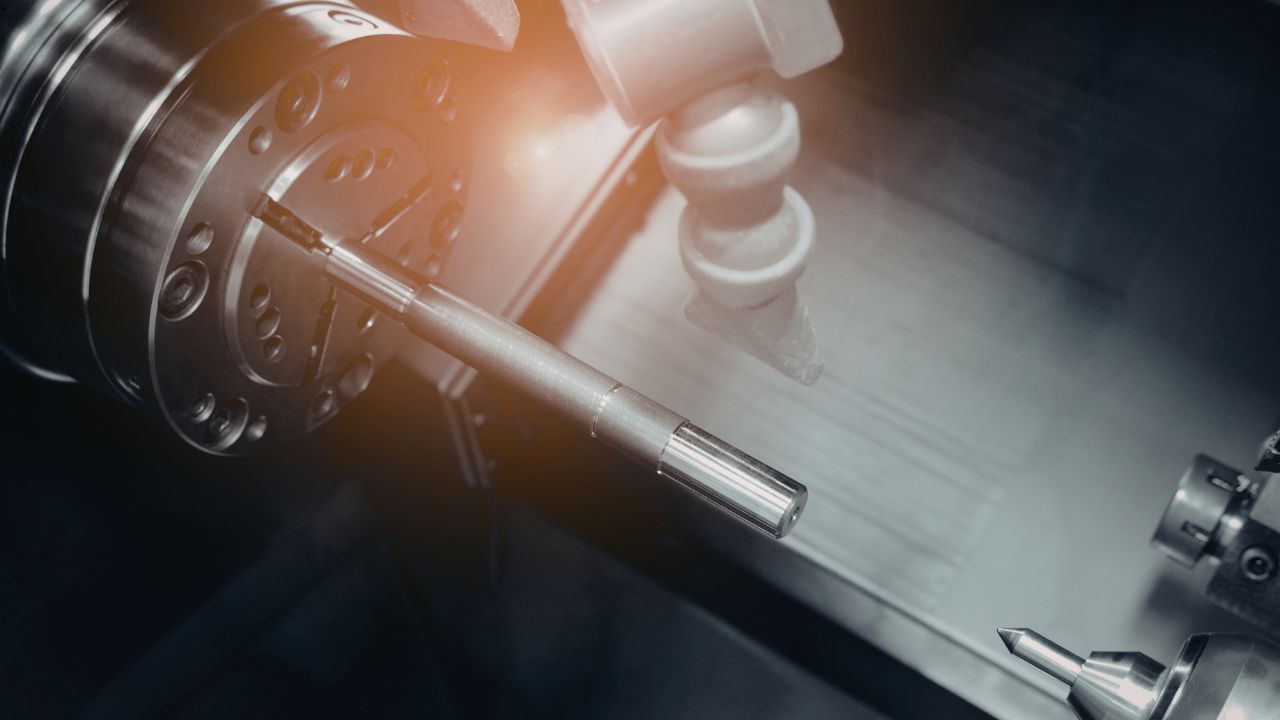
Precision machining is the process of cutting, shaping, and finishing metal to very tight measurements. The goal is to produce a part that matches exact specifications. Even a small error can cause a component to fail. So, every cut and every measurement has to be right.
Machinists use tools like lathes, mills, and CNC machines to do this work. Learn more about precision machining and metal fabrication. CNC stands for Computer Numerical Control. These machines follow digital instructions to make cuts with high accuracy. Because of this, shops can produce the same part over and over with little variation.
Precision machining is used to make things like:
- Shafts, bushings, and bearing housings
- Custom bolts, flanges, and fittings
- Gears, pulleys, and drive components
- Specialty brackets and structural parts
Each of these parts needs to meet tight tolerances. That means the measurements must stay within a very small range, often just a fraction of a millimeter.
What Is Metal Fabrication?
Metal fabrication is a broader process. It involves cutting, bending, welding, and assembling metal parts into finished products or structures. While machining focuses on shaping a single piece, fabrication often brings multiple pieces together.
Fabricators work with raw materials like steel plate, tubing, and bar stock. They use cutting tools, press brakes, and welding equipment to build everything from simple brackets to large structural frames. The work requires both skill and planning. A good fabricator understands how metal behaves under heat, stress, and load.
Together, machining and fabrication cover almost every need a manufacturer or industrial operation might have. That is why many shops offer both services under one roof.
Industries That Rely on These Services
Precision machining and metal fabrication support a wide range of industries. Each one has its own set of demands, but they all share one need: reliable, accurate, and durable parts.
Industrial Manufacturing: Factories need custom components to keep their lines running. When a part wears out or breaks, downtime costs money. So, manufacturers need a shop that can produce replacement parts quickly and accurately.
Mining and Heavy Equipment: Mining operations put extreme stress on equipment. Parts must be tough enough to handle vibration, impact, and harsh conditions. Furthermore, they need to fit correctly the first time. A poor-fitting component in a mining machine can lead to serious damage or safety issues.
Steel Production: Steel mills use large, complex machinery. Many of the components inside these machines are custom-made. Therefore, when a part fails, it often needs to be machined from scratch. Speed and precision are both important here.
Warehousing and Conveyor Systems: Conveyor systems keep goods moving in warehouses and distribution centers. These systems use rollers, shafts, sprockets, and frames that wear down over time. As a result, regular replacement of these parts is part of normal operations. A reliable machine shop can keep these systems running without long delays.
Oil and Energy: The oil and energy sector uses heavy equipment in demanding environments. Parts must handle high pressure, temperature changes, and constant use. In addition, many components need to meet safety standards. Precision machining ensures these parts perform as expected.
Aerospace-Related Applications: Aerospace work demands the highest level of accuracy. Even small errors can have big consequences. Components must meet strict standards for weight, strength, and fit. Shops that work on aerospace-related parts must have the right equipment and a strong quality control process.
Why Quality Matters So Much
In all of these industries, the quality of a machined or fabricated part directly affects performance. A shaft that is slightly out of round will cause vibration. A weld that is too thin will crack under load. A bracket that does not fit will cause delays on the job site.
This is why working with a trusted shop makes a real difference. Shops that invest in good equipment and skilled workers can hold tight tolerances, meet deadlines, and stand behind their work. Moreover, they can often offer helpful input on design or material selection, which can save time and money in the long run.
What to Look for in a Machine Shop
Not all machine shops are the same. When choosing one for your project, there are a few things worth considering.
- Equipment: Does the shop have CNC machines, lathes, mills, and welding stations? Modern equipment makes a big difference in accuracy and speed.
- Experience: Has the shop worked in your industry before? Familiarity with industry standards and common challenges matters.
- Capacity: Can the shop handle your volume? Some shops focus on small, one-off jobs. Others can manage larger production runs.
- Turnaround: How quickly can they deliver? In many industries, waiting too long for a part means lost production time.
- Quality Control: Does the shop inspect their work? A good shop checks parts before they ship.
CT Products, for example, checks all these boxes. Their team handles both Machine and Fabrication Shop Services, which means customers can get machined components and fabricated assemblies from one place. That simplifies the process and reduces delays.
The Value of a Full-Service Shop
There is a clear advantage to working with a shop that handles both machining and fabrication. Instead of coordinating between two vendors, you deal with one team. That team understands your full project, not just one piece of it. Communication is easier. Timelines are more predictable. And the finished product tends to come together more smoothly.
For industries like mining, steel production, and warehousing, this kind of one-stop service is especially useful. Jobs often involve both machined components and welded structures. Having one shop handle both saves time and reduces the chance of fit issues between parts.
Final Thoughts
Precision machining and metal fabrication are essential to how modern industry operates. They support everything from warehouse conveyor lines to energy infrastructure. The parts these shops produce may not always be visible, but they are always working behind the scenes.
Whether you need a single replacement part or a full run of custom components, choosing the right shop matters. Look for experience, good equipment, and a team that takes quality seriously. Companies like CT Products have built their reputation by delivering exactly that through dependable Machine and Fabrication Shop Services — one accurate, durable part at a time.