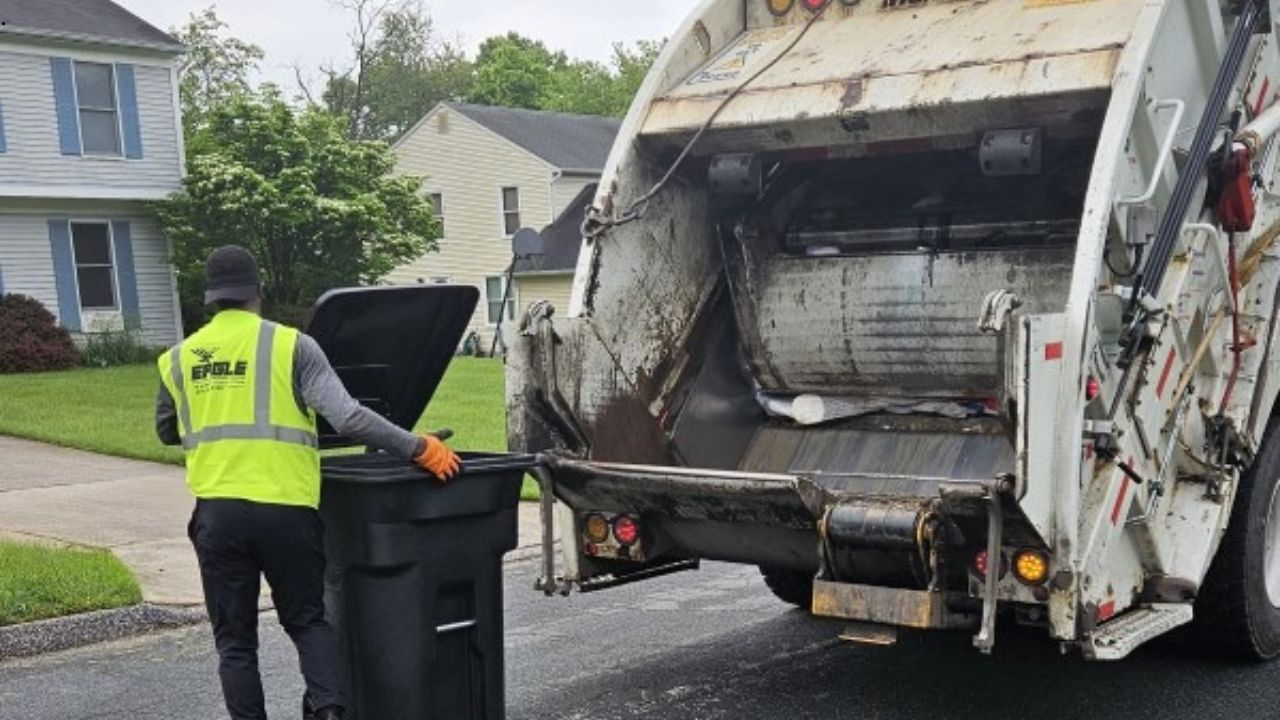

The regulatory landscape governing how businesses handle, dispose of, and report their waste is undergoing a significant transformation. The Environmental Protection Agency (EPA) has been steadily expanding its oversight of commercial waste streams, introducing stricter requirements around hazardous waste classification, recycling accountability, organic waste diversion, and emissions reporting from disposal facilities. For businesses of all sizes, these changes are not distant policy discussions. They are operational realities that are directly influencing how commercial waste management services are structured, priced, and delivered across the country.
Companies that fail to understand and adapt to these regulatory shifts risk more than just fines. They face reputational damage, operational disruptions, and the loss of competitive standing in an economy that increasingly values environmental accountability. Here is a closer look at the key regulatory developments reshaping commercial waste management services and what businesses need to do to stay ahead.
Table of Contents
Stricter Hazardous Waste Classification Is Expanding Compliance Obligations
One of the most consequential areas of regulatory change involves how the EPA classifies and regulates hazardous waste. Recent updates to the Resource Conservation and Recovery Act (RCRA) framework have tightened the criteria for what qualifies as hazardous waste, bringing materials that were previously unregulated or loosely monitored under stricter federal oversight.
For many businesses, this means that waste streams previously handled through standard commercial disposal channels may now require specialized handling, documentation, and disposal procedures. Industries such as manufacturing, automotive services, healthcare, and even certain retail sectors are discovering that materials they routinely discarded are now subject to more rigorous regulatory requirements.
The impact on commercial waste management services is direct. Providers must offer more sophisticated sorting, handling, and disposal capabilities to help their clients remain compliant. Businesses that continue using outdated waste practices without adjusting to the new classifications are exposing themselves to penalty assessments that have grown substantially in recent enforcement cycles. The EPA has made it clear that ignorance of updated classifications is not an acceptable defense, making it essential for every business to work with a commercial waste management services provider that stays current on regulatory developments.
Organic Waste Diversion Requirements Are Gaining Federal Momentum
While several states have already enacted their own organic waste diversion mandates, the EPA has been signaling a broader federal push to reduce the volume of organic materials entering landfills. Food waste, yard waste, and other compostable materials account for a significant percentage of the commercial waste stream, and their decomposition in landfills is a major source of methane emissions, a potent greenhouse gas.
Recent EPA initiatives have focused on setting ambitious national targets for food waste reduction and encouraging businesses to adopt diversion strategies including composting, anaerobic digestion, and donation programs. Many businesses are now exploring sustainable waste management strategies to handle organic waste effectively while staying compliant with evolving federal and state guidelines. Implementing these approaches early can reduce future operational disruptions and regulatory risks.
For businesses in the food service, hospitality, grocery, and institutional sectors, these trends are particularly significant. Commercial waste management services providers are responding by expanding their organic waste collection and processing capabilities, offering dedicated streams for compostable materials, and helping clients implement source separation programs that meet both current and anticipated regulatory requirements.
Companies that get ahead of these requirements now will be better positioned to absorb future mandates without the operational disruption that comes with last-minute compliance scrambles.
Recycling Accountability and Contamination Standards Are Tightening
For years, many businesses treated recycling as a simple checkbox. Materials were placed in a recycling container, picked up by a hauler, and assumed to be processed appropriately. That assumption is no longer sufficient. The EPA has been working alongside state regulators to strengthen accountability standards across the recycling supply chain, with a particular focus on contamination rates and the actual outcomes of collected recyclable materials.
New guidance emphasizes that businesses generating recyclable waste have a responsibility to ensure that their materials are properly sorted and free of contamination before entering the recycling stream. Loads with excessive contamination, such as food residue on cardboard, mixed plastics in paper streams, or non-recyclable items in recycling containers, are increasingly being rejected, rerouted to landfills, or subjected to surcharges.
This shift is pushing commercial waste management services providers to offer more robust education, training, and monitoring programs for their business clients. Contamination audits, improved signage and container systems, and regular reporting on diversion rates are becoming standard components of a comprehensive commercial waste management services relationship. Businesses that invest in cleaner recycling practices not only reduce their regulatory risk but often lower their overall disposal costs by keeping contaminated loads out of penalty territory.
Emissions Reporting and Climate Accountability Are Reaching the Waste Sector
The EPA’s broader climate agenda is extending into the waste management sector in ways that will affect businesses indirectly but meaningfully. New and proposed rules around methane emissions from landfills, greenhouse gas reporting from waste processing facilities, and lifecycle emissions accounting for disposed materials are all contributing to a regulatory environment that treats waste disposal as a measurable contributor to a company’s environmental footprint.
For businesses that are subject to ESG reporting requirements, sustainability commitments, or investor pressure around environmental performance, these developments add a new dimension to how they evaluate their commercial waste management services. It is no longer enough to simply have waste removed from the premises. Companies are increasingly expected to demonstrate where their waste goes, how it is processed, and what emissions are associated with its disposal.
Commercial waste management services providers that offer transparent tracking, detailed reporting, and verifiable diversion metrics are becoming preferred partners for businesses that need to account for their waste-related environmental impact. This trend is particularly strong among larger enterprises and publicly traded companies, but it is rapidly filtering down to mid-sized and smaller businesses as supply chain sustainability requirements cascade through vendor networks.
Enforcement Is Becoming More Aggressive and Data-Driven
Alongside the expansion of regulatory requirements, the EPA has been investing in more sophisticated enforcement capabilities. Data analytics, satellite monitoring of landfill emissions, cross-referencing of waste manifests with facility records, and increased coordination with state environmental agencies are all making it harder for noncompliant businesses to avoid detection.
Penalty structures have also been updated, with maximum fine amounts adjusted upward to reflect inflation and the growing priority placed on environmental enforcement. For businesses that generate significant waste volumes or handle materials with hazardous characteristics, the financial exposure from a single enforcement action can be substantial.
This enforcement posture reinforces the importance of working with a commercial waste management services provider that maintains rigorous compliance protocols, proper documentation, and transparent chain-of-custody tracking for all waste materials. When regulators come looking, the businesses that fare best are the ones that can produce clear, complete records showing that their waste was handled in full accordance with applicable regulations from generation through final disposal.
What Businesses Should Be Doing Right Now
The regulatory changes reshaping commercial waste management services are not a future concern. They are actively influencing compliance obligations, cost structures, and operational requirements today. Businesses that take a proactive approach will be far better positioned than those that wait for an enforcement notice to prompt action.
Start by conducting a thorough audit of your current waste streams. Identify every material your business generates, how it is currently being handled, and whether your disposal practices align with the latest regulatory requirements. Pay particular attention to materials that may have been reclassified under updated hazardous waste rules and organic waste streams that may be subject to diversion mandates in your jurisdiction.
Review your relationship with your current waste services provider. Ensure they are equipped to meet your compliance needs, provide accurate and detailed reporting, and adapt to regulatory changes as they occur. If your provider is not keeping pace with the evolving landscape, it may be time to explore alternatives.
Invest in employee training around proper waste sorting and disposal practices. Many compliance failures originate at the point of generation, where materials are incorrectly sorted or placed in the wrong waste stream. A small investment in education can prevent costly contamination penalties and improve your overall diversion performance.
Finally, integrate waste management into your broader business planning and sustainability strategy. Companies looking to stay ahead should adopt proven waste management strategies that integrate compliance, efficiency, and sustainability. Taking a structured approach ensures both regulatory alignment and long-term cost savings.
Partner with ETS for Reliable Commercial Waste Management Services
Navigating the evolving regulatory landscape requires more than a hauler with a truck. It demands a knowledgeable partner who understands the compliance requirements affecting your industry and can deliver commercial waste management services that keep your business protected, efficient, and ahead of the curve.
At Eagle Transfer Service, we work directly with businesses to develop waste management solutions that are fully aligned with current federal, state, and local regulations. From waste stream auditing and compliant disposal to recycling optimization and detailed reporting, our team provides the hands-on expertise and reliable service that today’s regulatory environment demands.
If your business is ready to strengthen its waste management compliance and reduce the risks associated with an increasingly complex regulatory landscape, reach out to ETS today. Let us help you build a commercial waste management services strategy that protects your operations, your reputation, and your bottom line.