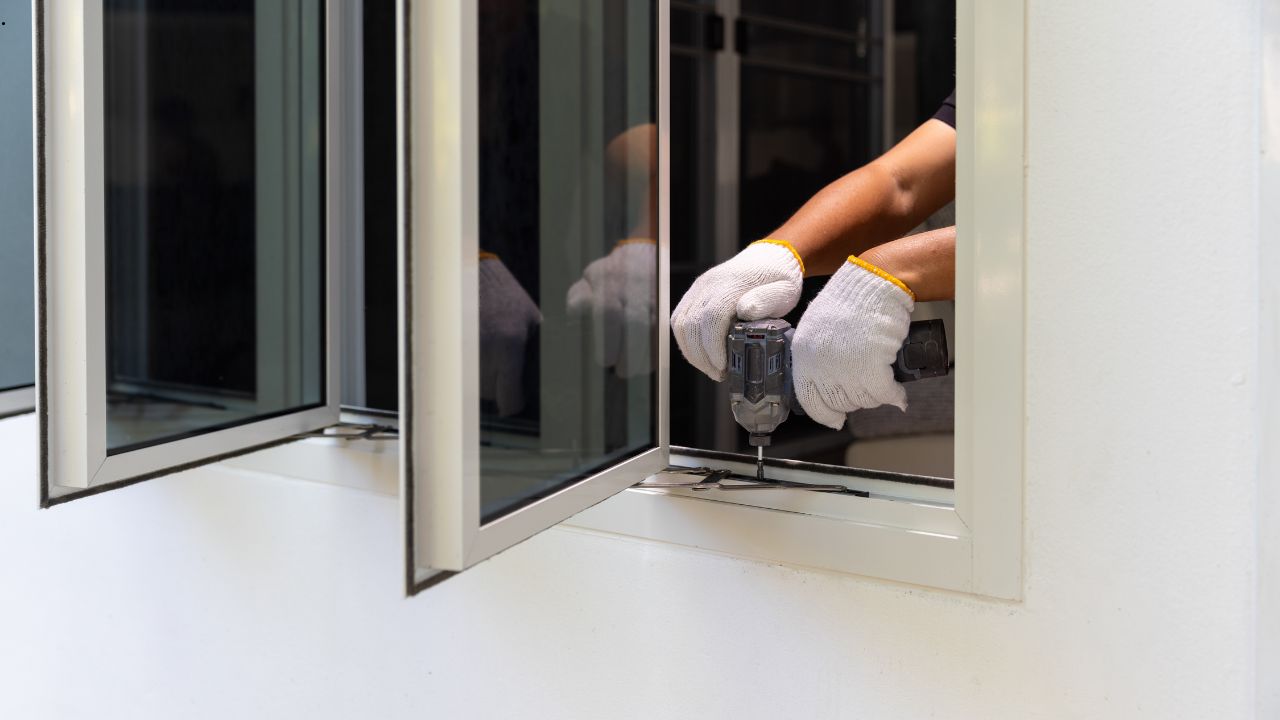

Upgrading the windows in your home not only revamps its visual appeal but also presents an opportunity to improve energy efficiency and embrace sustainable living. Today’s innovative windows represent a shift toward greener construction, offering homeowners new materials and features that minimize environmental impact. If you’re considering new West Chester windows, you’ll find several eco-friendly options designed for today’s energy-conscious world.
Window replacements offer more than style—discover their benefits for your home. They incorporate materials and technologies that conserve resources, reduce energy bills, and improve indoor air quality. Whether you want to lower your home’s carbon footprint or simply enjoy a cozier living space, learning about the latest innovations can guide your next upgrade.
Not only are modern windows designed to be kind to the planet, but they also integrate seamlessly with a variety of home styles and climates. By exploring frames and glass technologies, homeowners can ensure their replacements are both eco-conscious and long-lasting.
Window replacements can significantly reduce your home’s overall energy consumption, according to research by the U.S. Department of Energy. The right window choices can have a real, measurable impact on your home’s comfort and sustainability.
Table of Contents
Sustainable Materials for Window Frames
One of the first decisions you will face is choosing the window frame material that aligns with your environmental priorities. Different frame choices offer distinct advantages in terms of durability, insulation, and sustainability.
- Fiberglass: Manufactured from glass fibers and resin, fiberglass frames are sturdy, long-lasting, and insulate well against both heat and cold. Their recyclability further reduces waste, making them a responsible option for eco-minded renovators.
- Recycled Aluminum: Using aluminum produced from recycled metals drastically reduces the energy required for manufacturing new frames. Besides being lightweight and corrosion-resistant, recycled aluminum keeps usable materials out of landfills.
- Sustainably Sourced Wood: Wooden frames sourced from forests certified by reputable organizations such as the Forest Stewardship Council offer outstanding insulation. They blend beauty and green building principles while supporting responsible forestry practices.
- uPVC (Unplasticized Polyvinyl Chloride): Unlike standard PVC, uPVC is more rigid and does not need plasticizers. This makes it an efficient insulator and a lower-impact choice due to its long life and recyclability.
Energy-Efficient Glass Options
The performance of windows is significantly influenced by the glass type chosen, with modern eco-friendly designs emphasizing energy efficiency and comfort. Low-Emissivity (Low-E) glass features a nearly invisible metallic layer that reflects heat, helping maintain stable indoor temperatures year-round. Double or triple glazing involves adding extra panes of glass with air or an inert gas between them to enhance insulation, keep conditioned air indoors, and reduce noise from the outside. Additionally, warm-edge spacers are used between the glass panes to minimize heat transfer around the edges, thus improving thermal performance without compromising durability.
Innovative Smart Glass Technologies
Technology is transforming the window industry with innovative glass solutions that adapt to environmental conditions, enhancing comfort and convenience. Electrochromic glass, which changes tint when an electric current is applied, can significantly reduce cooling costs by up to 40% and eliminate the need for heavy curtains that obstruct views. On the other hand, thermochromic glass responds to temperature changes autonomously, providing a passive heat-blocking capability that helps maintain a consistent interior climate while reducing maintenance requirements.
Benefits of Eco-Friendly Windows
Switching to environmentally friendly windows offers numerous benefits beyond just reduced energy consumption. Key advantages include significant energy savings from improved insulation, which reduces the load on heating and cooling systems and lowers utility bills over time. Additionally, this choice has a positive environmental impact by reducing energy use, thereby decreasing greenhouse gas emissions and conserving natural resources. It also enhances indoor comfort, as high-performance glass and frames help maintain stable temperatures and minimize external noise. Finally, eco-friendly upgrades can increase property value, making homes more appealing to potential buyers.
Choosing the Right Eco-Friendly Windows
For the best results, consult the top window companies to guide your home upgrade. Next, research window frame materials by comparing their insulation value, durability, and environmental certifications. Evaluate different glass options, focusing on features that enhance efficiency and comfort for your local conditions. Finally, consult with professionals who can offer personalized guidance and ensure a high-quality installation that meets your home’s requirements.
Conclusion
Adopting eco-friendly window replacement solutions is a practical step towards a more energy-efficient, comfortable, and valuable home. With the array of sustainable materials, advanced glazing, and smart glass technologies available today, homeowners have the tools to make a meaningful difference for their families and the environment alike.