
Key Takeaways
- Learn to spot and fix the most frequent plumbing issues before they worsen.
- Master easy repair techniques suitable for minor plumbing mishaps.
- Understand situations when consulting a professional is crucial for safety and effectiveness.
Keeping your home’s plumbing system in top condition is essential for preventing serious damage and minimizing repair expenses. Most homeowners will inevitably face a few plumbing problems over the years, but understanding how to handle minor issues can save you a lot of stress. This guide introduces the most common plumbing repairs every homeowner should recognize and address promptly to prevent major headaches. For issues that can impact your home’s safety, such as gas line problems, always rely on professional help like gas line repair McKeesport, PA.
Knowing what to look for and following basic plumbing tips helps keep your system running smoothly and reduces unnecessary service calls. Early action protects your home and cuts utility costs. It’s also important to recognize when to call a professional, as some issues can worsen quickly, leading to water damage, mold, or structural problems. Plumbing repairs vary from tightening fixtures to diagnosing complex pipe issues. Most homes face common problems, so basic knowledge is essential.
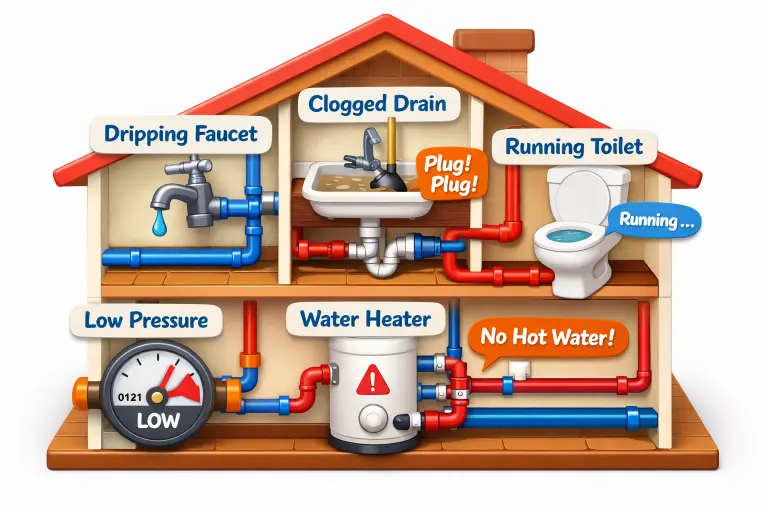
Table of Contents
Leaky Faucets
A dripping faucet may seem minor, but it is one of the most wasteful plumbing issues in any home. A steady drip can add up to hundreds of gallons of wasted water every year, unnecessarily increasing your bills. Most leaks come from worn-out washers, O-rings, or faulty seals within the tap. Homeowners often resolve the problem by turning off water to the fixture, disassembling the faucet, and replacing the worn part. If a new washer does not stop the leak, another internal component may be damaged, and a professional inspection is advised.
Clogged Drains
Kitchen and bathroom drains are common sites for clogs caused by soap scum, hair, grease, or food debris. In many cases, using a plunger along with a few simple tips can clear minor blockages without much effort. Chemical drain cleaners are generally not advised, as they can damage your pipes over time. If plunging does not clear the stoppage, it is wise to contact a plumber to investigate further. Chronic drain issues may indicate more serious problems, such as tree root invasion or misaligned plumbing, which should be professionally addressed.
Running Toilets
A continuously running toilet wastes significant water and drives up utility costs. The usual culprit is a faulty flapper valve inside the tank, which can decay over time. Replacing this inexpensive part is a straightforward project for most homeowners. If replacing the flapper does not solve the problem, there may be issues with the float, fill valve, or other internal tank mechanisms. In such cases, further troubleshooting or professional help is required.
Low Water Pressure
Low water pressure in your sinks or showers can make daily chores frustrating. In most instances, mineral deposits or sediment clogging the aerators or showerheads are to blame. Cleaning or replacing these fixtures usually restores water flow. However, if the problem is not localized and affects the entire house, it may signal pipe corrosion, an undiscovered leak, or municipal water supply issues. A comprehensive assessment by a plumber will help pinpoint the problem. For more insights on identifying water pressure problems, visit Bob Vila’s troubleshooting guide.
Water Heater Issues
Your water heater works behind the scenes to provide comfort year-round. When you notice a lack of hot water, unusual rumbling noises, or leaking around the tank base, it is time to take action. Sediment collecting in the tank is the root cause of most problems, which is why annual flushing is highly recommended. If your unit is older or repeatedly requires repairs, a replacement may be the most cost-effective solution. Any issues with gas-powered water heaters should be handled by a qualified technician to ensure safety.
Burst Pipes
Burst pipes are often a wintertime emergency, causing extensive property damage if not immediately addressed. They generally burst due to freezing temperatures and subsequent water expansion. Prevent this by insulating pipes in vulnerable areas and maintaining adequate indoor heat during extreme cold. If you suspect a pipe has burst, shut off the main water supply and contact a plumber without delay to prevent further flooding or structural damage.
Sump Pump Failure
For homes with basements, sump pumps are essential for averting water damage and flooding. Regularly test the pump by adding water to the pit and observing if the activation mechanism and pump respond properly. Cleaning debris from the pit and ensuring the discharge line is clear are simple homeowner tasks. If the pump is not working, consider replacement or call a professional, especially before the heavy rains of spring or fall.
When to Call a Professional
While DIY and preventive care handle many plumbing issues, some problems require a licensed plumber. Persistent leaks, hidden blockages, water heater issues, and gas line problems need professional help to ensure safety and prevent costly damage. Call a pro when a job exceeds your comfort zone or public safety might be at risk. Knowing common repairs and your limits helps protect your home, save money, and keep your household safe.
Conclusion
Plumbing issues, whether minor or severe, can quickly impact your home’s comfort, efficiency, and safety if left unaddressed. From leaky faucets and clogged drains to water heater problems and burst pipes, understanding the causes and solutions empowers homeowners to take timely action. While many issues can be managed with basic maintenance and DIY fixes, recognizing when to call a professional is equally important to prevent further damage and costly repairs. By staying proactive with regular inspections and addressing problems early, homeowners can maintain a reliable plumbing system, conserve water, and protect their property for the long term.