
Plumbing problems never come at a good time. A leaking pipe, a slow drain, or no hot water can turn a normal day into a stressful one. The good news is that many common plumbing issues are easy to prevent. And when something does go wrong, knowing what to do first can save you time and money.
This guide covers simple, practical tips that every homeowner should keep in mind. You do not need to be an expert. You just need to know the basics.
Table of Contents
Know Where Your Main Water Shut-Off Is
This is the first thing every homeowner should learn. If a pipe bursts or a tap starts leaking badly, you need to stop the water fast. Your main shut-off valve controls all the water coming into your home.
Find it before there is a problem. It is usually located near the water meter, under the kitchen sink, or in a utility room. Once you find it, make sure it turns easily. Old valves can get stiff over time. Turn it off and on a few times each year to keep it working properly.
Also, tell everyone in your home where it is. If something goes wrong while you are not there, someone else needs to know what to do.
Deal With Blocked Drains Early
A slow drain is easy to ignore. Water still goes down, so it does not seem urgent. But slow drains are usually a sign that a blockage is building up. If you leave it too long, it gets worse.
Here are a few simple ways to prevent blocked drains:
- Pour boiling water down your kitchen sink once a week to break up grease
- Use a drain cover to catch hair in the shower
- Never pour cooking oil or fat down the sink
- Clean your drain stoppers regularly
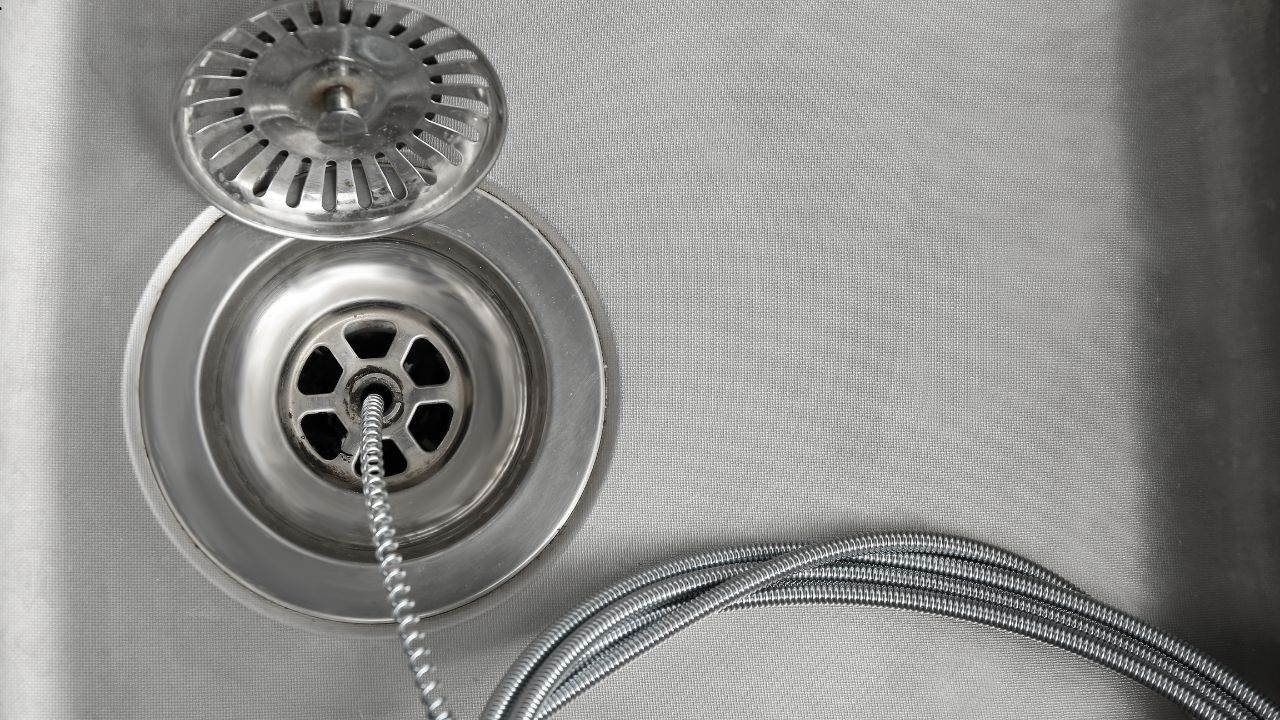
If the water is draining very slowly or not at all, try a plunger first. For tougher blockages, a drain snake can help clear things out without using harsh chemicals. Chemical drain cleaners work sometimes, but they can damage older pipes if used too often.
If none of that works, it is time to call a professional. Recurring blocked drains can point to a bigger problem deeper in your pipes, like a root intrusion or a collapsed section of pipe. A plumber can inspect the drain with a camera and find the real cause.
Do Not Ignore Small Leaks
A small drip from a tap or a tiny leak under the sink might not seem like a big deal. But even a slow drip wastes a surprising amount of water over time. It also adds up on your water bill.
More importantly, leaks can cause water damage to cabinetry, walls, and flooring. That kind of damage is expensive to fix. So when you spot a leak, deal with it quickly—waiting can lead to bigger damage, which is why many homeowners choose to call a plumber early.
Check under sinks every couple of months. Look for damp patches, staining, or any sign of moisture. Feel along exposed pipes for any soft spots or rust. These are early warning signs that something needs attention.
Replacing a worn washer or tightening a fitting is usually a simple job. But if the leak is coming from inside a wall or from a pipe you cannot reach easily, call a professional before the damage spreads.
Look After Your Hot Water System
Your hot water system works hard every day. Most homeowners do not think about it until it stops working. By then, the damage is often already done.
To keep your gas hot water system running well:
- Flush the tank once a year to remove sediment buildup
- Check the pressure relief valve every six to twelve months
- Look for any rust or corrosion around the unit
- Watch out for unusual sounds like banging or rumbling
Sediment builds up at the bottom of hot water tanks over time. This makes the system work harder and use more energy. Regular flushing keeps it running efficiently and extends its life.
If your gas hot water system is over ten years old, it is worth getting it inspected. Older units can develop small gas leaks or inefficient burners. A licensed plumber can check the system and let you know if it needs a repair or a replacement. Catching issues early is always cheaper than waiting for a full breakdown.
Know When to Call an Emergency Plumber
Some plumbing problems can wait until the next business day. Others cannot. Knowing the difference helps you stay calm and act quickly when it matters.
Call an emergency plumber straight away if you notice:
- A burst pipe with water flowing freely
- Sewage backing up into your home
- A gas smell near your hot water system or any gas appliance
- No water pressure throughout the entire house
- A toilet that keeps overflowing and cannot be stopped
These are not situations where waiting makes sense. Water damage spreads fast. A burst pipe can soak walls, floors, and ceilings within minutes. The longer you wait, the more it costs to fix.
In the meantime, shut off the main water valve and, if there is a gas smell, leave the house and call your gas provider. Do not try to fix a gas issue yourself.
A reliable emergency plumber will arrive quickly, assess the situation, and stop the damage from getting worse. It is worth having the number of a trusted local plumber saved in your phone before you need it.
Simple Habits Make a Big Difference
Good plumbing care does not take much time. It is mostly about paying attention and acting early. Check under your sinks now and then. Keep your drains clear. Know where your shut-off valve is. And do not put off small repairs.
These small habits protect your home and help you avoid large, unexpected repair bills—following a few simple plumbing tips can make things even easier. When something is beyond a simple fix, do not hesitate to call a professional. The right plumber will sort it out quickly and make sure the job is done properly.
Your home’s plumbing works quietly in the background every day. A little care goes a long way in keeping it that way.