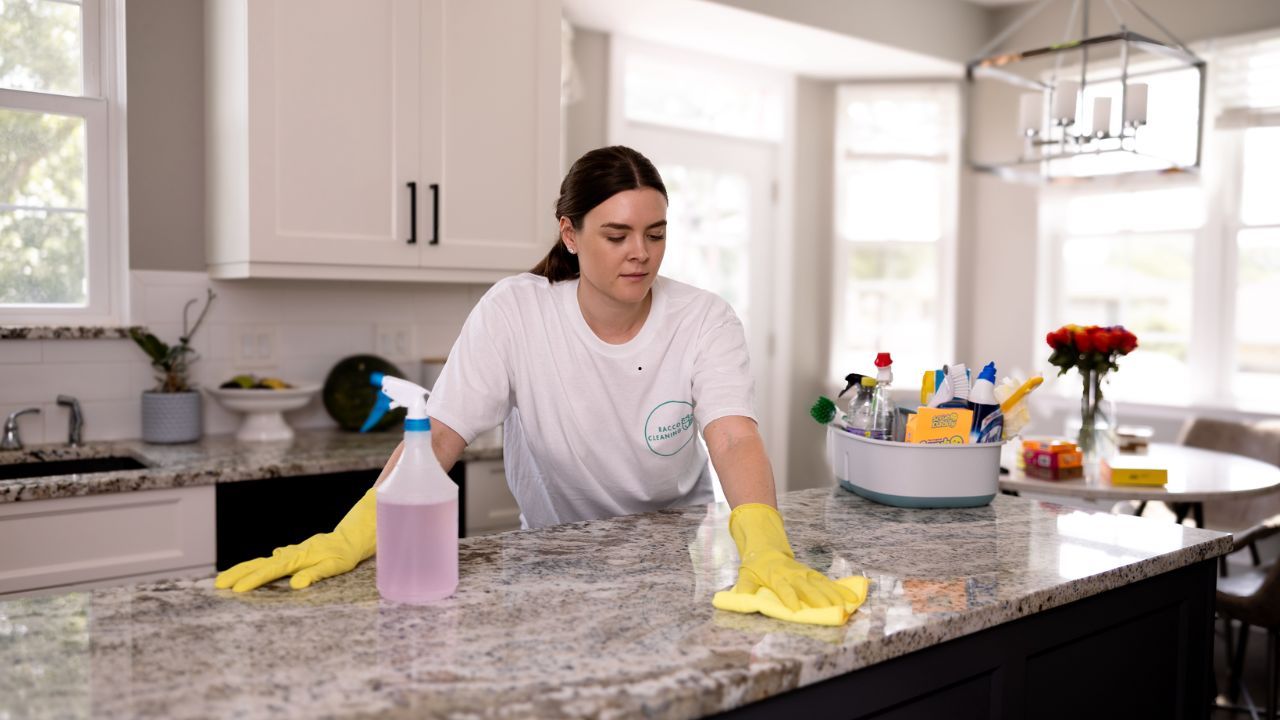
Cleaning has always been part of everyday life – not optional. Just something that quietly eats up time. A few minutes here, an hour there. Over a year, it adds up to time you’d rather spend elsewhere.
What’s changing now isn’t some sci-fi future where machines do everything for you – it’s quieter than that. Cleaning is slowly fading into the background. Less effort. Fewer decisions. Better timing. And part of that shift has nothing to do with what you see – it’s about what you breathe.
Table of Contents
Cleaning without thinking about it
The shift isn’t about speed or power – it’s about consistency. A robot vacuum running a few times a week keeps things… stable. Floors just don’t get dirty enough to bother you.
But the bigger change is that we stopped babysitting these devices. Docking stations handle the messy parts now – they wash the mopping pads with hot water, dry them so they don’t smell, and empty the dustbin on their own. You might go a month without touching the machine. That alone changes the feel of it – it’s no longer a chore. More like background maintenance you barely notice.
It’s also where professional cleaners like Raccoon start to make more sense – as part of regular upkeep, not just a last resort.
Clean floors don’t mean clean air
Here’s the part that feels counterintuitive. You vacuum – the floor looks clean. Done, right? Not really. A standard vacuum can push fine dust back into the air while it’s running. So visually, things improve, but the air might get worse for a while.
That’s where filtration matters. A proper HEPA system traps what you don’t see – pollen, pet dander, microscopic dust. The stuff that actually affects how you feel.
Some devices go further – they use angled lasers to highlight dust you’d normally miss. You stop cleaning based on what looks dirty and start reacting to what’s actually there. Even disinfection is shifting – less chemicals, more physics. High-pressure steam breaks down grime and kills bacteria with heat. No residue. No smell.
Fewer products, more automation
Cleaning products are getting simpler – you don’t need five bottles anymore. One or two solutions cover most surfaces. But the real shift is how cleaning happens. We’re moving away from fixed routines.
You cook – air quality drops – the purifier reacts. You open a window – dust levels spike – ventilation adjusts.
You can see this in local options like home cleaning in Naperville, where regular visits help keep spaces fresh and comfortable without the need for big, time-consuming cleanups.
No schedule. No planning – the system reacts before it becomes a problem. Devices quietly handle small things early. Most of the time, you don’t even notice – and that’s kind of the point.
Habits still matter more than tech
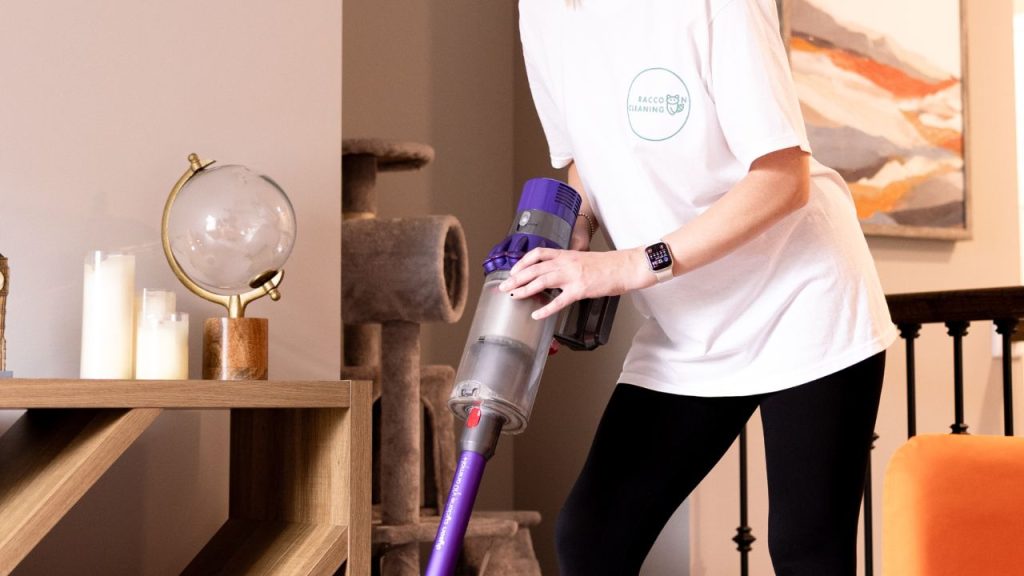
Even with smart devices, good cleaning habits still matter, especially when you know how to get the most from your cleaning service.
In homes that stay clean, it’s rarely about discipline – it’s about timing. Small things happen earlier, before they turn into something bigger.
Even materials are starting to help. Kitchen panels and bathroom fixtures now use coatings that repel water and grease.
Some surfaces even react to light – breaking down bacteria or repelling dust over time. When your home is built to stay clean, mess doesn’t get much chance to build up.
Fewer deep cleans, more stability
Deep cleaning hasn’t disappeared – but it’s less frequent.
Regular upkeep also makes daily maintenance easier, especially when following simple flooring care practices at home. Kitchens don’t hit that breaking point. Bathrooms don’t need a full reset every time.
This isn’t new. Offices and hotels have worked like this for years – regular upkeep beats fixing a mess later. Now the same logic is slowly moving into everyday homes.
The same applies to services like carpet cleaning in Naperville, where ongoing care helps carpets stay clean, soft, and well-maintained over time.
The real benefit is time
In the end, this isn’t really about cleaner floors – it’s about time. When cleaning becomes lighter and predictable, it stops taking over your schedule. You don’t block hours for it. It fits into the day.
There’s also a small social shift. When tasks are visible through apps or automation, it’s easier to see who’s doing what – and that changes how responsibilities are shared.
Time saved isn’t just personal – it affects how things are divided.
What the future actually looks like
So the future of cleaning doesn’t look like perfection. It looks more balanced.
Devices working quietly in the background. Systems that maintain themselves. Air that’s actually clean, not just surfaces that look clean.
Fewer steps. Fewer decisions.
At some point, you stop thinking about it – not because everything is perfect, but because it no longer demands your attention.