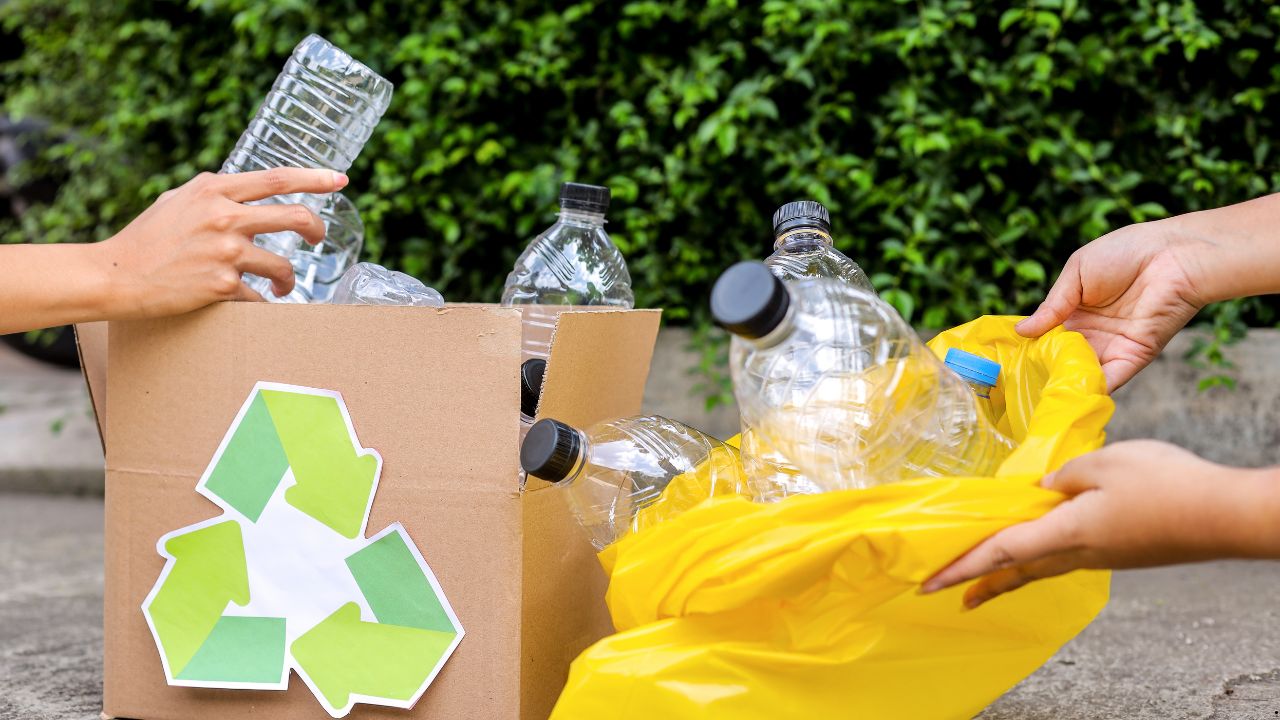
Managing waste is a critical part of running any business. With growing awareness of environmental issues and sustainability, commercial waste management has become more than just disposing of rubbish—it’s about creating efficient systems that minimize waste, recycle where possible, and reduce costs. Whether you run an office, a school, a restaurant, or a hospital, implementing the right strategies can make a big difference.
In this article, we’ll explore key strategies that businesses can use to manage their commercial waste effectively, keeping operations smooth and sustainable.
Table of Contents
1. Understand Your Waste Stream
The first step in effective commercial waste management is understanding the type and volume of waste your business produces. Different industries generate different kinds of waste. For example:
- Restaurants produce a large amount of organic waste and packaging materials.
- Offices mostly generate paper, cardboard, and electronic waste.
- Hospitals and aged care facilities may have medical or hazardous waste.
By identifying your waste streams, you can develop a plan to separate, reduce, and recycle materials efficiently. Conducting a simple waste audit is a practical way to see exactly what is going to landfill and what can be reused or recycled.
2. Implement Waste Segregation
Segregating waste at the source is one of the simplest yet most effective strategies in commercial waste management. Clearly labeled bins for recyclables, general waste, and organics encourage staff to dispose of items correctly. This approach:
- Reduces contamination in recycling streams
- Makes recycling more cost-effective
- Supports your sustainability goals
Training employees and providing easy-to-understand signage can improve participation in your waste segregation program.
3. Prioritize Recycling and Reuse
Recycling is a key component of modern commercial waste management. Many materials, such as paper, cardboard, plastics, and metals, can be recycled instead of going to landfill. Additionally, consider reusing items when possible. For instance, office supplies like folders, binders, and packaging materials can often be reused multiple times before disposal.
Some businesses also benefit from partnering with specialized recycling services that handle electronics, batteries, or other hard-to-recycle materials. By prioritizing recycling and reuse, your business can reduce environmental impact and support sustainable waste management practices.
4. Choose the Right Waste Management Partner
An experienced waste management provider can simplify commercial waste management for your business. A good partner will:
- Assess your business needs and help you decide whether to hire or buy waste equipment, developing a tailored waste plan accordingly.
- Offer convenient and cost-effective collection schedules
- Provide access to recycling facilities for a range of materials
- Help monitor progress toward waste reduction goals
Working with experts ensures compliance with local regulations and industry standards, reducing the risk of fines and improving overall efficiency.
5. Reduce Waste at the Source
Prevention is better than cure when it comes to commercial waste management. Reducing waste before it is generated saves money and minimizes environmental impact. Some strategies include:
- Using digital documents instead of printing paper unnecessarily
- Purchasing products with minimal packaging
- Implementing reusable containers for food and office supplies
- Optimizing inventory to prevent expired or obsolete items
Small changes in daily operations can lead to significant reductions in waste over time.
6. Monitor and Improve Your Waste Management Plan
Effective commercial waste management is an ongoing process. Regularly reviewing your waste management strategy ensures that it remains efficient and sustainable. Keep track of metrics such as waste volumes, recycling rates, and cost savings. Use this data to make adjustments, such as:
- Increasing recycling efforts in areas with high waste production
- Updating training programs for staff
- Exploring new technologies for waste reduction
Continuous improvement helps your business stay environmentally responsible while reducing operational costs.
Conclusion
Implementing strong strategies for commercial waste management is essential for any business looking to operate sustainably and efficiently. From understanding your waste streams to recycling, reusing, and monitoring your waste plan, every step contributes to a cleaner environment and a more cost-effective operation.
By adopting these strategies, businesses in Australia can take meaningful steps toward reducing waste, complying with regulations, and achieving their sustainability goals. Good commercial waste management is not just about disposing of rubbish—it’s about creating a smarter, greener approach to business operations.