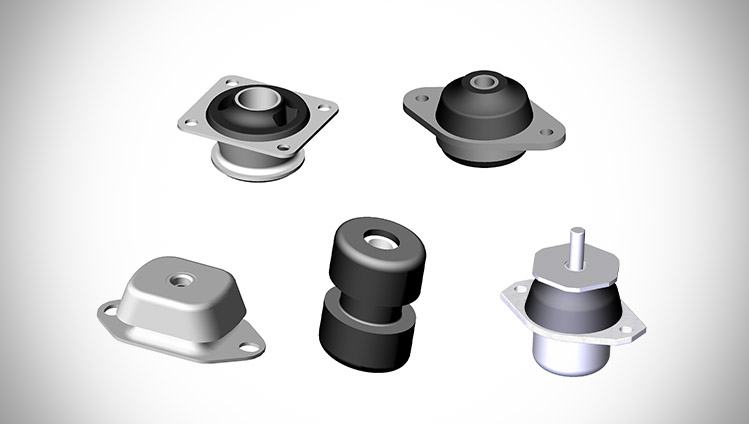

When it comes to ensuring smooth operation and longevity of your marine engine, the importance of selecting the right engine mount cannot be overstated. These mounts serve as critical components that isolate engine vibrations, absorb shocks, and maintain proper alignment. Without quality engine mounts made from appropriate materials, the performance of your vessel can be compromised, leading to excessive noise, wear and tear, and even potential mechanical failure.
The choice of materials in marine engine mount systems plays a vital role in handling the harsh conditions that marine environments present. Saltwater corrosion, temperature fluctuations, and continuous vibrations are all factors that make the right material selection crucial.
If you’re looking to explore or purchase quality engine mount options suitable for marine applications, you can check out the engine mount collection from Parts4Engines. They offer a range of products designed for durability and reliable performance, crafted with materials that withstand marine-specific challenges.
Table of Contents
Why Material Selection Is Crucial for Marine Engine Mounts
Unlike engine mounts used in cars or industrial settings, marine engine mounts must deal with water, salt, humidity, and unpredictable temperature variations. The wrong material choice can lead to early degradation, reducing the mount’s ability to cushion vibrations and absorb engine movements. Ultimately, this may cause misalignment, damage to the hull, or even engine dislocation.
Materials commonly used in marine engine mounts include:
- Natural Rubber
- Neoprene
- Polyurethane
- Metal Alloys (usually steel or aluminum components)
Each of these materials offers unique benefits and potential drawbacks depending on the specific marine application.
Rubber-Based Mounts: Flexible but Vulnerable
Natural rubber is frequently used due to its flexibility and shock-absorbing qualities. However, in a marine environment, natural rubber has its limitations. It degrades more quickly when exposed to oil, fuel, saltwater, and UV light. This makes rubber-based mounts suitable only for enclosed or semi-protected engine bays.
Neoprene, a synthetic rubber, improves upon natural rubber’s weaknesses. It offers better resistance to oil and saltwater and maintains its integrity in a broader range of temperatures. For boaters who prioritize both performance and moderate longevity, neoprene is a practical mid-tier choice.
Polyurethane: The Durable Performer
Polyurethane mounts are rising in popularity among boaters for several good reasons. This material provides higher load-bearing capacity than rubber, making it ideal for heavier or high-torque marine engines. Polyurethane also boasts strong resistance to water, oils, and various chemicals—factors that make it a logical choice in many marine applications.
Its firmness, however, may not isolate vibrations as effectively as softer materials, which could result in more noise or feedback during engine operation. That trade-off should be evaluated based on the vessel’s usage—whether it’s a leisure craft or a high-performance marine engine.
Metal Components: Strength Meets Structure
Metal parts in marine engine mounts—typically aluminum or corrosion-resistant steel—offer necessary structural support. However, these must be treated or coated to avoid rust and corrosion. High-quality mounts will use marine-grade stainless steel or specially treated aluminum alloys to maintain integrity even after prolonged exposure to saltwater.
It’s important to ensure that any metal housing or support in your engine mount is built with marine durability in mind. This not only extends the lifespan of the mount but also prevents potentially costly maintenance issues down the line.
Factors to Consider Beyond Material
While material selection is crucial, there are other important considerations to keep in mind when choosing a marine engine mount:
- Load capacity: Ensure the mount can handle your engine’s weight and torque.
- Vibration isolation: Softer materials reduce vibration better but may wear out faster.
- Mounting configuration: Some engines require specific types of mounts (e.g., front-rear or side-mounted).
- Maintenance and inspection: Consider how easy it is to check or replace mounts as part of routine servicing.
Conclusion
Choosing the right material for your marine engine mount is more than just a technical detail—it’s a safeguard for your boat’s performance, comfort, and structural integrity. Whether you’re operating a commercial vessel, a high-speed craft, or a leisure boat, the materials used in your engine mounts should be resistant to corrosion, strong under pressure, and capable of handling the rigors of marine use.
By investing in high-quality mounts designed for marine environments, you can extend your engine’s life, minimize vibrations, and enjoy smoother, safer journeys on the water. Always prioritize quality, especially when selecting something as critical as the mount that holds your engine in place.

