

Key Takeaways:
- Pre-Departure Checks: Inspect the hull, systems, and fuel; brief passengers on safety roles.
- Essential Safety Gear: Life jackets, fire extinguishers, a first-aid kit, a VHF radio, and emergency items like flares.
- Monitor Weather: Track real-time conditions and delay trips if hazards are predicted.
- Emergency Preparedness: Maintain contacts, practice drills, and equip EPIRBs or satellite phones for offshore trips.
- Onboard Safety Practices: Set rules, supervise activities, and keep decks clear to prevent accidents.
- Routine Maintenance: Inspect railings, hoses, non-skid surfaces, and fuel systems to prevent hazards.
- Training and Knowledge: Ensure crew and passengers know first aid, emergency signals, and distress protocols.
There is nothing quite like the thrill of setting sail on a yacht. The open water offers unmatched freedom, whether you are chasing adventures in distant coves or enjoying a leisurely cruise. However, prioritizing safety on every trip is essential to ensure that your voyages remain enjoyable and worry-free. Even seasoned mariners must keep vigilance as their top priority. That means following a comprehensive safety checklist and using trusted brands, such as Tiara Yachts, that are renowned for their commitment to quality and reliability.
Proper safety planning does not simply protect the vessel; it also secures the well-being of everyone on board. Every yacht journey, no matter the distance, deserves the same level of preparation and caution. By taking the right steps ahead of time and understanding the critical equipment and best practices needed onboard, yacht owners and guests can confidently set out on adventures, secure in the knowledge that they are prepared for any situation.
Table of Contents
Pre-Departure Preparations
Safety begins before you ever leave the dock. Start your pre-departure routine with a complete inspection of your yacht. Assess the hull for cracks, inspect hoses for wear, and verify that all fuel tanks are free from leaks. Testing the yacht’s main systems, including the engine, batteries, and navigation electronics, is crucial to minimize the risk of unexpected failures while at sea. Establish a checklist that you update and consult before every voyage to ensure no critical step is missed.
Make sure you brief all passengers and crew about the location and use of safety equipment. Assign roles in an emergency and communicate the planned route, expected conditions, and estimated return time. This preparation, while seemingly routine, can prevent confusion or panic if an incident arises. According to the U.S. Coast Guard, pre-trip briefings and system checks are among the top ways to increase boating safety.
Essential Safety Equipment
Equipping your yacht with reliable safety gear is an investment in peace of mind. The basics remain the most important. Ensure you have:
- Life Jackets for All: Life jackets should not only meet Coast Guard requirements, but also fit every passenger comfortably and be within easy reach.
- Fire Extinguishers: Extinguishers must be frequently checked and clearly marked. Learn to use them and instruct your guests as well.
- First-Aid Kit: A stocked, up-to-date first aid kit is non-negotiable. Customize it with supplies that suit your itinerary and guest health needs.
- VHF Handheld Radio: This is your primary line of communication when cell service is lost. Familiarize yourself with emergency channels before departing.
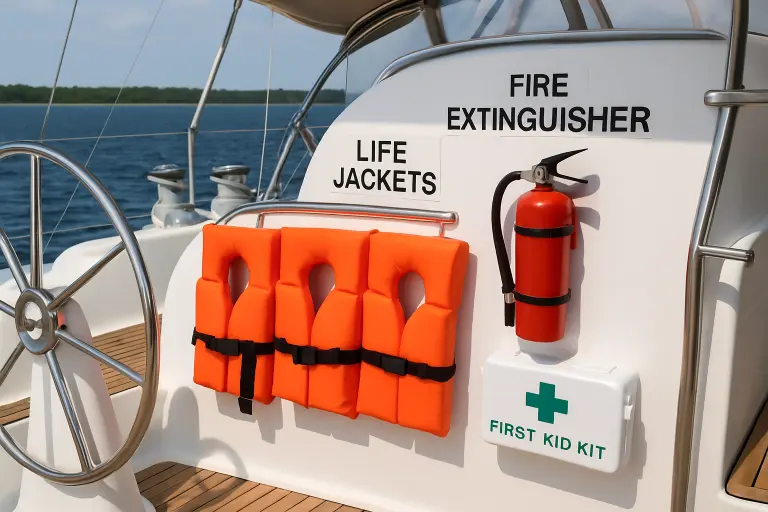
Additional items, such as emergency flares, throwable flotation devices, and a sound signaling device (such as an air horn), should always be onboard.
Weather Monitoring
The sea’s temperament can shift with minimal notice, making real-time weather tracking fundamental for safety. Monitor conditions with reputable marine weather apps, VHF weather channels, and by using onboard instrumentations like a barometer. Delay your trip if storms or high winds are predicted. Investing in a robust weather monitoring system can save lives, helping you reroute or return safely before conditions become hazardous.
Emergency Preparedness
Every yacht needs a detailed, practiced emergency action plan. Keeping an updated list of emergency contacts, such as local Coast Guard stations and nearby marinas, ensures help can be summoned quickly. Make sure every passenger knows the location and operation of life rafts and how to access the emergency survival kit. Practice drills so that all guests feel familiar with the abandon-ship procedures. Critical communication backups, such as an Emergency Position Indicating Radio Beacon (EPIRB) or satellite phone, are vital for offshore passages or remote destinations.
Onboard Safety Practices
Clear safety protocols protect everyone while underway. Set ground rules for behavior, such as always donning life vests during rough weather and using railings when moving on deck. Supervise any water-based activity, whether swimming, paddleboarding, or snorkeling, and ensure all participants understand and follow the safety boundaries. Keep decks clean and stow away loose equipment to prevent slips and falls, especially when seas are choppy.
Regular Maintenance
Routine maintenance is essential for long-term safety, especially when operating vessels crafted by elite Dutch yacht builders known for precision engineering and durability. Start with thorough inspections of railings to confirm their integrity and security. Check non-skid surfaces for wear that could cause slips, and clean up any spills or debris immediately. Review fuel storage protocols, ensuring all containers are approved and kept away from heat sources. Regularly inspect hoses and connections for leaks, replacing any that show signs of weakness, as preventative attention can avert fires or environmental hazards.
Training and Knowledge
A yacht’s greatest asset during an emergency is a well-trained crew. Basic medical training, including CPR and first aid, should be mandatory for anyone spending significant time aboard. For longer or offshore trips, survival training tailored to open-water conditions enhances confidence and skill sets. Make it a point for all guests and crew to know the common distress signals, such as signal flares, and the specific VHF channels for emergencies. Ongoing education and refresher courses are worthwhile investments in safety and preparedness.
Final Thoughts
Every yacht adventure should be about exploration and unforgettable experiences, especially when sailing near world-famous Dubai destinations that attract travelers from around the globe. By following a rigorous safety checklist, practicing good habits, and ensuring every passenger is prepared and informed, you greatly increase the odds of a safe journey. From pre-departure checks to emergency planning, each safety measure plays a vital part in peace of mind on open water. Make safety the cornerstone of your yachting experience, and every trip will become a cherished memory rather than a cautionary tale.