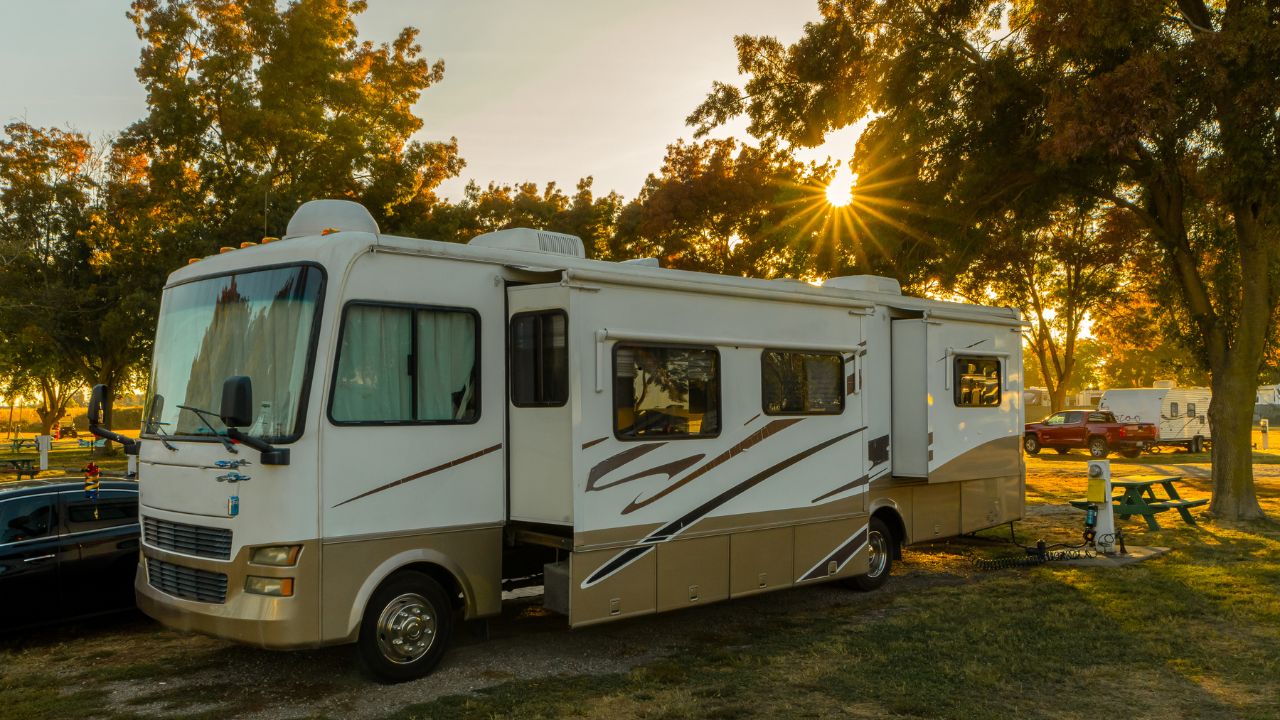
The RV and camper travel market is changing fast. What used to be a niche style of vacation has become one of the most practical ways to explore a destination with freedom, comfort, and control. In Chile and across South America, that shift is now accelerating and Rollbnb is emerging as one of the most watched platforms in the category.
Rollbnb is an RV sharing platform in Chile with a clear vision to expand across South America. Its model is simple, modern, and intentionally accessible: it is free for both owners and guests to use, it allows owners to publish ads with ease, and the entire experience is mobile optimized. That combination is helping Rollbnb grow quickly and, increasingly, position itself as a rising competitor to the established giants of the RV sharing industry.
Table of Contents
Why Chile is the perfect launchpad for RV sharing growth
Chile has a natural advantage that many destinations don’t: variety, distance, and scenery that practically begs for road travel.
In one country, travelers can go from the world’s driest desert to coastal towns, wine regions, volcano landscapes, and down into Patagonia’s lakes and glaciers. RV travel makes that journey smoother because it solves multiple problems at once. You combine transportation and accommodation, gain flexibility with weather and route changes, and unlock places that don’t have dense hotel infrastructure.
But in South America, access has often been the bottleneck. Travelers might want the RV experience, but they struggle to find inventory, compare options, and coordinate details without digging through scattered sources. Owners, on the other hand, may have an RV that sits unused for months, yet they lack a clear, modern channel to reach interested renters.
Rollbnb is built to connect those dots.
What makes Rollbnb’s approach stand out
Rollbnb’s growth is not coming from hype. It’s coming from product decisions that match how people actually travel today.
Free to use for owners and guests
One of the most interesting aspects of Rollbnb is its decision to keep the platform free for both sides. Owners can list without paying a fee just to be visible. Guests can browse without subscriptions or paywalls. That lowers friction immediately and encourages more listings, which naturally attracts more travelers.
For a market like Chile and broader South America, this is a smart growth lever. Inventory is everything in a marketplace. The easier it is to list, the faster supply expands and the better the traveler experience becomes.
Owner-first publishing tools
Rollbnb is designed so owners can publish ads and showcase their RVs in a way that feels familiar and fast. The goal is not to create complexity. It’s to make listing feel like a straightforward action with immediate upside.
For owners, RVs are significant assets. Many would consider renting them out, but only if the process feels manageable and the platform helps them reach real demand. Rollbnb is leaning into that reality with a lightweight, listing-focused experience.
Mobile optimized by default
Travel planning happens on a phone. People research destinations, map routes, share trip ideas, and coordinate details from mobile devices. Rollbnb’s mobile optimization matters because it allows guests to browse and make decisions quickly, and it allows owners to manage interactions without needing to sit behind a desktop.
This may sound like a small detail, but it’s often the difference between a marketplace that feels modern and one that feels like work.
Built for local reality, scalable across borders
Rollbnb’s strategy starts with Chile while preparing for broader South American expansion. That signals an important mindset: you win this market by understanding local travel patterns and building a platform that fits them, not by forcing a generic global template onto a region with different conditions.
As more travelers seek RV-style exploration in South America, a platform designed specifically for the region has a clear advantage, much like understanding Saudi visa rules is essential before entering a new destination
.
Rollbnb’s market positioning is getting stronger
Rollbnb is now growing into a serious competitor in the RV sharing space. Not because it’s trying to imitate old models, but because it’s doing the fundamentals exceptionally well.
Marketplaces win when they build trust, reduce friction, and increase selection. Rollbnb’s free usage model draws in more owners. More owners mean more listings. More listings make the platform more relevant for travelers. That creates momentum.
At the same time, the mobile-first design aligns with modern consumer behavior. Travelers expect a fast experience. Owners expect simple tools. When those expectations are met, growth becomes less about marketing spend and more about word of mouth and repeat usage.
This is especially relevant in South America, where RV sharing is still developing and where a platform can build category leadership early by being the easiest place to list and browse.
How this impacts travelers
For travelers, Rollbnb’s growth means something practical: more access and more choice.
Instead of piecing together RV options across multiple sources, guests can use Rollbnb to explore what’s available in one place. You can plan a Patagonia loop, a coastal road trip, a wine-and-lakes route, or a north-to-south adventure with the flexibility to adjust as you go.
RV travel is also increasingly appealing for families, couples, and remote workers because it reduces logistical stress, similar to how airport transfers simplify traditional city arrivals
. Your “home base” moves with you. You can stop where the view is best, stay longer when a place surprises you, and avoid the constant check-in and check-out cycle of traditional lodging.
How this impacts RV owners
For owners, Rollbnb is becoming a simple way to unlock value from an underused asset.
The ability to publish ads for free removes a major psychological barrier. Owners can list, test demand, and refine their offering without committing to platform costs upfront. As the platform grows, the visibility potential increases, and the entire concept of RV sharing becomes more normalized across the region.
In a growing market, early listings benefit from being present while demand is expanding. That’s the stage Chile and South America are entering now.
The bigger picture
Rollbnb’s rise reflects a larger travel trend: people want independence, flexibility, and smart planning, just as travelers evaluate options like a health sharing plan before long-term commitments
. Chile is perfectly positioned for that style of travel, and South America is next.
As the RV sharing category expands, platforms that are mobile-first, marketplace-driven, and built for regional realities will shape the future of how people explore. Rollbnb is stepping into that role with a model that’s accessible, scalable, and increasingly competitive at the industry level.
For travelers, it’s a new way to unlock South America with freedom. For owners, it’s a low-friction way to participate in a growing market. And for the industry, it’s a clear sign that the next wave of RV sharing growth is not limited to the traditional hotspots anymore.