Japan is often described as a country of contrasts, but what truly sets it apart is how each region feels like a destination of its own. From snow-covered landscapes in the north to historic port cities in the south, every area offers a distinct atmosphere, cuisine, and cultural identity. For travelers considering a ทัวร์ญี่ปุ่น, understanding these regional differences can completely reshape the way you plan your journey.
Rather than seeing Japan as a single experience, it helps to view it as a collection of diverse worlds connected by remarkable efficiency.
Table of Contents
Tokyo and the Kanto Region: Energy and Precision
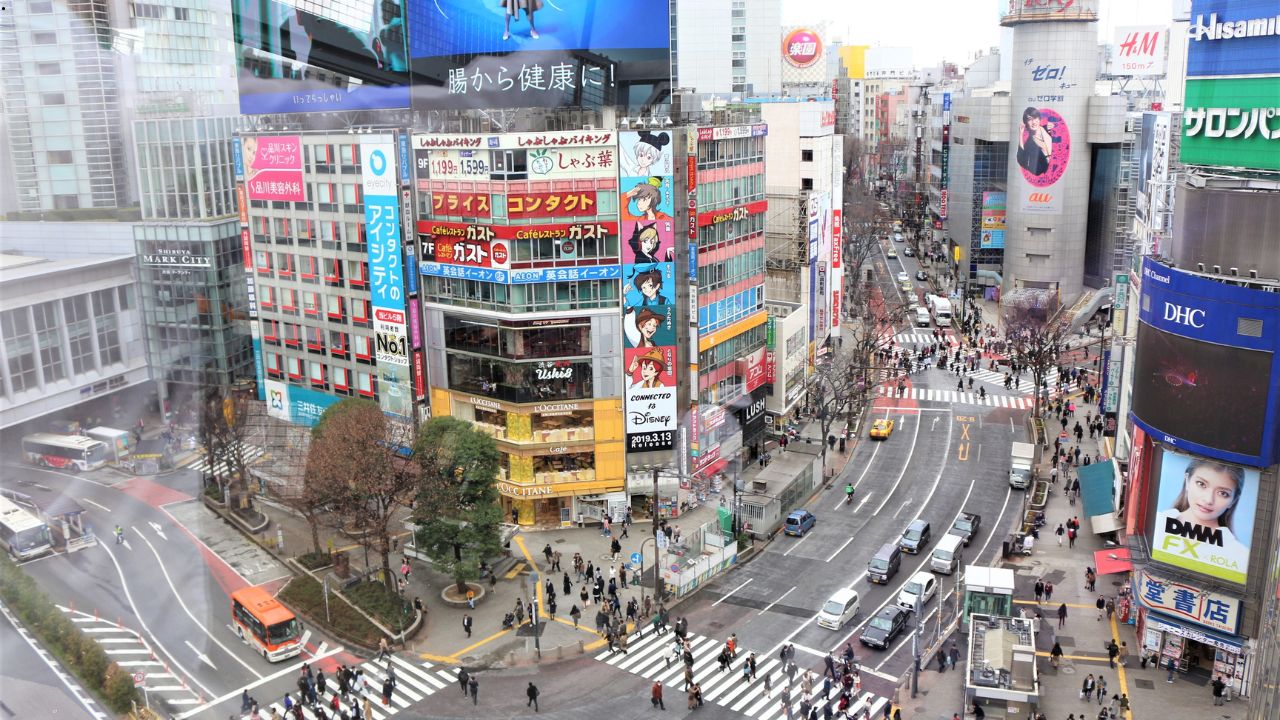
Tokyo is frequently the starting point for first-time visitors, and for good reason. As the capital city, it represents modern Japan at full speed. Districts like Shinjuku and Shibuya are defined by skyscrapers, fashion trends, and nonstop movement. Yet only minutes away, you can find peaceful corners such as Meiji Shrine or traditional streets in Asakusa.
Beyond Tokyo, the Kanto region offers scenic escapes. Hakone is known for its hot springs and views of Mount Fuji, while Nikko impresses visitors with ornate shrines surrounded by forested hills. This region is ideal for travelers who want a balance between city excitement and cultural landmarks.
Kansai: The Cultural Heart of Japan
If Tokyo represents the future, Kansai represents the past. Kyoto, once the imperial capital, is home to countless temples, shrines, and preserved wooden districts. Walking through Gion at dusk, with lanterns glowing softly along narrow streets, feels like stepping into another century.
Osaka, in contrast, is lively and informal. Known for its food culture, the city encourages visitors to indulge in local specialties such as takoyaki and okonomiyaki. Universal Studios Japan adds a modern entertainment layer, making Osaka especially appealing for families.
Nearby Nara offers a quieter experience, where deer roam freely around Todaiji Temple, home to a massive bronze Buddha statue. Kobe, meanwhile, combines harbor views with its famous premium beef and cosmopolitan charm.
Hokkaido: Wide Spaces and Winter Magic
In northern Japan, Hokkaido delivers a completely different atmosphere. Known for its open landscapes, fresh seafood, and powder snow, it attracts travelers seeking nature and seasonal beauty.
Sapporo hosts the renowned Snow Festival each winter, showcasing elaborate ice sculptures. Otaru’s canal area offers romantic evening walks, while hot spring resorts provide relaxation against snowy backdrops. In summer, flower fields bloom across rolling hills, creating vibrant scenery that contrasts sharply with winter’s white landscapes.
Kyushu: Warmth, Volcanic Landscapes, and Comfort Food
Kyushu, Japan’s southwestern island, feels warmer in both climate and character. Fukuoka is often described as a gateway city — accessible, friendly, and famous for its rich tonkotsu ramen. Street food stalls known as yatai line the streets at night, creating an inviting atmosphere for casual dining.
Further south, volcanic landscapes and hot spring towns define the scenery. Beppu and Yufuin are popular for their onsen experiences, while Kumamoto Castle stands as a symbol of regional pride and resilience.
Kyushu offers a slower pace, making it suitable for travelers who prefer fewer crowds and a deeper connection with local culture.
Chubu and the Japanese Alps: Tradition in the Mountains
Central Japan reveals yet another side of the country. The Chubu region is home to the Japanese Alps and historic villages such as Shirakawa-go, known for its steep thatched-roof houses designed to withstand heavy snowfall.
Nagoya serves as a practical base for exploring this mountainous region. Travelers drawn to scenic routes, snow walls, and preserved architecture often find this area particularly rewarding. It combines natural beauty with glimpses of rural traditions that have endured for generations.
Choosing the Right Experience
One of the advantages of exploring Japan is the ability to tailor your trip according to interests:
- Culture and temples: Kyoto, Nara
- Food and entertainment: Osaka, Fukuoka
- Snow and winter scenery: Hokkaido
- Hot springs and relaxation: Hakone, Beppu
- Modern city life: Tokyo
- Mountain landscapes and heritage villages: Chubu region
Because transportation is efficient and reliable, combining regions in a single trip is both realistic and convenient. For travelers seeking more inspiration for global journeys, check out this travel guide to explore Egypt.
Why Japan Continues to Captivate
Japan’s enduring popularity lies in its depth. You can visit multiple times and still discover something new. One trip may focus on cherry blossoms and city exploration; another might center around autumn foliage or snow festivals. Some travelers return specifically for regional cuisine, while others seek out hidden towns and lesser-known cultural sites.
The country’s infrastructure makes travel smooth, but its diversity keeps it endlessly interesting. Whether wandering through neon-lit districts or standing quietly in front of a centuries-old shrine, Japan creates moments that feel both dynamic and reflective.
Approaching Japan region by region allows travelers to appreciate how varied the country truly is. Instead of rushing between famous landmarks, understanding the character of each area helps transform a simple vacation into a thoughtfully planned journey shaped by culture, history, and landscape.