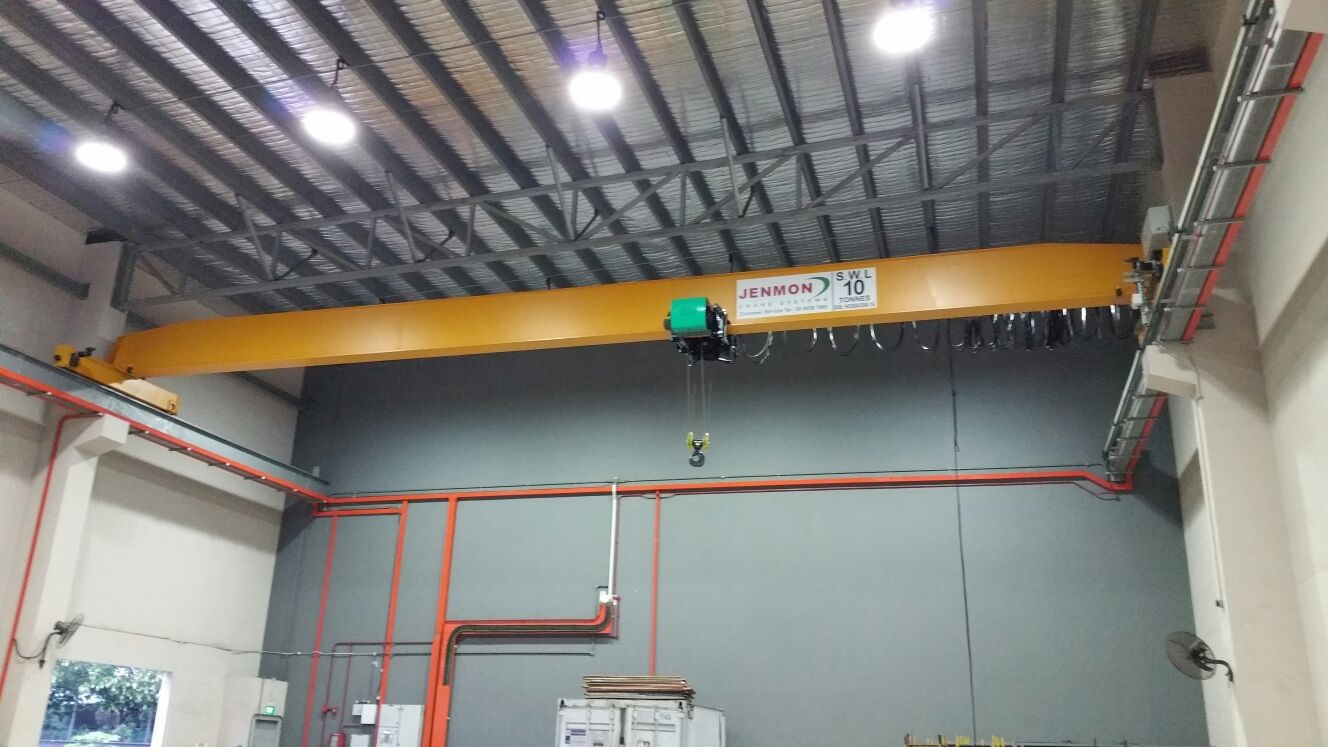

The selection of the appropriate lifting equipment can be a tremendous breakthrough in how easily and safely operations are carried out in any business. Hoists are useful when it comes to transporting heavy items, yet it is not always easy to choose a hoist chain or a wire rope hoist. Each type has its strengths, and it may take less time, money, and headaches to determine which type fits your needs.
Table of Contents
All About Hoist Chains and Wire Rope Hoists
Chain hoists are also known as hoist chains, and they operate on the principle of moving a load up and down with the help of strong metal chains. The reason they are popular is that they are not difficult to use, reliable, and do not require a large space. Wire rope hoists, on the other hand, utilise steel cable coiled on a drum to distribute heavier weights. The hoists tend to be faster and more continuous heavy-duty than chain hoists.
The initial step is to determine what each hoist is best suited to. Hoist chains are effective for short lifts and moderate weights. Hoists made of wire rope are used on heavy loads and are seen to shine when the load is bulky and the distance is longer. These are basic differences that help businesses select the appropriate equipment.
Pros and Cons of Each Hoist Type
Hoist Chain Advantages & Limitations
Chain hoists have a lot going for them. They’re generally less expensive upfront than wire rope hoists. They’re also durable and require minimal maintenance. You can use a chain hoist in tighter spaces where a wire rope hoist might not fit.
But chain hoists have limits. They typically lift slower than wire rope hoists and aren’t always ideal for very heavy loads. For operations that require fast or continuous lifting, chain hoists can slow productivity. Still, many small-to-medium operations get the job done efficiently.
Wire Rope Hoist Advantages & Limitations
Wire rope hoists handle heavy lifting with ease. They can move large loads quickly and are ideal for long lifts, such as those in warehouses or construction sites. They last a long time when properly maintained and are suited for continuous industrial use, especially when paired with essential industrial safety equipment in high-power environments.
On the downside, wire rope hoists cost more upfront. They can also take up more space, and maintenance can be a bit more complex. If the operation doesn’t require heavy lifting or long-distance lifts, the extra investment might not be necessary.
Load Capacity and Operational Requirements
Choosing the right hoist often comes down to load capacity. Chain hoists work well for light to medium loads, usually under a few tonnes. Wire rope hoists easily handle heavier loads and handle repeated lifting better.
Businesses also need to think about lifting height and speed. For short, controlled lifts, chain hoists are perfect. For higher lifts or faster work cycles, wire rope hoists perform better. Matching the hoist to the load ensures safety and efficiency, and just like proper safety preparation is essential before any major responsibility, planning ahead prevents costly mistakes.
Cost Considerations
Cost is always a factor. Chain hoists offer low upfront costs and low maintenance expenses. They’re ideal for businesses that don’t constantly lift heavy loads. Wire rope hoists require a bigger initial investment but last longer for heavy-duty work. Over time, the total cost may balance out, especially in operations that rely on frequent lifting.
Ideal Use Cases for Hoist Chains and Wire Rope Hoists
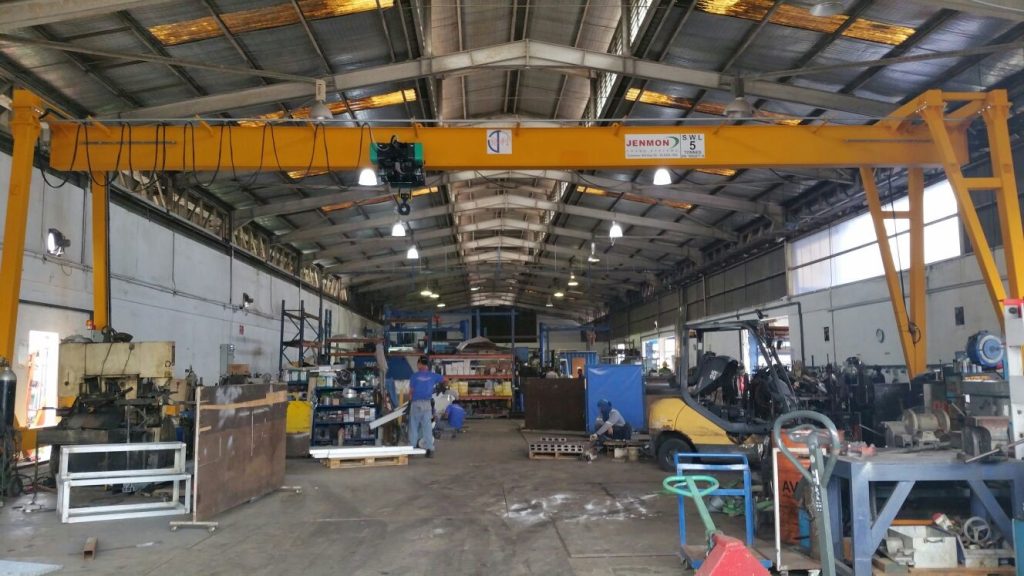
Choosing the right environment for each hoist type makes a big difference. Here are some examples:
- Construction sites – Wire rope hoists efficiently handle heavy building materials. Chain hoists work for smaller lifts on site.
- Manufacturing facilities – Chain hoists are great for assembly lines and moderate lifting. Wire rope hoists manage bulk materials and large machinery.
- Warehouses and logistics operations – Wire rope hoists speed up the lifting of heavy pallets or containers. Chain hoists handle light cargo efficiently.
- Outdoor and heavy-duty environments – Wire rope hoists are more durable in harsh conditions. Chain hoists can handle sheltered or semi-outdoor operations.
By considering the type of work and the weight involved, businesses can match the hoist to the environment and avoid operational mismatches.
Final Thoughts
Picking between a hoist chain and a wire rope hoist comes down to understanding the load, the lifting height, and how often the equipment will be used. Chain hoists offer affordability, reliability, and ease of use for small to medium operations. Wire rope hoists shine when heavy loads and fast, repeated lifts are required.
For businesses unsure which to choose, checking out trusted suppliers can help. Jenmon offers a wide range of quality products for both chain and wire rope hoists. You can explore Jenmon Chain Hoists and Jenmon Wire Rope Hoists to find a solution that fits your operation.
Choosing the right hoist doesn’t just make lifting easier—it keeps workers safe, improves efficiency, and reduces downtime. By weighing pros, cons, costs, and use cases, any operation can find the best.