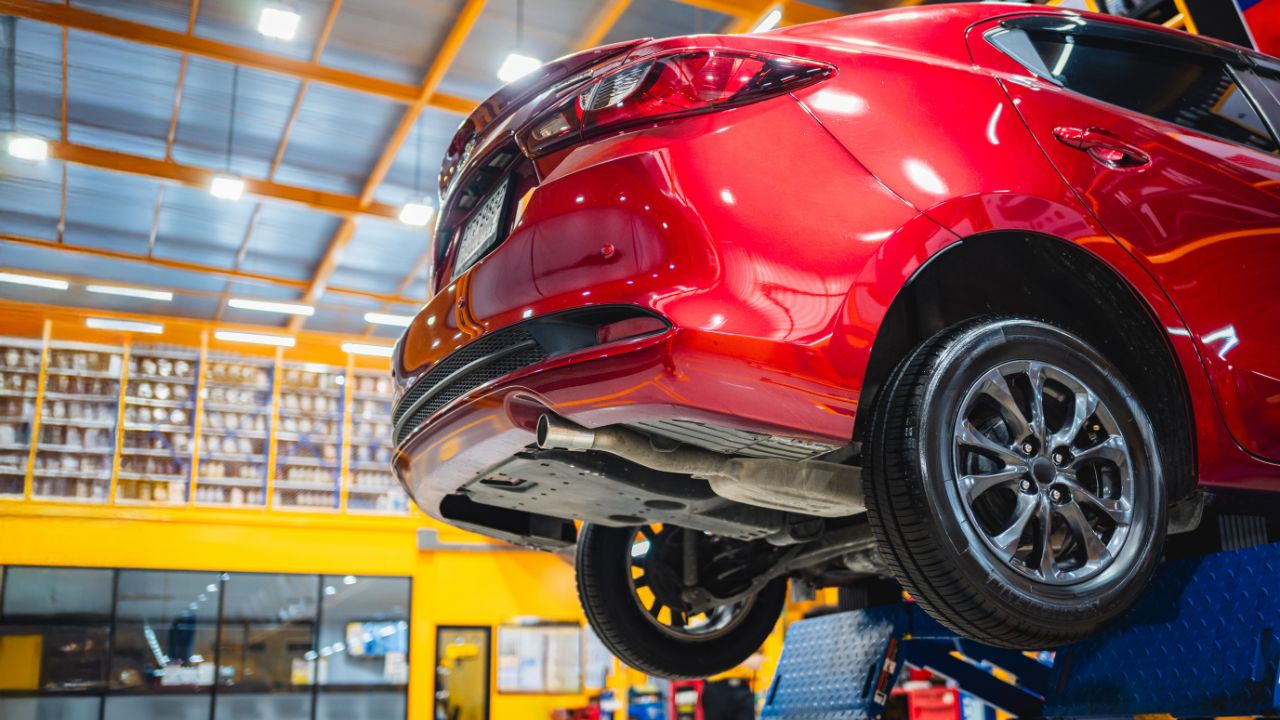

Automotive and aftermarket parts shipping is one of the most demanding environments in modern logistics. Parts vary wildly in size and weight, many include sharp edges or delicate finishes, and shipments often move through multiple warehouses, carriers, and distribution centers before reaching their final destination.
That combination creates one constant challenge: packaging has to perform every time.
Industrial packaging for automotive parts is not just about putting products in a box. It’s about controlling movement, preventing corrosion, protecting surfaces, and ensuring the shipment arrives ready to install—not ready to return.
In this guide, we’ll break down the most effective industrial packaging strategies for automotive and aftermarket parts, the supplies that matter most, and how manufacturers and distributors can reduce cost and damage while improving shipping speed.
Table of Contents
Why Automotive Parts Require Specialized Industrial Packaging
Automotive parts create packaging challenges that many general shipping systems cannot handle. Even within the same order, you may ship:
- Heavy metal parts (brake rotors, hubs, calipers)
- Fragile components (sensors, electronic modules, wiring harnesses)
- Painted or coated parts (body panels, trim, accessories)
- Precision parts (engine components, bearings, machined assemblies)
- Odd-shaped items (exhaust systems, suspension arms, frames)
Each part has different risks. A packaging system that works for a metal bracket may fail completely for a painted panel or electronic component.
That’s why the best industrial packaging programs in the automotive space focus on consistency, repeatability, and protection matched to product type.
The Biggest Packaging Risks in Automotive Shipping
Before choosing packaging materials, it helps to understand what causes damage most often.
The most common failure points include:
- Metal-to-metal contact during vibration
- Loose parts shifting inside cartons
- Sharp edges puncturing corrugated packaging
- Compression damage from stacking or freight pressure
- Surface scratching on painted or polished parts
- Moisture exposure causing rust and corrosion
- Static discharge damaging electronic modules
- Mixed-part shipments where heavy items crush lighter ones
Automotive packaging must solve these problems with materials that protect, stabilize, and separate.
The Most Important Industrial Packaging Supplies for Automotive Parts
Automotive packaging works best when it follows a layered approach. You start with containment, then add separation, cushioning, and load stability.
Corrugated Boxes for Automotive Distribution
Corrugated packaging is still one of the most important materials for automotive shipping, and many manufacturers rely on custom printed boxes to improve protection, branding, and handling efficiency.
Automotive teams rely on corrugated boxes for:
- Small and mid-sized parts
- Mixed-part kits
- Replacement part shipments
- Dealer and shop deliveries
- Distribution center fulfillment
However, automotive shipping often requires stronger corrugated than standard retail packaging. Many parts need double-wall corrugated to prevent crushing and punctures, especially when parts have corners, edges, or high weight.
Choosing the right corrugated strength reduces damage and improves stacking performance in warehouses and trailers.
Partitioning and Separation Materials
Many automotive shipments fail because parts touch each other. Even minor metal-to-metal contact during vibration can cause scuffing, chipping, and finish damage.
Separation materials include:
- Corrugated partitions
- Die-cut corrugated inserts
- Foam dividers
- Molded pulp trays
- Poly bagging for small components
Partitioning becomes critical for multi-item orders where heavy parts and delicate parts ship together.
Cushioning Materials for Fragile Components
Some automotive products require shock protection, especially:
- Sensors
- ECU modules
- Electronic controls
- Display units
- Wiring assemblies
- Fragile aftermarket accessories
Common cushioning supplies include:
- Bubble wrap (including anti-static options)
- Foam sheets and foam rolls
- Foam corner protectors
- Air pillows for void fill
- Paper cushioning for lightweight items
The goal is to eliminate movement while also absorbing impact. For fragile electronics, controlling static is equally important.
Anti-Static and ESD Packaging
Modern vehicles contain more electronics than ever. Automotive shipping now includes electronic parts that can fail from electrostatic discharge.
ESD packaging materials include:
- Static shielding bags
- Anti-static bubble wrap
- Conductive foam
- ESD tape and warning labels
This packaging is especially important for high-value modules where a failure creates major cost and warranty risk.
Stretch Film and Pallet Wrap for Bulk Shipments
Automotive distributors often ship in bulk. Pallet stability becomes a major factor in damage prevention.
Stretch film helps stabilize cartons on pallets, and using proper pallet shrink wrap techniques significantly improves load stability during transit.
- Stabilize cartons on pallets
- Reduce shifting during transit
- Improve warehouse safety
- Protect against dust and minor moisture exposure
For high-volume operations, machine stretch film improves consistency and reduces film waste.
Strapping for Heavy Loads and Pallet Integrity
Heavy automotive parts often require strapping, especially when shipping:
- Brake rotors and hubs
- Engine components
- Suspension assemblies
- Bulk metal parts
- Palletized mixed loads
Strapping materials include:
- Polyester strapping for tension and durability
- Steel strapping for maximum strength
- Edge protectors to prevent strap damage
- Buckles and seals for secure fastening
Strapping prevents load shifting and keeps heavy pallets stable during freight movement.
Packaging Strategies for Common Automotive Part Types
Automotive packaging improves dramatically when you match the packaging method to the part category.
Packaging for Metal Parts and Components
Metal parts are heavy and often have sharp edges. They also risk corrosion if exposed to moisture.
Best practices include:
- Use strong corrugated cartons (often double-wall)
- Add internal blocking to prevent movement
- Use foam pads or separators to prevent contact
- Add moisture protection for long-distance shipments
- Use VCI materials for corrosion prevention
For heavy parts, a weak carton is one of the fastest ways to create damage and claims.
Packaging for Painted or Finished Parts
Painted parts, polished accessories, and coated components require surface protection.
Effective packaging methods include:
- Foam sheeting or soft wrap layers
- Poly bagging to prevent abrasion
- Corner protectors to prevent edge damage
- Dedicated partitions to avoid contact
- Oversized cushioning zones for impact absorption
For finished parts, cosmetic damage often leads to returns even when the part still functions.
Packaging for Long or Odd-Shaped Parts
Some parts create challenges due to shape, such as:
- Exhaust components
- Suspension arms
- Trim pieces
- Frames and structural components
Long items often benefit from:
- Reinforced corrugated cartons
- Custom inserts to prevent shifting
- Palletization for freight shipments
- Tube-style packaging for specific long parts
When long parts ship without support, they bend, dent, or crush easily.
When Military Spec Packaging Applies in Automotive Supply Chains
Most automotive shipments don’t require strict government compliance. However, some automotive manufacturers and suppliers support defense, fleet, or government procurement contracts.
In those cases, military spec packaging may apply, especially when shipping parts that require:
- Long-term storage preservation
- Corrosion prevention and moisture control
- Traceability and documentation
- Defined packaging performance standards
- Controlled labeling and markings
Military spec packaging improves consistency and reduces rejection risk when shipments must meet contract requirements.
How an Industrial Packaging Supplier Supports Automotive Operations
Automotive distribution depends on consistency. When packaging supplies vary, damage increases and packing time slows down.
A strong industrial packaging supplier helps automotive businesses:
- Standardize box sizes and corrugated grades
- Provide custom inserts for repeat part numbers
- Support ESD-safe packaging programs
- Source VCI and moisture-control materials
- Maintain inventory for high-volume operations
- Reduce packaging waste through optimization
This support becomes even more valuable when automotive parts ship daily and order volume fluctuates.
Industrial Packaging SEO for Automotive and Aftermarket Parts
Automotive businesses searching for packaging solutions typically have one goal: reduce damage and ship faster.
Common search intent includes:
- Industrial packaging for automotive parts
- Heavy-duty corrugated packaging for metal components
- Custom packaging for aftermarket accessories
- Packaging for automotive electronics and modules
- Industrial packaging supplier for distribution centers
- Military spec packaging for government fleet shipments
Content that addresses these real challenges performs well in organic search because it matches buyer needs directly.
Final Thoughts: Automotive Packaging Is a Performance System
Automotive shipping creates some of the toughest packaging demands in industrial distribution. Products vary in weight, shape, and sensitivity, and shipments face repeated handling across supply chains.
When you build a packaging system with strong corrugated, proper separation, reliable cushioning, and consistent pallet containment, you reduce damage, improve efficiency, and protect customer satisfaction.
And when compliance requirements apply, military spec packaging ensures automotive parts ship with the preservation, documentation, and consistency needed for regulated supply chains.
With the right industrial packaging strategy, automotive shipments stop being unpredictable and start becoming repeatable—order after order.