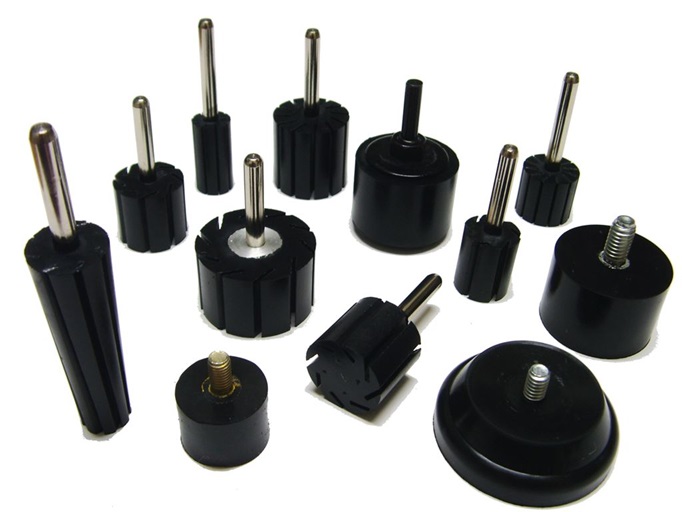

Machines, whether in industrial settings or vehicles, generate vibrations that can lead to inefficiency, discomfort, and even damage. These vibrations, if left unchecked, can shorten the lifespan of machinery, create excessive noise, and impact overall performance. That’s where rubber design mounts come into play. These specialized components help absorb and control vibrations, ensuring machines operate smoothly, quietly, and efficiently. For more information on how rubber design mounts improve vibration and noise control, check out rubber design mounts.
Table of Contents
What Are Rubber Design Mounts?
Rubber design mounts are shock-absorbing components typically made from durable rubber or rubber-based materials. They are used to isolate vibrations caused by machinery, engines, or motors, preventing the transmission of these vibrations to surrounding parts of the system. These mounts are designed to be flexible and absorb the energy produced by vibrations, protecting other parts of the machine from the damaging effects of continuous movement.
The Importance of Vibration Control in Machines
Vibration control is a crucial aspect of machine operation. Left unchecked, vibrations can cause numerous issues, such as:
- Excessive Wear and Tear: Continuous vibrations can lead to the degradation of machine parts, causing them to wear out faster.
- Noise Pollution: Vibrations often lead to loud, disturbing noises, which can be particularly problematic in industries requiring quiet operations.
- Reduced Efficiency: Vibrations can affect the precision and alignment of machine components, resulting in decreased operational efficiency.
- Safety Concerns: In severe cases, uncontrolled vibrations can lead to mechanical failure, posing safety risks to operators and damaging expensive equipment.
Rubber design mounts mitigate these problems by effectively absorbing and isolating the vibrations, ensuring the machine runs optimally while enhancing safety and performance.
How Do Rubber Design Mounts Work?
Rubber design mounts work through a combination of elasticity and damping. The rubber material used in the mounts has the unique ability to deform under pressure, which allows it to absorb the energy generated by vibrations. When the machine moves, the mount compresses or deforms, absorbing the force and dissipating it over a larger area. This reduces the intensity of vibrations that travel to other components of the machine, preventing damage and minimizing noise.
The mounts are often engineered to provide the right amount of flexibility to absorb vibrations without compromising the stability and alignment of the machine. Depending on the application, rubber mounts may be designed to work in compression, shear, or a combination of both, further enhancing their vibration control capabilities.
Key Benefits of Rubber Design Mounts for Machines
Rubber design mounts offer several advantages that make them essential for the proper functioning of machines:
1. Enhanced Durability and Longevity
By absorbing vibrations, rubber design mounts protect machine components from the wear and tear caused by constant movement. This extends the lifespan of the machine, reducing the need for frequent maintenance or repairs. As a result, rubber mounts contribute to the overall durability and reliability of the equipment.
2. Noise Reduction
One of the most immediate benefits of using rubber design mounts is noise reduction. Vibrations generated by machinery often result in loud, disruptive noises that can be particularly bothersome in work environments. Rubber mounts help dampen these noises, ensuring a quieter operation and a more comfortable workspace.
3. Improved Safety
Uncontrolled vibrations can lead to accidents or mechanical failures, especially in high-stress environments. Rubber design mounts help isolate vibrations, minimizing the risk of structural damage, machine breakdowns, or potential injuries to operators. By providing effective vibration isolation, these mounts play a critical role in maintaining safety standards in industrial settings.
4. Increased Efficiency
Vibrations can negatively impact the performance of machines, causing misalignment and reducing overall efficiency. Rubber design mounts maintain the correct alignment of machine components, ensuring smooth and efficient operation. By preventing vibration-related inefficiencies, rubber mounts help optimize the machine’s performance.
5. Cost Savings
While rubber mounts may require an initial investment, they can result in significant long-term savings. By reducing wear on components, minimizing noise, and extending the lifespan of machinery, rubber design mounts help lower maintenance costs and reduce the frequency of repairs. Additionally, efficient operation means lower energy consumption, contributing to cost savings over time.
Applications of Rubber Design Mounts in Machines
Rubber design mounts are used in a wide range of industries and applications to improve vibration control. Here are some key sectors where these mounts are particularly valuable:
1. Automotive Industry
In the automotive industry, rubber mounts are used extensively in engine mounts, suspension systems, and exhaust systems. They help absorb engine vibrations, provide a smoother ride, and reduce road noise, enhancing the overall driving experience.
2. Industrial Machinery
In industrial machinery, rubber mounts are used to isolate vibrations generated by motors, compressors, pumps, and other moving components. These mounts prevent the transmission of vibrations to sensitive parts of the machinery and surrounding structures, improving overall performance and preventing damage.
3. HVAC Systems
In HVAC (heating, ventilation, and air conditioning) systems, rubber mounts help reduce vibrations from fans, compressors, and pumps. This not only makes the system quieter but also prevents damage to the equipment and surrounding infrastructure.
4. Marine Industry
In marine applications, rubber mounts are used to dampen vibrations generated by boat engines and other machinery. These mounts reduce noise and ensure a smoother ride, providing comfort for passengers and crew members.
5. Heavy Equipment
Rubber design mounts are used in heavy equipment such as cranes, excavators, and construction machinery. They help absorb the vibrations produced by large engines and moving parts, reducing strain on the equipment and improving overall efficiency.
Types of Rubber Design Mounts
Rubber design mounts come in a variety of shapes and sizes to suit different applications. The type of mount you choose will depend on factors such as load capacity, vibration frequency, and the specific requirements of your machine. Here are some common types of rubber mounts:
1. Standard Rubber Mounts
These are the most basic type of rubber mounts, offering general vibration isolation for light to medium-duty applications. They are commonly used in household appliances, small machinery, and vehicles.
2. High-Duty Rubber Mounts
Designed for heavy-duty applications, these mounts offer higher load-bearing capacities and superior vibration isolation. They are often used in industrial machinery and heavy equipment.
3. Compression Rubber Mounts
Compression rubber mounts are designed to absorb shock loads by compressing under pressure. They are commonly used in systems where shock or impact loads are prevalent, such as in large engines or construction machinery.
4. Shear Rubber Mounts
Shear rubber mounts resist movement in shear, providing effective vibration isolation in applications where lateral forces are a concern. These mounts are often used in machinery with side-to-side movements.
5. Bonded Rubber Mounts
Bonded rubber mounts are created by bonding rubber to metal or other materials. This design enhances durability and performance, making these mounts ideal for high-stress applications.
Factors to Consider When Choosing Rubber Design Mounts
Choosing the right rubber design mount is essential for optimal vibration control. Here are some important factors to consider:
1. Load Capacity
Each mount is designed to support a specific weight or load. Ensure that the rubber mounts you select can handle the weight of the machinery or equipment they will be used with.
2. Vibration Frequency
Rubber mounts are designed to work best within certain vibration frequencies. Consider the vibration characteristics of your machinery and choose a mount that matches those needs.
3. Environmental Conditions
If the mount will be exposed to harsh environmental conditions such as extreme temperatures, moisture, or chemicals, ensure that it is made from a material that can withstand these conditions.
4. Space Constraints
In some applications, space is limited. Choose a mount that fits within the available space while still providing effective vibration isolation.
5. Durability and Lifespan
Consider how long you expect the mount to last. In high-stress environments, select a mount made from more durable materials to ensure long-term performance.
Maintaining Rubber Design Mounts
Rubber design mounts are low-maintenance but should be regularly inspected to ensure they continue to perform optimally. Here are some tips for maintaining rubber mounts:
- Inspect for Wear: Regularly check for cracks, splits, or signs of wear that could indicate the need for replacement.
- Clean the Mounts: Dirt and debris can interfere with the mount’s performance. Clean the mounts regularly to keep them functioning properly.
- Replace Worn-Out Mounts: If the mount no longer provides effective vibration isolation, it’s time to replace it with a new one.
Conclusion
Rubber design mounts are an essential component for ensuring machines operate efficiently, safely, and quietly. They provide effective vibration control, improving machine longevity, reducing noise, and preventing damage to sensitive components. Whether you’re working in the automotive industry, industrial machinery, or heavy equipment, these mounts offer invaluable benefits.