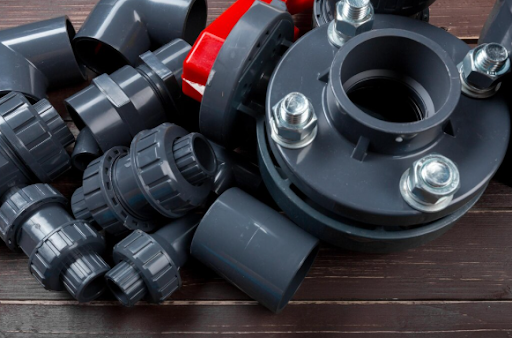

Something’s shifting in the plumbing world. Walk into any trade supplier and you’ll see it. The copper section gets smaller each year. Meanwhile, PEX takes up more shelf space. Licensed plumbers who built entire careers around copper now stock plumbing PEX fittings in their work vans. This isn’t about chasing trends. Real problems need solving, and copper can’t always deliver the answers.
Table of Contents
The Flexibility Factor
Most articles mention flexibility and move on. But there’s more to it. Australian soil tells its own story. Reactive clay dominates across Melbourne, Adelaide, and parts of Sydney. The ground shifts. It expands when wet and contracts during drought. Rigid pipes crack under that constant movement. PEX bends instead of breaking. Plumbers working in problem soil areas see fewer callback jobs now. The material moves with the ground rather than fighting against it.
What Corrosion Actually Costs
Queensland’s coast teaches expensive lessons. Salt air attacks from outside. Dissolved minerals work from within. Pinhole leaks appear in copper over time. They’re not mysterious or random. It’s chemistry doing what chemistry does. Plumbing pex fittings don’t corrode because plastic isn’t metal. What looks like a simple material choice today becomes serious money saved later. Water damage repairs add up fast. Prevention beats repair every time.
The Freeze Question
Australians often skip this part. Freeze protection sounds irrelevant in a warm country. Homeowners in the Snowy Mountains know better. So do people in rural Victoria who’ve seen burst pipes during winter. Poor insulation and unheated roof spaces create problems. PEX won’t fix bad planning, but it does something copper can’t. The material expands dramatically before it fails. That margin prevents damage in areas where overnight frost catches people unprepared.
Installation Reality Check
Speed isn’t the real advantage. Accessibility is what matters. Renovating an older bathroom where pipes run through concrete slabs presents challenges. Threading flexible plumbing pex fittings through existing walls beats demolition work. Push-fit connections work in tight spaces without needing heat or flame. This matters tremendously when retrofitting occupied homes. Nobody wants their house torn apart for a week when alternative methods exist.
The Noise Nobody Mentions
That rattling sound when toilets flush? Water hammer causes it. Multi-storey homes amplify the problem. Copper broadcasts every vibration through walls and floors. PEX absorbs those shock waves naturally. Modern townhouse residents rarely hear their neighbours’ plumbing systems. Thicker walls don’t deserve all the credit. Smarter pipe materials dampen the noise that metal conducts throughout entire structures. The difference becomes obvious once you notice it.
Temperature Extremes
Perth summers turn roof spaces into ovens. Hot water pipes live up there. Plumbing pex fittings handle extreme heat without degrading the way metal can over time. The opposite end matters too. Morning cold water actually runs cold through PEX. Metal conducts temperature efficiently, which isn’t always desirable. Plastic insulates instead. Small details create noticeable differences in daily use.
The Chemical Reality
Water authorities keep adjusting treatment methods. Chlorine levels are rising across major centres to combat biofilm in ageing infrastructure. Good for water safety. Rough on copper pipes. Higher chlorine concentrations speed up pitting and corrosion, especially in hot water lines. PEX stays chemically neutral. As treatment standards tighten in Sydney, Brisbane, and elsewhere, chemical stability shifts from bonus feature to essential requirement.
Environmental Truth
Manufacturing energy gets discussed often. But there’s another angle worth considering. A typical home plumbed in copper needs roughly twice the fittings compared to PEX. Fewer fittings mean reduced manufacturing demand. Transport weights drop. Skilled labour spends less time burning gas for torch work. These differences multiply across thousands of homes. The carbon footprint improves through accumulated small changes rather than single dramatic shifts.
Conclusion
Plumbers aren’t switching to plumbing pex fittings because of novelty. Australian conditions demand it. Reactive soils move. Water quality varies. Temperatures swing wildly. Home designs grow more complex. Copper served well for generations, but it can’t address every modern challenge. PEX solves specific problems that metal piping struggles with. These aren’t abstract differences. They’re practical considerations affecting homes for decades after installation. Understanding what actually matters helps when making decisions that last.