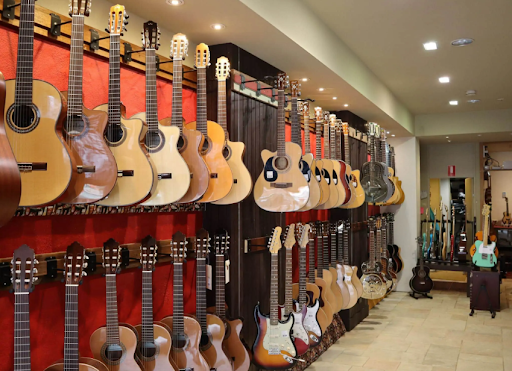

Sydney’s music shops aren’t just retail spaces. They’re where bedroom guitarists become gigging musicians, where tone-chasers finally find their sound, and where broken dreams get a second chance through a proper setup. Finding the right guitar store in Sydney matters because the wrong guitar can kill your motivation faster than a broken string mid-solo. The right one makes practice feel effortless.
Table of Contents
Real Players, Real Advice
The bloke behind the counter has probably played more dive bars than you’ve had hot dinners. That experience counts. When someone’s spent years troubleshooting feedback issues late at night or coaxing tone from budget gear, they know what actually works. They know what just looks good in marketing photos. These conversations reveal whether your buzzing frets are a setup issue. They show if that expensive pedal you’re eyeing will genuinely improve your sound or just empty your wallet.
The Touch Test Changes Everything
Specifications mean nothing until you feel the neck in your hands. A guitar that looks identical online plays completely differently in person. The weight distribution matters. The neck profile makes a difference. How the body sits against your ribs affects everything. Some guitars fight you. Others feel like they’ve always belonged there. You’ll know quickly whether an instrument works for you, but only if you can actually hold it first.
Unusual Finds and Hidden Gems
Walk past the usual suspects hanging on the wall. You’ll spot the interesting stuff tucked away. That discontinued model the manufacturer quietly perfected before killing the line sits in the corner. The oddball import that sounds incredible but never got proper distribution hangs near the back. The ex-demo piece with a tiny cosmetic flaw plays better than anything at twice the asking figure. Guitar store in Sydney locations stock these anomalies because their buyers actually understand instruments. They’re not just shifting popular brands.
Setups That Actually Work
Most guitars leave factories set up for shipping, not playing. Action sits too high to avoid buzzing during transport. Intonation is close enough for quality control but not close enough for recording. A proper tech doesn’t just adjust your truss rod. They listen to how you play. They notice where you struggle. They ask what you’re trying to achieve. They’ll set up a jazz player’s guitar completely differently to a metal player’s, even if it’s the same model.
The Regulars Know Things
Saturday afternoons bring out the characters. The session player tests a backup guitar before a tour. The collector knows which vintage reissues actually use period-correct components. The teacher has seen countless students and knows exactly which starter guitar won’t fall apart after a few months. Stand around long enough and you’ll learn more about gear than any forum thread could teach you. Real conversations beat internet speculation.
Gear That Works Together
Pairing a bright guitar with a bright amp creates an icepick tone that’ll clear a room. Certain pedals sound glorious through valve amps but thin and digital through solid-state. Some pickup combinations split beautifully. Others just sound hollow and disappointing. Staff who understand signal chains save you from expensive mismatches. Things might look perfect on paper but sound dreadful in practice.
Your Old Gear Still Has Value
That guitar gathering dust represents either dead money or trade credit. It depends on where you take it. Shops that properly evaluate used instruments consider factors beyond condition. Model desirability matters. Market timing plays a role. Regional demand affects everything. Sometimes an instrument you’ve written off as worthless turns out to be collectible. Other times, trading in something decent gets you most of the way to something excellent without the hassle of private sales.
Where Opportunities Happen
Notice boards advertise dep gigs. Conversations lead to jam sessions. That person trying out vintage Fenders might need a rhythm guitarist. Teachers meet potential students. Bands find missing members they didn’t know they were looking for. Music scenes grow in physical spaces where musicians naturally congregate. They don’t grow through algorithm-driven social media suggesting you connect with people several suburbs away who play completely different genres.
The difference between a decent guitar store in Sydney and a great one isn’t stock size. It’s not flashy premises either. It’s whether the staff play gigs themselves. It’s whether they’ll honestly tell you that cheaper option actually sounds better for your needs. It’s whether they remember your name after your third visit. Musical instruments are intensely personal tools. Buying one should feel less like a transaction and more like a conversation with someone who genuinely cares whether you’re still playing this thing years from now.