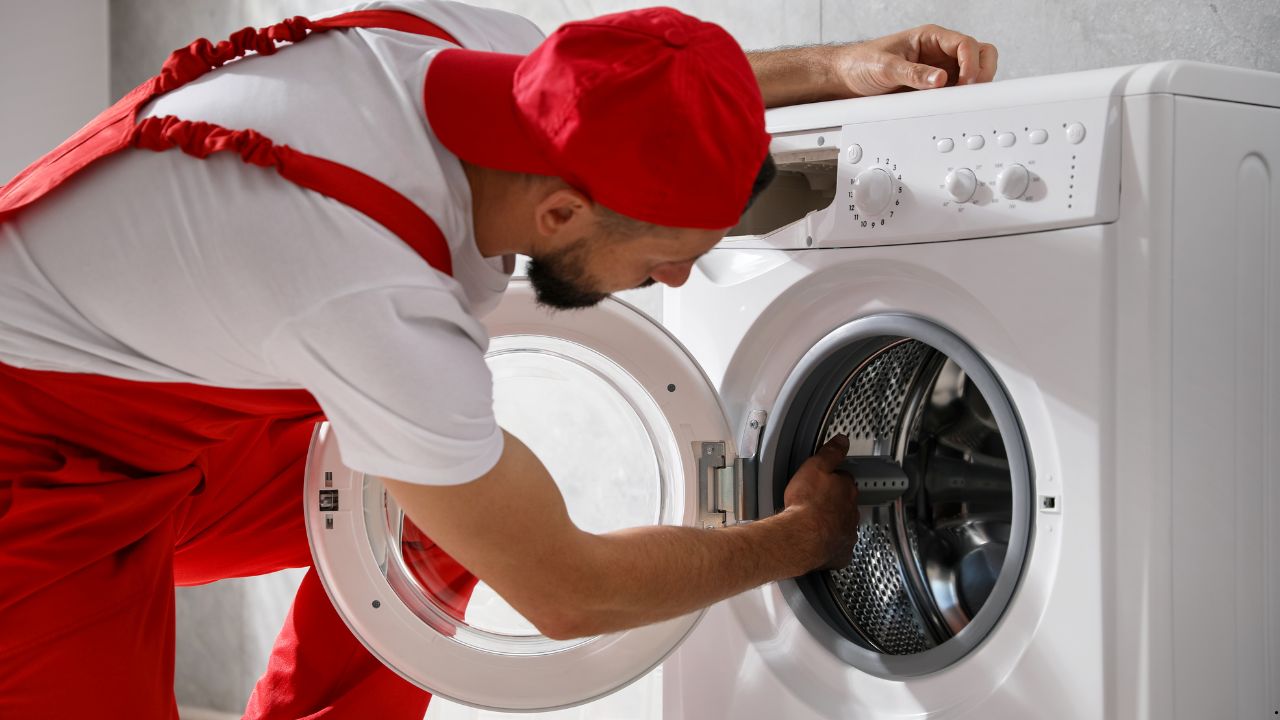

Your washing machine works hard every week. It cleans your clothes, towels, and bedsheets without complaint. However, sometimes things go wrong. When that happens, you might feel frustrated and worried about repair costs.
The good news is that many washing machine problems are easier to fix than you think. Some issues need professional help, but others you can handle yourself. Let’s explore the most common problems and what you can do about them.
Table of Contents
The Machine Won’t Start
First, this is one of the most frustrating issues. You load your laundry, add detergent, and press the start button. Nothing happens. Before you panic, check a few simple things.
Make sure the machine is plugged in properly. Sometimes, the plug gets loose during cleaning or moving items around. Next, check if the door is fully closed. Most modern machines won’t start unless the door locks completely. Also, verify that you’ve selected a wash cycle. Some machines won’t begin without this step.
For guidance on keeping your home safe from electrical hazards, see electrical safety. If you’ve checked everything and it still won’t start, you might need household appliance repair in Queens or wherever you live.
Water Won’t Drain
Another common problem is standing water in the drum. You open the machine after a cycle, and your clothes are sitting in a pool of water. This issue often points to a clogged drain.
First, check the drain hose. It might be kinked or bent, blocking water flow. Straighten it out and see if that helps. You can also check drain solutions for tips on unclogging drains efficiently. This filter catches coins, buttons, and lint. When it gets too full, water can’t drain properly.
To clean the filter, place towels on the floor beneath it. Then, slowly unscrew the filter cap. Water will likely spill out, so be prepared. Remove any debris you find inside. After that, run a short cycle to test if the problem is solved.
Strange Noises During Cycles
Furthermore, loud banging, grinding, or squealing sounds are never good signs. These noises can mean different things depending on when they occur.
Banging often happens when the load is unbalanced. Heavy items like blankets or jeans can clump together on one side. Stop the machine, open the door, and rearrange the clothes evenly. Then restart the cycle.
Grinding sounds might indicate something stuck in the drum. Check between the inner drum and outer tub for coins, keys, or small items. Sometimes, items slip out of pockets and get trapped.
Squealing noises could mean the belt is worn out or loose. This repair usually requires a professional. If you hear these sounds regularly, consider calling for household appliance repair in Queens to prevent bigger damage.
The Machine Shakes or Moves
Does your washing machine dance across the floor during spin cycles? This is actually pretty common. However, it can damage your floors and the machine itself over time.
First, make sure the machine is level. Use a spirit level to check. Most machines have adjustable feet at the bottom. Turn these feet to raise or lower each corner until the machine sits level. This simple fix often solves the shaking problem.
Moreover, check if the shipping bolts are still attached. New machines come with bolts that hold the drum steady during transport. These must be removed before use. If they’re still in, the machine will shake violently.
An unbalanced load also causes shaking. Don’t overload the machine, and mix large items with smaller ones. This helps distribute weight evenly during the spin cycle.
Leaking Water
Water pooling around your machine is a serious issue. It can damage floors and create mold problems. Therefore, you need to find the source quickly.
For more on maintaining pipes and connections, check plumbing tips. Make sure these connections are tight. Look for cracks in the hoses themselves. Even small cracks can leak significant amounts of water.
Next, examine the door seal. This rubber gasket keeps water inside during cycles. Over time, it can tear or develop mold. Clean it regularly with a damp cloth. If it’s damaged, it needs replacement.
Sometimes, using too much detergent causes leaks. Excess suds can overflow from the machine. Use the amount recommended on your detergent bottle, not more.
The Machine Won’t Spin
After a wash cycle, your clothes should be damp, not soaking wet. If they’re dripping, the spin cycle isn’t working properly. Several things might cause this washing machine problem.
A full drain filter can prevent spinning. The machine won’t spin if it can’t drain water first. Clean the filter as described earlier. Also, an unbalanced load stops the spin cycle as a safety feature. Rearrange your clothes and try again.
The lid switch might be broken as well. This switch tells the machine when the door is closed. If it’s faulty, the machine thinks the door is open and won’t spin. Testing this usually requires professional help.
Bad Smells Coming from the Machine
Musty odors are unpleasant and can transfer to your clean clothes. This problem happens when moisture stays trapped inside the machine. Mold and mildew grow in damp, dark places.
After each wash, leave the door open for a few hours. This lets the drum dry completely. Additionally, wipe down the door seal where water collects. Run a cleaning cycle once a month using hot water and vinegar or a washing machine cleaner.
When to Call a Professional
Some washing machine problems need expert attention. Don’t attempt repairs beyond your skill level. You could make things worse or void your warranty.
Call a professional if you notice electrical issues, motor problems, or transmission failures. These repairs require special tools and knowledge. Similarly, if you’ve tried simple fixes and the problem continues, it’s time to get help.
For those in New York, appliance repair services can diagnose and fix complex issues quickly. Professional technicians have experience with all brands and models. They can often repair machines the same day.
Prevention Tips
Finally, preventing problems is easier than fixing them. Use the right amount of detergent. Don’t overload the machine. Clean the filter and door seal monthly. These simple habits extend your machine’s life.
Check pockets before washing to prevent items from getting stuck inside. Use mesh bags for small items like socks. Run hot water cycles occasionally to prevent buildup.
Conclusion
Your washing machine is an essential appliance. When it breaks down, life gets complicated quickly. Fortunately, many common issues have simple solutions you can try yourself.
However, don’t hesitate to call professionals when needed. Regular maintenance and quick attention to small problems prevent expensive repairs later. Keep your machine running smoothly, and it will serve you well for years to come.