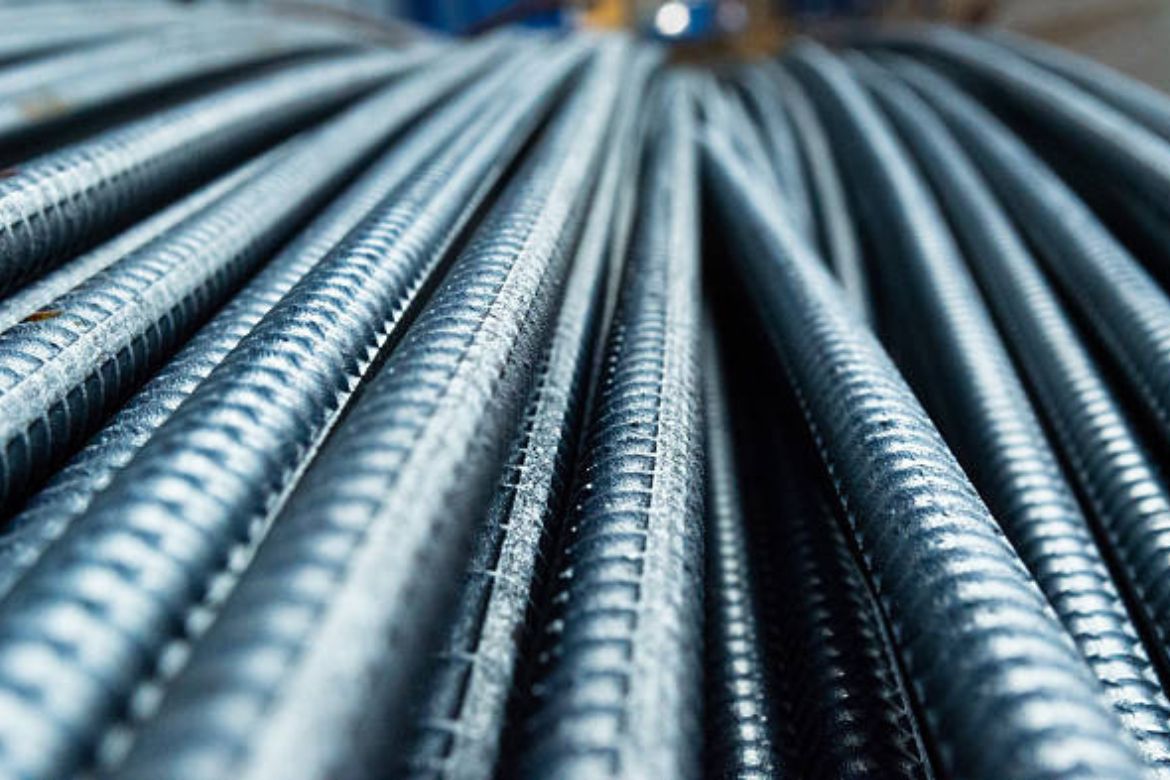

In the ever-evolving world of construction, steel framing has emerged as a powerful solution, transforming the way structures are built. Known for its strength, durability, and versatility, steel framing has become a preferred choice for many modern building projects. In this blog, we’ll explore what steel framing is, its benefits, applications, and the future of this essential construction method.
Table of Contents
What is Steel Framing?
Steel framing refers to the use of steel columns, beams, and other structural elements to support and shape a building. Unlike traditional wood framing, which relies on timber, steel framing utilizes steel components, which are either hot-rolled or cold-formed, to create a robust framework for construction.
Types of Steel Framing
- Hot-Rolled Steel Framing: This involves steel sections that are heated and then rolled into shape. It is commonly used in larger commercial and industrial buildings due to its strength and load-bearing capacity.
- Cold-Formed Steel Framing: Made from thin steel sheets that are shaped at room temperature, cold-formed steel is often used in residential and light commercial applications. It is lighter and more versatile than hot-rolled steel but still provides significant strength.
Benefits of Steel FramingStrength and Durability
Steel is renowned for its high strength-to-weight ratio, making it an excellent choice for structures that need to support heavy loads. It is resistant to various forms of damage, including termites, rot, and warping, which are common issues with wood framing.
Design Flexibility
Steel framing allows for more flexible design options. Its strength enables the construction of larger open spaces with fewer supports, creating expansive and open interiors. Additionally, steel’s precision in fabrication ensures that components fit together accurately, reducing construction time and improving overall design integrity.
Fire Resistance
Steel has a higher fire resistance compared to wood. It doesn’t burn, which makes it an excellent choice for buildings where fire safety is a concern. While steel can lose strength at high temperatures, it can be treated with fire-resistant coatings to enhance its performance in fire scenarios.
Sustainability
Steel is highly recyclable, making it a sustainable building material. Recycled steel can be used in new construction without compromising its strength. Additionally, steel framing can contribute to energy efficiency in buildings due to its ability to integrate with insulation and other energy-saving technologies.
Low Maintenance
Steel frames require minimal maintenance compared to traditional materials. They are resistant to pests, decay, and other common issues, reducing the need for ongoing repairs and upkeep.
Applications of Steel FramingCommercial Buildings
Steel framing is widely used in commercial construction due to its strength and ability to support large spans. High-rise office buildings, shopping malls, and industrial facilities often utilize steel framing to achieve structural stability and open floor plans.
Residential Buildings
In residential construction, cold-formed steel framing is increasingly popular. It is used in single-family homes, townhouses, and apartment buildings. The use of steel in residential projects allows for quicker construction and precise design.
Educational and Healthcare Facilities
Schools and hospitals benefit from steel framing due to its durability and the ability to create expansive and flexible spaces. These facilities often require large, open areas for classrooms, labs, and treatment rooms, making steel framing an ideal choice.
Recreational and Entertainment Venues
Gyms, sports arenas, and entertainment venues utilize steel framing to accommodate large spans and high loads. The flexibility and strength of steel make it suitable for structures that need to support heavy equipment and large crowds.
The Future of Steel Framing
The future of steel framing looks promising as advancements in technology and design continue to enhance its capabilities. Innovations such as:
- Smart Steel: Integrating sensors and smart technology into steel framing to monitor structural health and performance.
- Prefabrication: The use of prefabricated steel components that can be assembled quickly on-site, reducing construction time and costs.
- Sustainable Practices: Continued focus on recycling and reducing the environmental impact of steel production.
These developments will further solidify steel framing’s role as a leading construction method, offering even more benefits and applications.
Final Thoughts
Steel framing has revolutionized the construction industry with its strength, durability, and versatility. From towering skyscrapers to cozy homes, steel framing provides the backbone for a wide range of structures, combining functionality with design flexibility. As technology advances and sustainable practices improve, steel framing will continue to play a pivotal role in shaping the future of construction.
Whether you’re involved in commercial, residential, or industrial projects, understanding the benefits and applications of steel framing can help you make informed decisions and leverage this powerful material for your next building endeavor. Embracing steel framing not only enhances structural integrity but also contributes to a more sustainable and efficient future in construction.