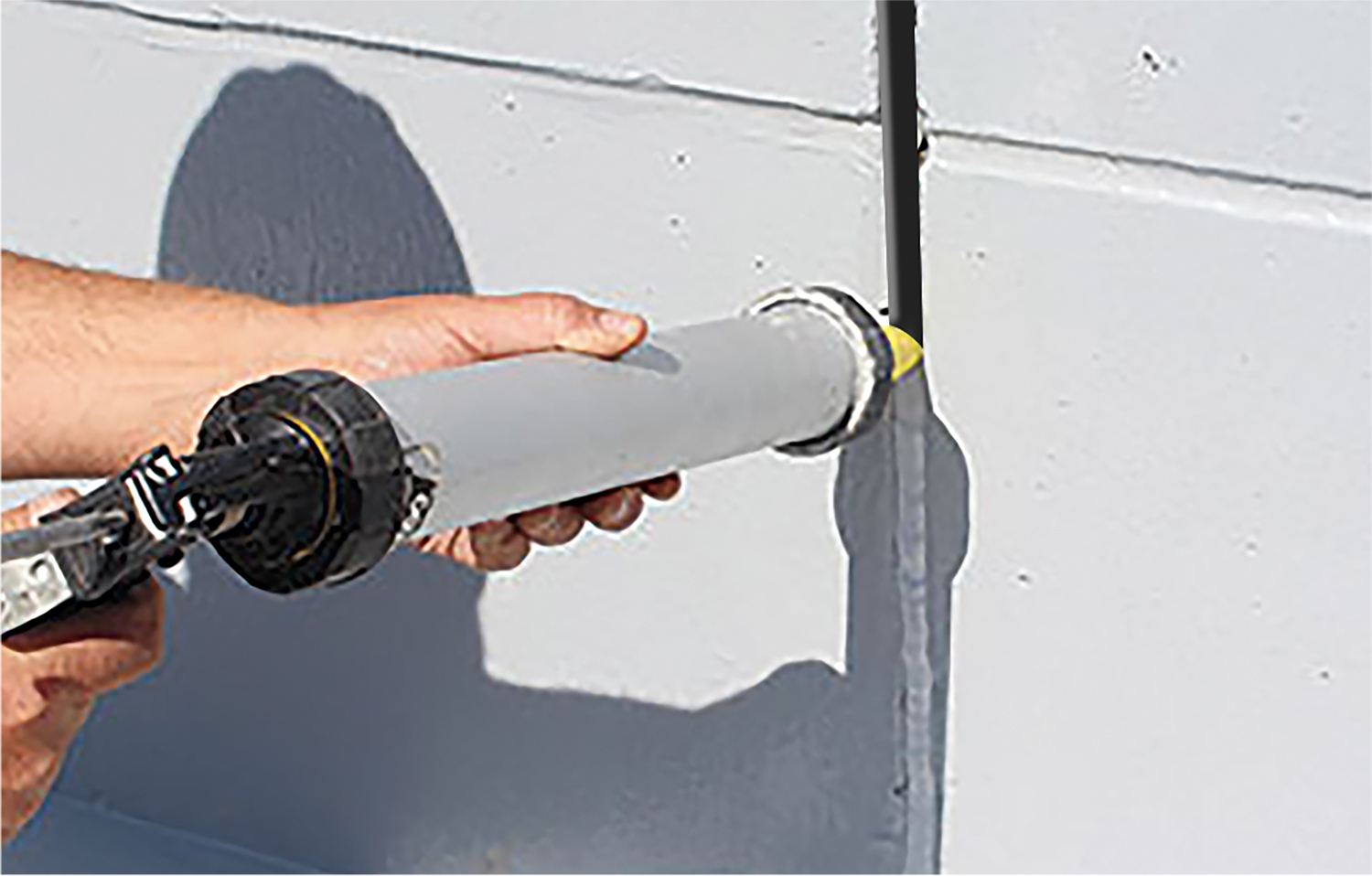

Energy efficiency has become a top priority in modern building design and maintenance. Efficient insulation not only reduces energy consumption but also enhances indoor comfort and lowers utility bills. One of the most effective materials for improving energy efficiency in buildings is PU foam sealant. Its unique properties allow it to fill gaps, prevent air leakage, and provide superior thermal insulation, making it an essential solution for both new constructions and renovation projects.
The Role of PU Foam Sealant in Energy Efficiency
PU foam sealant is a polyurethane-based material that expands upon application, forming a durable and airtight seal. This expansion enables the foam to fill irregular gaps and cavities around windows, doors, walls, and rooflines, which are common sources of energy loss. For homeowners and construction professionals seeking reliable products, PU foam sealant is available with various specifications, ensuring optimal performance for different insulation needs. Choosing the right foam can significantly enhance a building’s energy efficiency while providing long-term cost savings.
Key Ways PU Foam Sealant Enhances Energy Efficiency
Table of Contents
1. Air Sealing and Draft Prevention
A primary source of energy loss in buildings is uncontrolled airflow through gaps, cracks, and openings. PU foam sealant expands to create an airtight barrier, preventing drafts and minimizing heat transfer. By reducing the exchange of indoor and outdoor air, the foam helps maintain consistent indoor temperatures, allowing heating and cooling systems to operate more efficiently. This not only conserves energy but also reduces wear on HVAC systems.
2. Superior Thermal Insulation
The closed-cell structure of PU foam sealant provides excellent thermal insulation. It reduces heat loss during the winter and heat gain during the summer, creating a more comfortable indoor environment. Unlike traditional insulation materials, which may leave voids or settle over time, PU foam maintains its shape and insulating properties for years. This long-term thermal performance directly contributes to lower energy consumption and decreased utility costs.
3. Moisture and Condensation Control
Excess moisture can compromise insulation performance and increase energy consumption. PU foam sealant acts as both an insulator and a moisture barrier, preventing water from entering wall cavities and other structural gaps. By controlling condensation and reducing humidity levels, the foam helps maintain the efficiency of heating and cooling systems, while also protecting the building’s structural integrity.
4. Noise Reduction and Acoustic Benefits
While primarily valued for its thermal properties, PU foam sealant also provides acoustic insulation. By sealing gaps and cavities, the foam reduces the transmission of external noise into the building. Quieter indoor environments require less energy-intensive solutions to maintain comfort, indirectly contributing to overall energy efficiency.
5. Compatibility with Various Building Materials
PU foam sealant adheres effectively to a wide range of construction surfaces, including wood, metal, concrete, and brick. This versatility ensures that all potential gaps and openings are addressed, regardless of the building material. Proper application maximizes energy efficiency by eliminating weak points where heat could escape or enter.
Practical Applications in Buildings
PU foam sealant can be applied in multiple areas to enhance energy efficiency:
- Window and Door Frames: Filling spaces to prevent drafts and heat loss.
- Wall and Roof Cavities: Insulating and sealing structural gaps to maintain indoor temperatures.
- Pipe Penetrations and Ducts: Preventing air leakage around mechanical systems.
- Attics and Basements: Reducing energy loss in areas prone to temperature fluctuations.
Correct selection of the foam type and careful application are key to achieving the maximum energy-saving potential in these areas.
Long-Term Benefits of PU Foam Sealant
Investing in PU foam sealant for insulation not only improves immediate energy efficiency but also offers long-term advantages. Reduced energy consumption translates into lower utility bills, while the durable seal minimizes maintenance and replacement costs. Additionally, improved insulation can increase property value by demonstrating energy-conscious design to potential buyers. Buildings insulated with PU foam experience better indoor comfort, lower carbon footprints, and enhanced protection against environmental elements.
Conclusion
PU foam sealant is an indispensable material for improving energy efficiency in buildings. Its ability to create airtight seals, provide superior thermal insulation, resist moisture, and reduce noise makes it a comprehensive solution for both residential and commercial projects. By selecting high-quality PU foam and applying it correctly, building owners and contractors can achieve significant energy savings, improved comfort, and long-term durability. Implementing PU foam insulation is a strategic step toward sustainable, efficient, and cost-effective building management.