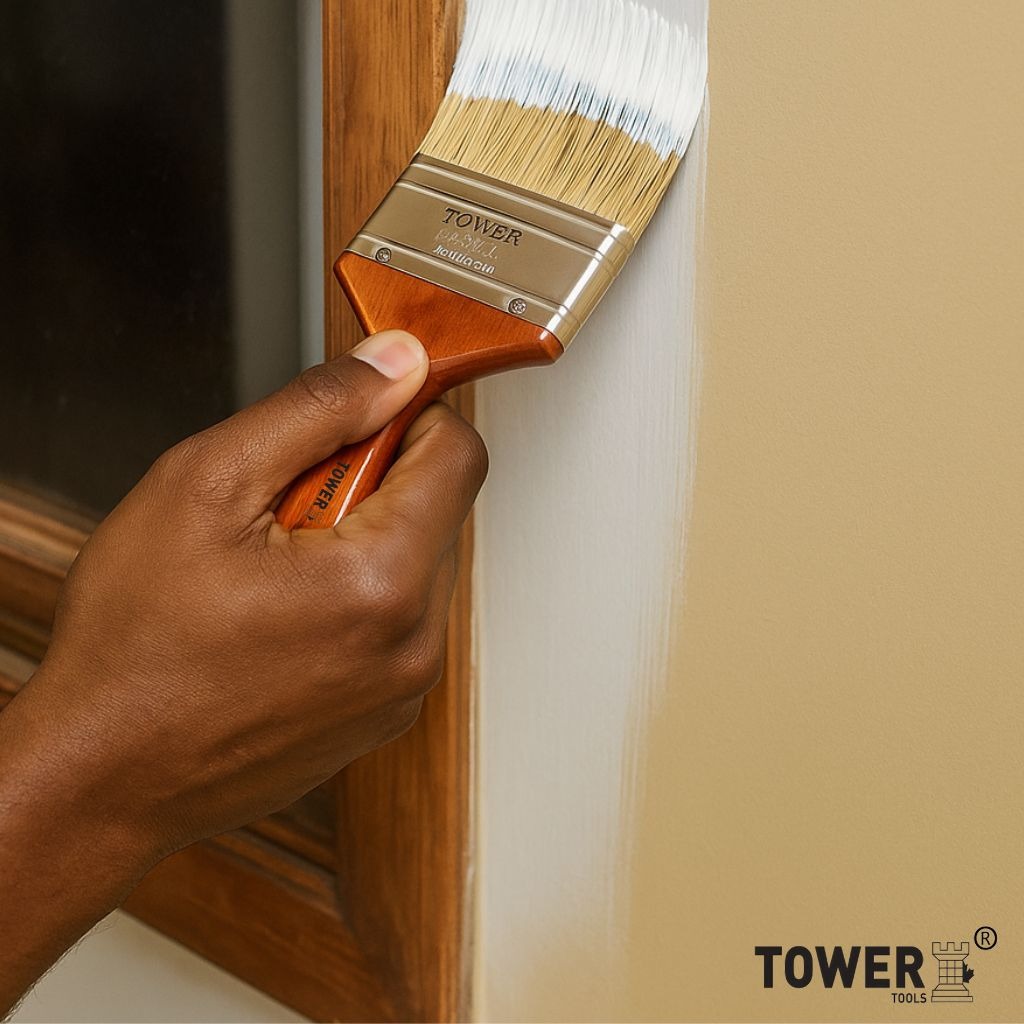

Thinking about starting a blog for your company, Towertools.ae? That’s a smart move. A blog can be a great way to share information and connect with customers. We’ll look at some ideas for content, focusing on paint scrapers and related items, which seem like a popular category on your site. Let’s get this blog rolling with some practical topics that people actually search for.
Table of Contents
Key Takeaways
- Understand the different types of paint scrapers available, from general-purpose ones to those designed for difficult jobs.
- Learn about useful accessories like replacement blades and safety gear that go with paint scrapers.
- Discover how to prepare various surfaces like wood, metal, and walls for painting by using the right scraping methods.
- Get tips on how to keep your paint scrapers in good working order, including cleaning and sharpening.
- Find out where to get good quality paint scrapers and accessories in Dubai, focusing on durability and professional use.
Essential Paint Scrapers For Your Projects
When you’re tackling a painting job, whether it’s a small touch-up or a full room makeover, having the right tools makes all the difference. And when it comes to prep work, a good paint scraper is your best friend. It’s not just about scraping off old paint; it’s about getting a clean, smooth surface so your new paint looks its best. A quality scraper can save you a lot of time and effort.
Versatile Paint Scrapers
These are the workhorses of the scraping world. Think of them as your go-to for general paint removal. They usually have a flat, sturdy blade, often rectangular or slightly curved, attached to a handle. You can use them for a lot of different tasks, like lifting loose paint, cleaning up dried drips, or even smoothing out minor imperfections on surfaces. They’re great for broad areas where the paint is already flaking off.
Specialized Scrapers For Tough Jobs
Sometimes, you run into paint that’s really stuck on there, or you need to get into tight corners. That’s where specialized scrapers come in. You’ve got things like:
- Putty Knives: These are smaller and more flexible, perfect for getting into nooks and crannies or applying filler.
- Corner Scrapers: Designed with angled blades to get right into inside and outside corners without damaging the wall.
- Long-Handled Scrapers: These give you more reach and leverage, which is handy for larger areas or when you want to stand up while you work.
Ergonomic Handle Paint Scrapers
Let’s be honest, scraping can be tough on your hands. If you’re doing a lot of scraping, an ergonomic handle is a game-changer. These handles are shaped to fit comfortably in your hand, reducing strain and fatigue. They often have a rubberized grip for better control and comfort, especially during long work sessions. Your hands will thank you later.
Choosing the right scraper isn’t just about the blade; it’s also about how it feels in your hand and how well it handles the specific job you’re facing. Don’t underestimate the power of a comfortable grip when you’re working for hours.
Choosing The Right Paint Scraper Accessories
So, you’ve got your paint scraper, which is great. But to really get the most out of it, especially for those bigger jobs or when you need a really clean finish, you’ll want to think about the accessories. These aren’t just add-ons; they can actually make a big difference in how well your scraper works and how long it lasts. Having the right accessories means you’re prepared for almost any scraping task.
Replacement Blades For Scrapers
Blades get dull, it’s just a fact of life with tools. When your scraper starts to struggle, it’s probably not the scraper itself, but the blade. Having a few replacement blades on hand is a smart move. You can get different types, too. Some are good for general scraping, while others are designed for really tough stuff like old, hardened paint or even some adhesives. Swapping out a dull blade for a sharp new one is like giving your scraper a whole new life. It makes the job go faster and you get a cleaner result without having to push so hard.
Scraper Guards And Safety Gear
Safety first, right? When you’re not using your scraper, or even when you are, keeping the sharp edges protected is important. Scraper guards are simple plastic or rubber covers that slip over the blade. They stop you from accidentally cutting yourself when you’re reaching into your toolbox or carrying it around. Beyond just guards, think about gloves. A good pair of work gloves can protect your hands from splinters, sharp edges, and even some chemicals you might encounter when scraping paint. It’s easy to forget about this stuff, but a little bit of caution goes a long way.
Cleaning Tools For Your Scrapers
After you’re done scraping, you don’t want to just toss your scraper aside. Cleaning it properly helps it last longer and work better next time. You don’t need anything fancy. A stiff brush is usually enough to get paint and debris off the blade and handle. For really stubborn gunk, a little bit of solvent might be needed, but make sure to check what’s safe for your scraper’s material. Wiping it down and letting it dry completely before storing it will help prevent rust, especially on metal parts. Keeping your tools clean is part of the job, really.
Taking care of your tools, even the simple ones like paint scrapers, means they’ll be ready when you need them. It saves you money in the long run because you won’t have to replace them as often, and it makes your work a lot easier.
Paint Scrapers For Various Surfaces
When you’re working on a project, the surface you’re dealing with really matters. Using the right scraper can make a huge difference in how well the job goes and how good the final result looks. It’s not just about scraping; it’s about preparing the surface properly.
Wood Surface Paint Removal
Getting old paint off wood can be tricky. You want to remove the paint without damaging the wood underneath. For this, a scraper with a wider, flatter blade often works best. It lets you cover more area at once. Sometimes, you might need a scraper with a slightly curved blade to get into nooks and crannies on things like furniture or trim. Always scrape with the grain of the wood to avoid gouging it. If the paint is really stubborn, a bit of heat from a heat gun can soften it up, making it much easier to scrape away.
Metal Surface Paint Preparation
Metal surfaces often need a good clean before painting. This usually means getting rid of rust, old paint, or grime. For metal, you can often be a bit more aggressive. Scrapers with sturdy, sharp blades are good here. You might even use a scraper with a more pointed tip for getting into tight spots or lifting thicker layers of rust. A wire brush attachment on a drill can also be a good partner to a scraper for really tough metal jobs. Remember, a clean metal surface is key for new paint to stick well.
Wall And Plaster Paint Scraping
Walls and plaster can be delicate. You’re often dealing with layers of old paint, wallpaper paste, or maybe even some loose plaster. A flexible scraper blade is your friend here. It can bend slightly to follow the contours of the wall without digging in too hard. For larger areas, a wide scraper can speed things up. If you find loose plaster, you’ll want to scrape that away completely before you do any patching or repainting. It’s better to remove the weak bits now than have them fall off later.
Taking your time and using the correct scraper for the job prevents you from having to do more work later. It’s all about preparation and using the right tool for what you’re trying to achieve.
Maintaining Your Paint Scrapers
Keeping your paint scrapers in good shape means they’ll work better and last longer. It’s not complicated, but a little attention goes a long way. Think of it like taking care of any good tool; it just makes sense.
Sharpening Scraper Blades
A dull scraper is a frustrating scraper. It’s much harder to get clean lines, and you end up pushing paint around instead of removing it. Regularly check the edge of your scraper blade. If it feels rough or isn’t cutting cleanly, it’s time to sharpen it. You can use a sharpening stone or a file for this. Just be careful to maintain the original angle of the blade. Some blades can be flipped over when one edge gets worn, giving you a fresh cutting surface. For more on keeping blades sharp, check out resources on tool maintenance.
Cleaning And Rust Prevention
After you finish a job, give your scraper a good wipe-down. Paint residue can harden and make the tool difficult to use next time. A damp cloth usually does the trick. If you’ve used solvents, make sure to clean those off too. For metal parts, a light coating of oil can help prevent rust, especially if you live in a humid area or store your tools for a while. Just a thin layer is all you need.
Proper Storage For Longevity
Where you keep your scrapers matters. Avoid just tossing them into a toolbox where they can bang against other tools. This can nick the blade or damage the handle. Ideally, store them in a way that protects the blade. Some scrapers come with a protective sheath, which is great. If yours doesn’t, you can get creative. Maybe a piece of cardboard folded over the blade, or a dedicated slot in a tool organizer. Keeping them dry is also key to preventing rust.
Taking a few minutes to clean and properly store your paint scrapers after each use will save you a lot of hassle down the line. It ensures they’re ready for your next project and perform as they should.
Professional Paint Scraping Techniques
Getting paint off a surface can be a real chore, but with the right approach, it doesn’t have to be a nightmare. It’s all about knowing how to use your tools and what to expect. Mastering these techniques will save you time and effort on your next project.
Effective Paint Removal Strategies
When you’re faced with old paint, the method you choose really matters. For large, flat areas, a wide scraper can make quick work of it. Just keep the blade at a low angle to the surface to avoid gouging. If the paint is really stubborn, a little heat from a heat gun can soften it up, making it much easier to scrape away. Always work in small sections so the paint doesn’t re-harden before you get to it. For curved or detailed areas, you might need a smaller, more nimble scraper. It’s about picking the right tool for the job, plain and simple.
- Heat Gun Use: Apply heat evenly and test paint softness frequently. Don’t overheat the surface.
- Scraping Angle: Maintain a shallow angle (around 30 degrees) to lift paint without damaging the underlying material.
- Direction: Scrape with the grain of the wood if applicable, or in consistent strokes on other surfaces.
Surface Preparation Best Practices
Before you even think about scraping, take a moment to prep the area. This makes the whole process smoother. Cover up anything you don’t want to get paint dust or chips on — furniture, floors, you name it. If you’re working indoors, good ventilation is a must.
Sometimes, a quick wipe-down of the surface with a damp cloth can remove loose dirt and grime, helping your scraper glide better. For really tough, caked-on paint, a chemical stripper might be an option, but always follow the product instructions carefully and wear protective gear.
Preparing the surface properly is half the battle. It prevents damage and makes the scraping itself much more efficient. Don’t skip this step!
Achieving A Smooth Finish
Once the bulk of the paint is off, you’re not quite done. The goal is a surface ready for its next coat. After scraping, you’ll likely have some rough spots or leftover residue. This is where finer scraping and sanding come in. Use a finer grit sandpaper to smooth out any ridges left by the scraper. If you used a chemical stripper, make sure to neutralize it according to the manufacturer’s directions. A final wipe-down to remove all dust is key. A smooth surface is the foundation for a great paint job.
- Post-Scraping Sanding: Use sandpaper appropriate for the surface material to smooth out imperfections.
- Cleaning: Remove all dust and debris with a tack cloth or damp rag.
- Inspection: Check the surface under good light for any missed spots or rough areas before proceeding.
Finding Quality Paint Scrapers In Dubai
Reliable Suppliers For Tools
When you’re looking for good paint scrapers in Dubai, you’ve got a few options. It’s not just about walking into the first store you see. Think about places that specialize in tools, whether they’re big hardware chains or smaller, independent shops. Sometimes, the best finds are in places that cater specifically to tradespeople. They often have a better selection of durable, professional-grade tools.
Don’t be afraid to ask the staff for their recommendations; they usually know what works well and what lasts. Checking out online marketplaces can also be a good move, but always try to buy from sellers with good reviews. It’s a bit of a hunt, but finding a reliable supplier means you’ll get tools that won’t let you down when you need them most.
Understanding Tool Durability
Durability is key when you’re picking out a paint scraper. You don’t want something that bends or breaks after a few uses, especially if you’re tackling a big job. Look at the materials. Are the blades made of sturdy steel? Is the handle solid and well-attached? A scraper that feels heavy and well-built is usually a good sign. Sometimes, you can tell just by holding it. Does it feel balanced? Does the blade seem like it can take a beating? Cheap tools might seem like a bargain at first, but they often end up costing more in the long run because you have to replace them. For tough jobs, investing a little more upfront in a well-made scraper will save you hassle later.
Selecting Tools For Professional Use
If you’re using these tools for work, you need to be a bit more picky. Professionals often look for specific features. For example, some scrapers have replaceable blades, which is great because you can just swap out a dull or damaged one instead of buying a whole new tool. Others have angled heads for getting into tight spots or very wide blades for covering large areas quickly. Think about the types of surfaces you’ll be working on most often. Are you scraping paint off wood, metal, or plaster? Different blades and scraper designs are better suited for different materials. It’s worth spending a bit of time figuring out what kind of work you do most and then finding a scraper that fits those needs perfectly. A good scraper isn’t just a tool; it’s an investment in your work.
Wrapping Up Your Company Blog
So, you’ve got this idea to start a blog for your company, Towertools.ae. It’s a good move. A blog can really help people get to know what you do and the kind of tools you have. Think of it as a place to share helpful tips, show off new products, or just talk about what’s happening in the world of tools. It doesn’t have to be complicated. Just keep it real, share what you know, and be consistent. Your customers will appreciate having a go-to spot for information. Give it a shot, and see where it takes you.
Frequently Asked Questions
What is a paint scraper and why do I need one?
A paint scraper is a tool with a flat, sharp blade used to remove old paint, wallpaper, or other stuck-on stuff from surfaces. You’ll need one for projects where you have to get rid of old layers before you can paint or fix something.
Are there different kinds of paint scrapers?
Yes, there are! Some are good for general scraping, like flat ones. Others are made for tricky spots or really tough jobs, maybe with curved blades or special shapes. It’s good to pick the right one for what you’re doing.
What should I look for when buying a paint scraper?
You should check if the handle feels comfy in your hand and if the blade is strong and sharp. Also, think about what you’ll be scraping — some blades are better for wood, others for metal or walls.
How do I keep my paint scraper in good shape?
To make your scraper last, clean it after you use it to get rid of paint bits. You can also sharpen the blade if it gets dull. Storing it somewhere dry will stop it from rusting.
Can I use a paint scraper on any surface?
You can use them on many surfaces like wood, metal, and walls, but you need to be careful. Always check if the scraper is right for the material and use gentle pressure so you don’t damage the surface underneath.
Where can I find good quality paint scrapers in Dubai?
You can find good tools at reputable hardware stores and suppliers that focus on professional tools. Look for brands known for making durable equipment. Asking store staff for recommendations can also help you find the best option for your needs.