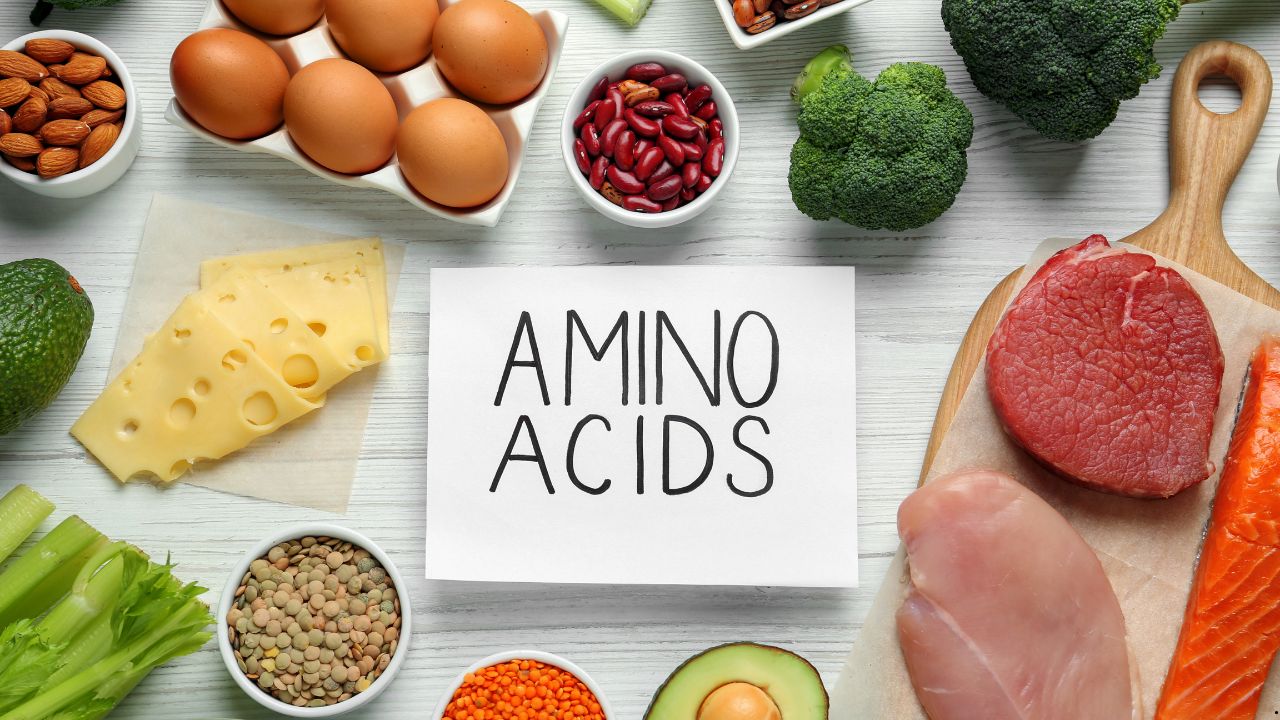
The human body relies on specific nutrients to support muscle function, recovery, and overall health. Incorporating essential amino acids into a nutrition plan plays a critical role in maintaining muscle tissue, supporting physical performance, and aiding recovery after exercise. Unlike other nutrients, essential amino acids cannot be produced by the body and must be obtained through diet or supplementation, making their intake especially important for active individuals.
Table of Contents
How Amino Acid Supplements Support Muscle Recovery
Using amino acid supplements provides a convenient way to ensure the body receives sufficient amino acids, particularly during periods of intense training or restricted diets. These supplements deliver amino acids directly into the bloodstream, supporting rapid muscle repair and reducing muscle breakdown after exercise.
Supporting Muscle Protein Synthesis
Muscle protein synthesis is the process through which the body repairs and builds muscle tissue. Essential amino acids, particularly leucine, play a key role in activating this process. Adequate intake supports muscle maintenance and growth, making amino acids essential for athletes and active individuals.
Reducing Muscle Fatigue During Training
During prolonged or intense exercise, amino acid levels can become depleted. Supplementation helps reduce muscle fatigue by supporting energy production and limiting muscle breakdown. This allows individuals to train more consistently and recover more efficiently between sessions.
Amino Acids and Endurance Performance
Endurance athletes benefit from essential amino acids by supporting muscle preservation during long training sessions. Amino acids help maintain muscle integrity when energy demands are high. This support reduces the risk of excessive muscle breakdown during extended activity.
Role of Amino Acids in Strength Training
For strength-focused training, amino acids support muscle repair following resistance exercise. Consistent intake helps minimise soreness and accelerates recovery. This allows individuals to maintain training intensity and achieve progressive strength gains.
Supporting Lean Muscle During Calorie Deficits
When calorie intake is reduced, the body may break down muscle tissue for energy. Essential amino acids help preserve lean muscle mass during weight management phases. This preservation supports metabolic health and maintains strength levels.
Improving Recovery Speed and Training Frequency
Faster recovery allows athletes to train more frequently without excessive fatigue. Amino acids support this process by providing the nutrients needed for muscle repair. Improved recovery contributes to better training consistency and performance progression.
Amino Acids and Immune System Support
Physical training places stress on the immune system. Amino acids support immune function by contributing to the production of antibodies and immune cells. Maintaining adequate intake helps reduce the risk of illness during intense training periods.
Mental Focus and Physical Performance
Amino acids also play a role in neurotransmitter production, influencing focus and mental clarity. Adequate amino acid intake supports cognitive function during training and competition. Additionally, modern tools like digital health tracking tools can help monitor nutrient intake and performance.
Who Benefits Most From Amino Acid Supplementation
Athletes, fitness enthusiasts, and individuals with physically demanding lifestyles benefit from amino acid supplementation. Those following plant-based or restricted diets may also find supplementation useful to meet nutritional needs. Professional guidance helps determine appropriate intake levels.
Safety and Quality Considerations in Supplement Use
Choosing high-quality amino acid supplements is essential for safety and effectiveness. Products should be sourced from reputable manufacturers and used according to recommended guidelines. Responsible supplementation supports health and performance goals without unnecessary risk.
Timing Amino Acid Intake for Optimal Results
Amino acids can be consumed before, during, or after exercise depending on individual needs. Pre-training intake supports energy availability, while post-training intake aids recovery. Timing strategies enhance the effectiveness of supplementation.
Comparing Whole Protein and Amino Acid Supplements
Whole protein sources provide amino acids alongside additional nutrients, while amino acid supplements deliver rapid absorption. For more guidance on choosing the right protein supplement, check out our lean protein powder benefits guide. Both approaches can be effective when used appropriately.
Supporting Long-Term Muscle Health
Consistent intake of essential amino acids supports muscle health over time. Maintaining muscle mass contributes to strength, mobility, and metabolic function as individuals age. This long-term benefit makes amino acids valuable beyond athletic contexts.
Amino Acids and Injury Prevention
Adequate amino acid intake supports tissue repair and resilience. Stronger muscles and connective tissues reduce injury risk during physical activity. This protective effect supports long-term training consistency.
Adapting Amino Acid Intake to Training Demands
Training intensity and volume influence amino acid requirements. Intake may need adjustment during high-intensity phases or competition periods. Adaptability ensures nutritional support aligns with physical demands.
Why Amino Acid Supplementation Continues to Grow
Increased awareness of performance nutrition has driven interest in amino acid supplementation. Their role in recovery and muscle preservation aligns with modern training approaches. Ongoing research continues to support their effectiveness.
Building Stronger Performance Through Essential Amino Acids
Essential amino acids form the foundation of effective muscle repair and performance support. By supplying the body with these critical nutrients, individuals can train harder, recover faster, and maintain muscle health. This targeted approach enhances both short-term results and long-term physical well-being.