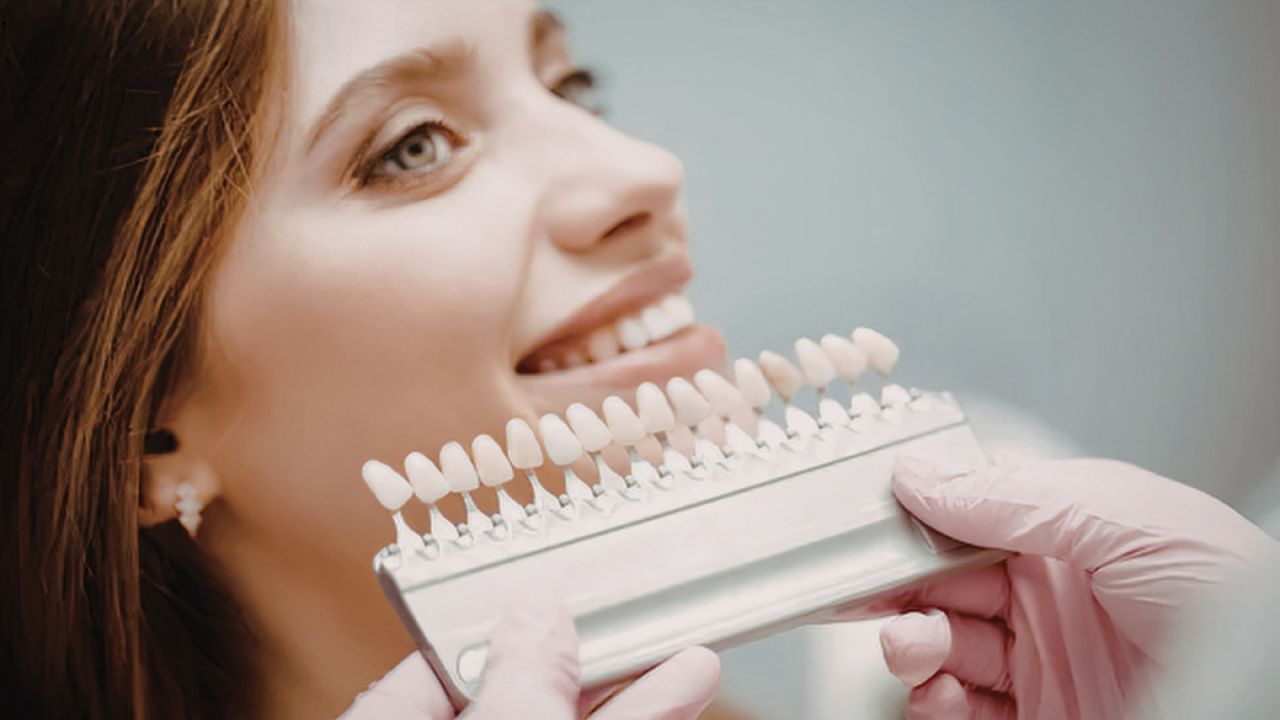
Choosing someone to work on your smile is personal. You want teeth that look natural and feel strong. You also want a plan that respects your time, money, and fears. The right cosmetic and restorative dentist listens first. Then this person explains options in plain words and gives you clear choices. Many people rush this decision and later feel regret or shame. You deserve better. This guide shares six clear tips to help you find an Albany dentist who can repair damage, replace missing teeth, and improve your smile in a way that fits your life. You will learn what to look for, what to ask, and what to avoid. You will also see how training, tools, and trust all matter. By the end, you will feel ready to choose with calm and strength.
Table of Contents
Tip 1: Check Training and Experience
You trust your mouth to this person. Training and experience matter.
Look for:
- A current license in your state
- Extra courses in cosmetic and restorative care
- Years of practice with crowns, implants, veneers, and dentures
You can confirm a license through your state dental board. You can also read clear guidance from the National Institute of Dental and Craniofacial Research on how to find and check a dentist.
Ask direct questions:
- How many cases like yours does the dentist treat each month
- What results you can expect
- What problems sometimes come up and how they are handled
Trust grows when answers are simple and honest. If you feel brushed off, pay attention to that feeling.
Tip 2: Review Photos And Past Results
You need proof, not promises. Before and after photos show how the dentist works.
Ask to see:
- Cases that look close to your teeth and your goals
- Photos from different angles
- Results one year or more after treatment when possible
Notice three things:
- Color. Do the teeth match the person’s face and gums?
- Shape. Do the teeth look natural, not too square or too long?
- Gums. Do the gums look calm and even?
Real photos build trust. Stock images and perfect smiles with no story do not help you judge skill.
Tip 3: Understand Services and Technology
Your mouth may need more than one type of care. You gain time and comfort when one office can handle most of it.
Ask if the office offers:
- Fillings and crowns
- Bridges, implants, and dentures
- Veneers and bonding
- Whitening that protects enamel
Then ask about tools. New tools can mean fewer visits and more comfort.
- Digital X-rays, which use less radiation than older films
- Digital scans instead of messy impressions
- In office crown systems that can make crowns in one visit in some cases
If you want care that supports both appearance and long-term dental health, learning about the benefits of a family cosmetic dentist can help you understand your options better. This helps you match what you hear in the office with clear public guidance.
Tip 4: Compare Costs, Insurance, and Payment Options
Money stress can stop you from getting care. A good office speaks clearly about costs.
Ask for written plans that show:
- Each procedure
- The fee for each step
- What your insurance may cover
- Your cost if you pay yourself
Here is a simple sample comparison table. These are sample ranges only. Actual fees in your city may differ.
| Treatment | Typical Purpose | Estimated Cost Range (per tooth) | Often Covered By Insurance |
|---|---|---|---|
| Tooth colored filling | Repair small decay | $150 to $350 | Yes, partly |
| Crown | Protect weak or broken tooth | $1,000 to $1,800 | Yes, partly |
| Dental implant with crown | Replace missing tooth | $3,000 to $5,500 | Sometimes, often limited |
| Porcelain veneer | Change shape and color | $900 to $2,000 | Rarely |
| Full denture | Replace full arch of teeth | $1,500 to $3,500 | Often, partly |
Also ask about payment plans. Ask how the office handles changes in the plan so you do not face surprise bills.
Tip 5: Notice Communication and Comfort
Your comfort is as important as your teeth. Fear or past hurt can make dental visits hard. A strong dentist respects that.
During your first visit, notice three things:
- Listening. Does the dentist pause and let you speak?
- Clarity. Do you understand the words used to describe your mouth?
- Consent. Does the team ask before each step and explain what you may feel?
Ask about ways the office reduces stress:
- Short breaks during long visits
- Music, blankets, or dark glasses
- Medication options for strong fear when safe for your health
You should leave the visit feeling heard, not pushed. Respect during simple cleanings often predicts respect during complex work.
Tip 6: Evaluate Long Term Planning And Follow Up
Cosmetic and restorative work is not a quick fix. It is a long-term commitment. You need a guide, not just a technician.
Ask the dentist to map out:
- What must be done now to stop pain or infection
- What can wait and why
- What the full plan looks like over months or years
Then ask about follow up:
- How often you should return for checks
- How problems with crowns, veneers, or implants will be handled
- What is covered under repair or warranty policies
A clear plan protects your health and your wallet. It also gives you control. You know what comes next and why.
Putting It All Together
When you choose a cosmetic and restorative dentist, you choose more than a smile. You choose how you feel when you eat, talk, and laugh. You also choose how safe you feel in the chair.
Use these six steps:
- Confirm training and experience
- Study real photos and results
- Understand services and tools
- Compare costs and payment choices
- Judge communication and comfort
- Review long-term planning and follow up
Take your time. Ask hard questions. Walk away if something feels wrong. You deserve care that respects your body, your story, and your limits. With clear facts and calm thought, you can choose a dentist who helps you smile without fear.