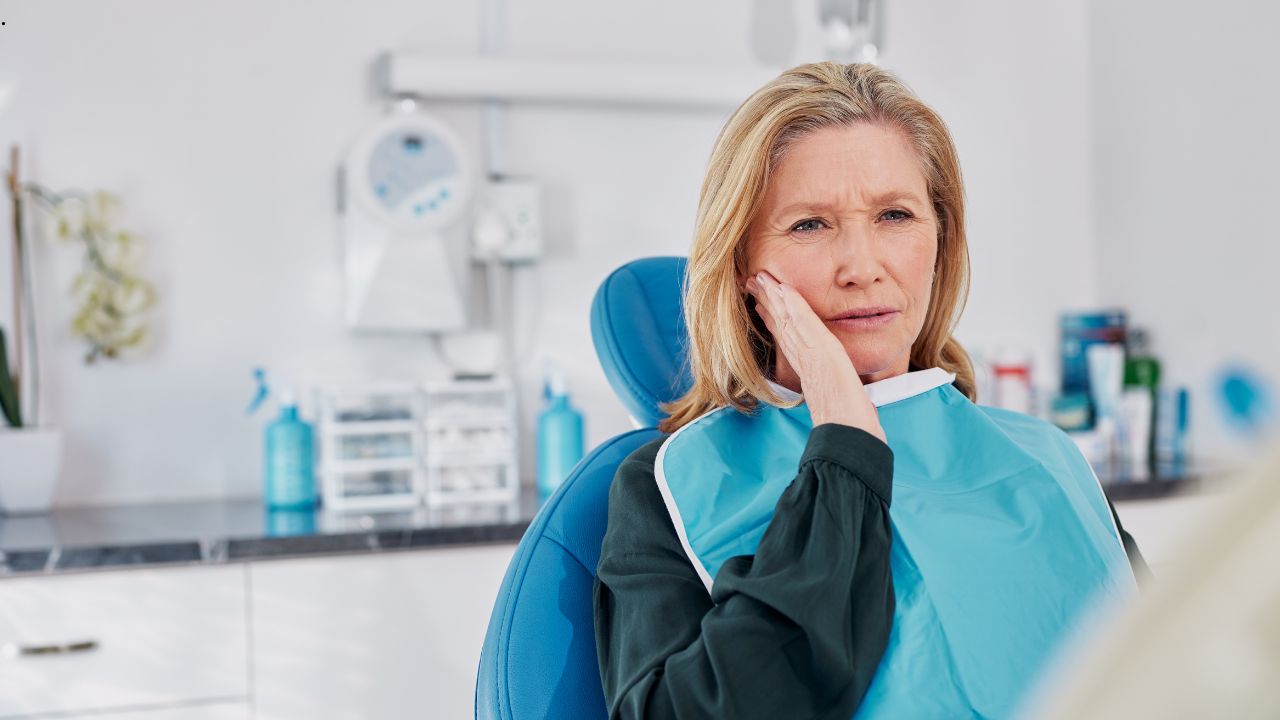
Tooth sensitivity can feel sharp, sudden, and distracting. It can also make you nervous about getting the bright, even smile you want. You might fear that whitening, bonding, or other cosmetic work will trigger more pain. You do not need to choose between comfort and appearance. Modern care can protect your teeth while still improving how they look. You can lower sensitivity before treatment. You can control it during visits. You can prevent it from returning later. Weston dentistry now uses gentle methods, careful planning, and simple daily habits to keep teeth calm. This blog explains why teeth become sensitive, which cosmetic options are kinder to your enamel, and what steps you can take at home. You will see how small changes in products, timing, and technique can protect your teeth and still support a natural, confident smile.
Table of Contents
Why your teeth feel sensitive
Teeth respond to cold, heat, touch, and sweets when the inner layer is exposed. That layer holds tiny tubes that lead to the nerve. When these tubes are open, pain follows.
Common causes include:
- Worn enamel from hard brushing or grinding
- Receding gums that uncover the root
- Tooth decay or broken fillings
- Recent whitening or other cosmetic work
The National Institute of Dental and Craniofacial Research explains that weakened enamel and decay raise the risk for pain and future problems. When you understand the cause, you can choose cosmetic care that respects those weak spots. Building smart oral health habits can also help reduce sensitivity and improve long-term dental comfort.
Set your goals before treatment
Before you change your smile, you need three clear goals.
- Relief from daily sensitivity
- Safe plans for color, shape, and alignment
- Simple steps you can keep at home
Tell your dentist where and when teeth hurt. Use plain words. Point to teeth. Describe what sets off the pain. Cold water. Air. Sweet food. Light pressure. This gives your dentist a map. Then you can shape treatment that respects your limits.
How common cosmetic choices affect sensitivity
Every cosmetic step has pros and tradeoffs. You can match your choice to your comfort level. The table below gives a quick view.
| Treatment | Effect on Sensitivity | Best For | Key Comfort Strategy |
|---|---|---|---|
| In office whitening | Short term spike in many people | Fast color change | Use numbing gel and shorter sessions |
| Take home whitening trays | Mild to moderate rise | Slow, steady brightening | Lower strength gel and skip days |
| Bonding | Low when tooth is healthy | Chips, gaps, worn edges | Gentle surface prep only |
| Porcelain veneers | Short-term rise if much enamel is removed | Shape, color, and spacing changes | Conservative trimming and strong numbing |
| Clear aligners | Usually no thermal sensitivity | Crooked or crowded teeth | Use chewies and track fit, not tightness |
| Tooth colored fillings | May feel tender at first | Cavities and worn spots near gums | Good bite adjustment and fluoride use |
Lower sensitivity before cosmetic work
You can toughen teeth and calm nerves before any visit. That step protects your comfort and your results.
Use these three moves for at least two weeks before treatment.
- Brush with a fluoride paste for sensitive teeth twice a day
- Place a pea-sized dot of the same paste on sensitive spots at night and leave it
- Switch to a soft toothbrush and gentle strokes
The Centers for Disease Control and Prevention note that fluoride supports enamel and lowers decay. Stronger enamel often means less pain from cold and sweets.
Plan whitening that respects comfort
If you want whiter teeth and you already feel sensitivity, you need a slow and careful plan. Choosing professional teeth whitening care can help you brighten your smile while keeping discomfort under control.
Ask your dentist to:
- Check for cavities, cracks, and gum problems first
- Use lower strength whitening gel
- Shorten each whitening session
- Add fluoride or a desensitizing product right after each visit
At home, you can protect teeth by:
- Skipping whitening on days when teeth feel sore
- Avoiding ice-cold drinks for a few hours after each session
- Brushing gently with warm water instead of cold
Choose cosmetic options that protect enamel
If whitening feels too hard on your teeth, you still have options.
You can ask about:
- Bonding to cover dark spots or worn edges
- Micro contouring to smooth sharp corners
- Partial veneers that keep more enamel
Each option can improve shape and color while keeping more of your natural tooth. Less removal of enamel often means less long term sensitivity.
Comfort steps during the visit
You have a right to comfort. You also have a right to clear choices.
During treatment, you can request:
- Topical numbing on teeth and gums before any injection
- Short breaks if pain starts to build
- Cool air directed away from known sensitive teeth
- Rubber shields or gels that cover roots near the work site
Create a hand signal before care starts. That gives you control if pain rises. Your dentist can then pause, add numbing, or change the plan.
Protect your results and your comfort at home
After cosmetic work, the way you care for your mouth can keep both beauty and comfort.
Use this simple routine every day.
- Brush twice a day with a fluoride paste for sensitive teeth
- Floss once a day to stop plaque near the gumline
- Limit very acidic drinks and use a straw when you can
If you grind or clench, ask for a night guard. That thin shield can stop more wear and slow new sensitivity.
When to seek help fast
Call your dentist soon if you notice:
- Pain that lasts more than thirty seconds after cold or heat
- Throbbing that wakes you at night
- Swelling or a pimple on the gum
- Sharp pain when you bite down
These signs can point to decay, a cracked tooth, or nerve damage. Early care can often save the tooth and protect your cosmetic work.
Balancing comfort and confidence
You do not need to suffer for a better smile. When you name your pain, plan ahead, and choose gentle methods, you protect both comfort and appearance. With clear steps, you can calm sensitive teeth and still reach a bright, even, natural look that feels steady during every sip, bite, and smile.