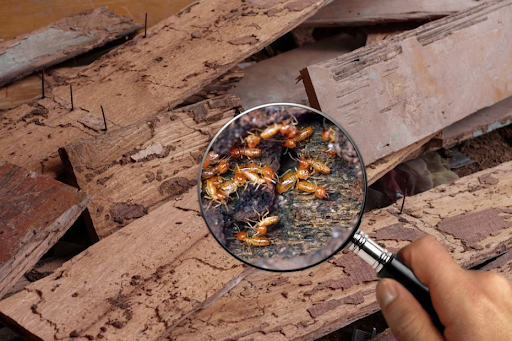

Most Canberra residents don’t realise their homes sit in one of Australia’s hidden termite hotspots. The red gum eucalypts surrounding the city create perfect conditions. Underground moisture from the Molonglo River system makes things worse. Many older suburbs used Oregon timber framing, and termites find it irresistible. Termite inspections in Canberra aren’t routine maintenance. They’re essential because local conditions stack the odds against homeowners from day one.
Table of Contents
Understanding the Termite Threat
Inspectors rarely mention this upfront, but termites can breach a home’s perimeter in under three months after treatment wears off. They don’t eat timber randomly either. Coptotermes species are the most destructive type around Canberra. They target load-bearing structures first. Decorative timber gets bypassed completely. They go straight for wall studs and floor joists. The damage happens where it hurts most—in the structural skeleton holding everything together.
What Inspections Reveal
Thermal imaging cameras pick up temperature differences as small as 0.1 degrees. Termite activity generates measurable heat signatures. These look completely different from normal moisture damage. Experienced inspectors tap timber with specific tools. They detect hollow sounds humans can’t distinguish with bare knuckles. The real skill? Knowing which wall cavities to check. Termites travel along concrete edges. They follow plumbing penetrations because these areas collect condensation. Inspectors spend extra time around bathroom walls and laundry areas. Homeowners assume these spots are safe because they’re “not near trees.” Wrong.
Protecting Property Value
Insurance companies track termite damage claims by suburb. Certain Canberra postcodes trigger automatic underwriting reviews. Properties in Yarralumla, Deakin, and parts of Weston Creek face higher scrutiny. Geological surveys show these areas have naturally high soil moisture. A documented inspection history doesn’t just maintain property value. It speeds up insurance payouts if damage occurs. Adjusters settle claims faster when they see regular professional monitoring. It proves the damage wasn’t caused by neglect.
Seasonal Considerations
October through March is swarming season. But that’s not when inspections matter most. The critical window is April to June, right after colonies establish new nests. Fresh colonies are aggressive feeders. They cause the fastest structural damage. Winter inspections catch these young colonies before they mature. Massive nests become exponentially harder to eliminate. Canberra’s frost doesn’t kill termites either. They just move deeper underground or into warmer wall cavities where heaters run.
Prevention Strategies
Bluestone and brick veneer homes give people false confidence. Termites can’t eat masonry, true. But they squeeze through gaps as thin as a business card to reach timber frames behind bricks. Air conditioning units create overlooked vulnerabilities. Installers rarely seal wall penetrations properly. These become termite highways straight into wall cavities. Garden mulch within a metre of the house is another mistake. Wood chip mulch holds moisture and attracts foraging termites. It’s essentially laying out a welcome mat. Gravel borders work better because termites avoid crossing loose, dry materials. They’re exposed to predators and dehydration.
Commercial Property Requirements
Commercial buildings face unique problems with suspended slab construction. The void spaces beneath these slabs stay at constant temperatures. Humidity remains year-round. Termites love it. Retail tenancies create additional risks. Fit-outs often involve screwing timber directly into concrete slabs. This punctures termite barriers without anyone realising. Termite inspections in Canberra for commercial premises need to account for multiple tenants. They might be inadvertently creating entry points during renovations.
Choosing Qualified Professionals
Termite inspection licensing requires specific timber pest qualifications. General pest control certificates don’t cut it. The difference matters because termite behaviour requires specialised knowledge. Cockroach or rodent training doesn’t cover it. Inspectors should carry moisture meters, thermal cameras, and tap testing equipment as standard tools. Not just a torch and screwdriver. Ask whether they check roof voids. Many inspectors skip this area. Termites regularly nest in roof timbers near leaking gutters or damaged tiles.
Long-Term Property Management
Inspection reports expire faster than most people think. A property can go from clear to heavily infested within twelve months. Termite colonies underground suddenly redirect foragers after their previous food source runs out. Neighbours who treat their termite problems can push colonies toward your property. It’s like squeezing a balloon. The termites don’t disappear. They relocate. This is why consistent annual inspections matter more than one-off checks. Buildings change too. A minor plumbing leak develops between inspections. It creates the exact moisture conditions that turn a termite-free home into an active infestation site.
Professional inspections create a documented timeline. This proves when damage occurred. It becomes crucial for insurance disputes and legal issues. These records show patterns. Maybe every autumn brings moisture problems in the same corner. Maybe previous treatments are losing effectiveness. Termite inspections in Canberra give homeowners specific intelligence. They need it to make informed decisions about their biggest investment rather than just hoping their property stays lucky.