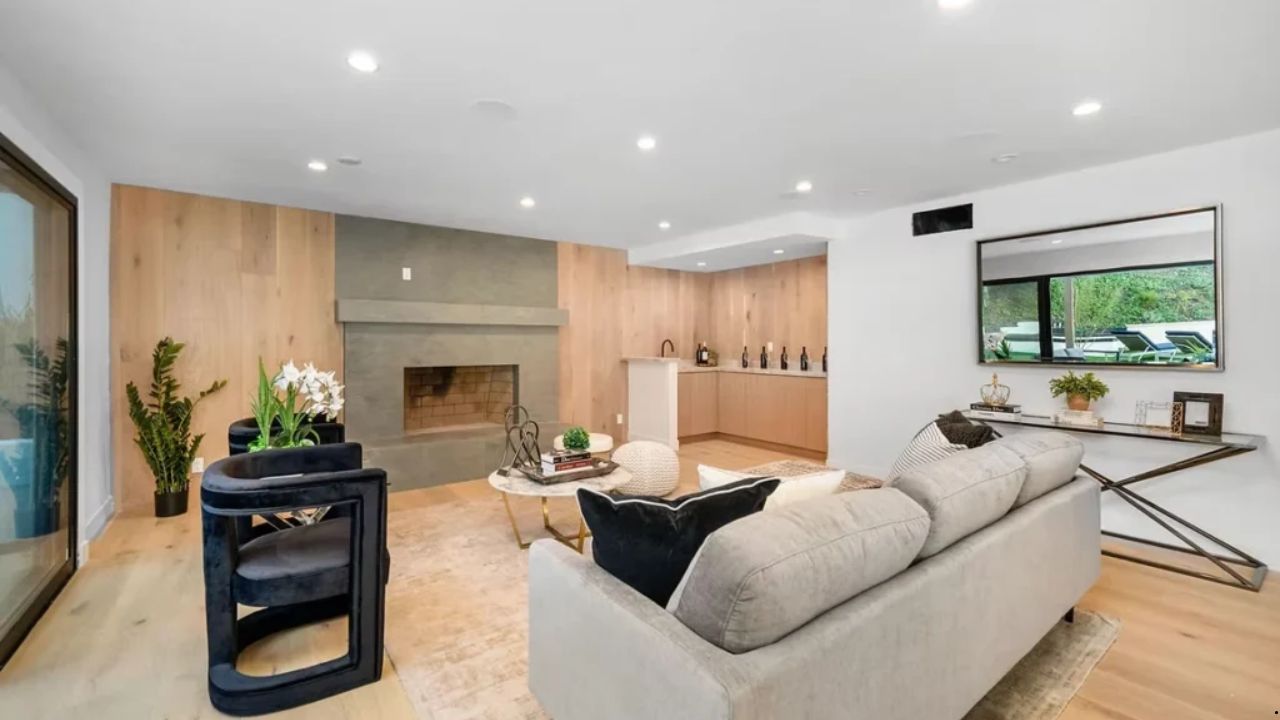

In the dynamic real estate landscape of Los Angeles, where inventory is tight and location is everything, homeowners are increasingly choosing to reinvent their current properties rather than relocate. A comprehensive renovation offers a unique opportunity to align a vintage structure with contemporary lifestyle demands without the upheaval of moving. Engaging in Whole Home Remodeling allows for a holistic approach to design, ensuring that every room, transition, and system works in unison. Unlike piecemeal updates, which often result in a disjointed aesthetic and conflicting mechanical systems, a full-scale remodel treats the house as a single, cohesive organism. This approach not only maximizes the functionality of the square footage but also significantly elevates the property’s long-term market value.
Table of Contents
The Cohesive Vision: Unifying Design Language
One of the most compelling arguments for a complete overhaul is the ability to establish a unified design language throughout the residence. When renovations are done room by room over several years, trends shift, and materials are discontinued, leading to a “patchwork” effect. A whole-home approach ensures that flooring flows seamlessly from the entryway to the kitchen, that molding profiles match in every room, and that the lighting temperature is consistent throughout.
Creating Flow and Connectivity
Modern living prioritizes open sightlines and fluid movement between zones. Older homes in Los Angeles, particularly those built in the mid-20th century, were often compartmentalized with distinct separation between formal and informal spaces. A full remodel provides the structural freedom to remove non-load-bearing walls, merge the kitchen with the living area, and create a “great room” environment that supports family interaction. Homeowners often take this opportunity to upgrade key entry points, including modern garage doors, to enhance both functionality and curb appeal. This structural reconfiguration is difficult to achieve in isolation; it requires a broad view of the home’s architecture to understand how changing one wall affects the load and flow of the entire building. By addressing the layout comprehensively, homeowners can eliminate dead zones and dark hallways, effectively increasing the usable square footage without actually expanding the home’s footprint.
The Psychological Impact of Continuity
There is a subtle but powerful psychological benefit to visual continuity. When the materials, color palettes, and architectural details harmonize across the home, it creates a sense of calm and order. This “quiet luxury” is achieved through repetition and variation, perhaps using the same stone from the kitchen island on the living room fireplace hearth, or carrying the wood tone of the flooring into the bathroom cabinetry. These intentional connections make the home feel larger and more curated, transforming it from a collection of rooms into a unified sanctuary.
Infrastructure and Efficiency: The Hidden Value
While the cosmetic transformation is the most visible aspect of a remodel, the true value of a whole-home project often lies behind the walls. Older homes are frequently burdened by outdated electrical wiring, corroded plumbing, and inefficient insulation. Addressing these issues in a piecemeal fashion is expensive and invasive.
A Fresh Start for Systems
Stripping a home down to its studs allows for a complete modernization of its infrastructure. This is the ideal time to upgrade the electrical panel to support modern appliances and electric vehicle charging, repipe the plumbing to prevent future leaks, and install high-efficiency HVAC systems with smart zoning. From a safety perspective, this is critical; it ensures that the home meets current building codes and fire safety standards. From a comfort perspective, it means consistent water pressure, reliable power, and a climate control system that actually works in every corner of the house.
The Energy Envelope
California has some of the strictest energy codes in the nation, and for good reason. A full renovation offers the chance to seal the building envelope tight. This includes replacing single-pane windows with double-glazed, low-emissivity models, upgrading attic and wall insulation, and installing cool roofing materials. These upgrades drastically reduce thermal transfer, keeping the home cool during the scorching Los Angeles summers and warm during the chilly winter nights. The result is a home that is not only more comfortable to live in but also significantly cheaper to operate, with lower monthly utility bills that offset the initial investment over time.
Future-Proofing for Lifestyle Changes
A house is a long-term asset, and a major remodel is the perfect time to anticipate future needs. The concept of “universal design” is gaining traction, which involves creating spaces that are accessible and functional for people of all ages and abilities.
Multigenerational Considerations
As multigenerational living becomes more common, renovations are increasingly including features that accommodate aging parents or adult children. This might involve widening doorways, installing curbless showers in the ground-floor bathroom, or reinforcing walls to support grab bars in the future. A whole-home approach allows these features to be integrated discreetly into the design, rather than added as institutional-looking afterthoughts. It also allows for the strategic placement of an Accessory Dwelling Unit (ADU) or a junior suite with a separate entrance, providing privacy and independence within the single-family context.
The Integration of Smart Technology
True smart home integration requires hardwired infrastructure, not just Wi-Fi-connected gadgets. A full remodel allows for the installation of structured wiring for data, audio, and security systems. Homeowners can install centralized lighting controls, automated shading systems, and integrated audio speakers flush with the ceiling. This level of technology improves security and convenience, allowing the homeowner to control every aspect of the home environment, from the temperature to the door locks, from a single interface, whether they are in the bedroom or halfway across the world.
The Investment Perspective
Finally, a whole-home remodel is a financial calculation. In the high-stakes Los Angeles market, buyers are increasingly discerning. They are willing to pay a premium for “turnkey” properties where they don’t have to worry about the roof leaking or the wiring failing. A comprehensive renovation signals to the market that the home is effectively new.
The return on investment (ROI) for a full remodel is generally higher than the sum of its parts because it eliminates the “deferred maintenance” penalty that plagues older homes. It positions the property in a higher tier of the market, attracting buyers who are looking for luxury and peace of mind. Furthermore, by staying in a neighborhood you already love and improving the asset you already own, you avoid the substantial transaction costs associated with selling and buying, agent commissions, transfer taxes, and moving fees, allocating that capital instead directly into the quality of your living space.
Embarking on a complete home renovation is a significant undertaking, but it is one that offers unparalleled rewards. It is the only way to truly customize a living environment to fit your specific needs while simultaneously securing the structural and mechanical integrity of the property for decades to come. By treating the home as a cohesive whole, you create a space that is efficient, beautiful, and deeply personal, a true legacy asset in the heart of Los Angeles.