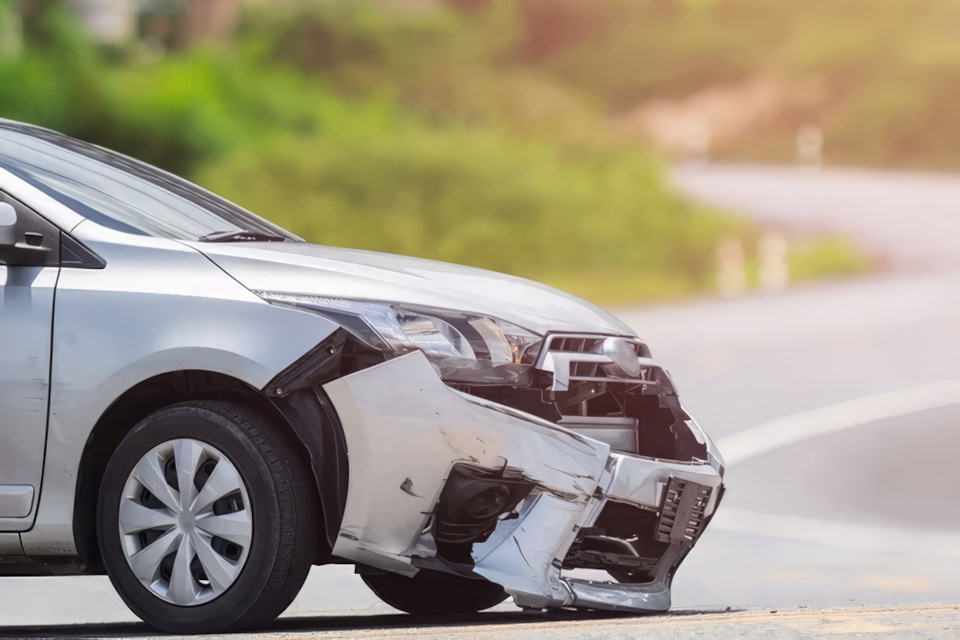

Every year, thousands of vehicles in Perth reach the end of their usable life — rusted, accident-damaged, or simply uneconomical to repair. Left unattended, these cars become environmental hazards: leaking oils and coolants, corroding metal, and bulky waste taking up space in backyards or illegal dumps. Fortunately, cash for cars in Perth offer a practical, profitable, and environmentally responsible solution. By incentivising owners to sell unwanted vehicles for cash, these services create a circular approach to vehicle disposal that reduces waste, recovers valuable materials, and lowers the environmental footprint of end-of-life cars.
Table of Contents
What “Cash for Cars” Actually Means
Cash-for-cars businesses buy unwanted vehicles — running or not — for immediate cash. In Perth, reputable buyers handle collection, paperwork, and often towing at no extra cost, making the process easy for sellers. But beyond the convenience and quick cash, the industry operates as the first step in a proper vehicle recycling chain: salvage, parts recovery, fluid extraction, shredding, and metal recycling. That chain is what makes cash-for-cars a powerful tool for reducing automotive waste.
Why Automotive Waste Matters in Perth
Cars contain a mix of materials: ferrous and non-ferrous metals, plastics, rubber, glass, and hazardous fluids. If abandoned or sent to the wrong kind of landfill, they can contaminate soil and groundwater. Old batteries leak acids and heavy metals; engine oils and coolants pollute; air-conditioning systems release refrigerants with global warming potential. Moreover, useful parts that could be reused or remanufactured are lost when vehicles are crushed without first being dismantled.
Perth — like other Australian cities — faces environmental pressures from growing urbanisation and limited landfill capacity. Encouraging the right disposal of end-of-life vehicles helps reduce pollution, conserves resources, and supports local industries that repair, remanufacture, and recycle vehicle parts.
How the Cash for Cars Process Cuts Waste — Step by Step
- Easy acquisition and removal
Cash-for-cars buyers pick up vehicles from your home, workplace, or an agreed location. Prompt removal prevents cars from decaying where they sit and reduces illegal dumping. Quick turnaround also decreases the chances of residual fluids leaking into the environment. - Responsible de-pollution
Before any crushing or shredding, professional operators drain oils, fuel, coolants, and other hazardous liquids. Batteries, mercury switches, and airbags are removed and processed separately. This controlled extraction prevents toxic substances from entering soil and waterways. - Parts salvage and reuse
Many components from end-of-life vehicles remain useful: engines, transmissions, alternators, starters, doors, glass, and interior fittings. Salvaged parts are inspected, refurbished if necessary, and sold as used parts. This reuse delays demand for raw manufacturing, saving energy and materials. - Material segregation and recycling
After salvage, vehicles are dismantled and separated into ferrous metals (steel), non-ferrous metals (aluminium, copper), plastics, and glass. Metals are melted down and reformed into new products; plastics and glass are sent for appropriate recycling streams. Recycling metals consumes far less energy than primary metal production, reducing greenhouse gas emissions. - Safe disposal of non-recyclables
Residual materials that can’t be reused or recycled are disposed of in compliance with environmental regulations, minimising contamination risk.
Environmental Benefits in Numbers (Conceptual)

While exact figures vary by region and year, the broad environmental advantages of recycling vehicles are clear:
- Recycling one tonne of steel saves significant energy compared to producing virgin steel.
- Recovered metals reduce mining demand, preserving ecosystems and cutting emissions.
- Proper fluid removal prevents litres of oil and coolant from contaminating soil and water.
- Salvaging parts reduces manufacturing demand for new components, which saves raw materials and energy.
These cumulative effects help Perth progress toward waste-reduction and sustainability goals while supporting a circular economy.
Economic and Social Benefits that Support Environmental Outcomes
Reducing automotive waste isn’t only about conservation — it’s also economically sensible.
- Cash to owners: The immediate payment incentivises vehicle owners to choose recycling over abandonment or improper disposal. For many, that small but instant reward is the difference between letting a car rot and ensuring it’s processed responsibly.
- Jobs and local industry: Salvage yards, recycling centres, and refurbishment businesses create local employment. Skilled technicians work on dismantling, refurbishing, and reselling parts — important in Perth’s local economy.
- Affordable parts for consumers: Recycled and refurbished parts offer cheaper alternatives to new parts, making vehicle maintenance more accessible and extending the life of other cars on the road.
- Reduced municipal clean-up costs: When citizens use cash for cars services, local councils spend less on removing illegally dumped or abandoned vehicles, freeing funds for other environmental and community services.
Choosing a Reputable Cash for Cars Buyer Matters
Not all buyers follow best environmental practices. To ensure your old vehicle helps reduce waste rather than create new problems, look for these signs of a responsible operator:
- Transparent de-pollution procedures: They should explain how fluids, batteries, and airbags are handled.
- Evidence of recycling partnerships: Reputable buyers work with licensed recycling facilities and can provide details of how materials are processed.
- Proper licensing and documentation: They should offer a receipt and handle transfer-of-ownership paperwork to prevent future liability.
- Positive local reviews and reputation: Look for businesses known in Perth for ethical practices and prompt service.
- Free towing and prompt pick-up: Timely collection reduces the risk of local contamination from leaking fluids.
By choosing responsibly, sellers ensure their vehicles contribute to a positive environmental outcome.
Common Myths about Selling Your Car for Ccrap — Debunked
- “My car is worth nothing if it doesn’t start.” False. Even non-running vehicles contain salvageable parts and metals. Buyers factor in scrap metal values and parts resale.
- “It’s cheaper to abandon it.” False. Abandonment can lead to fines, legal complications, and environmental harm. Responsible removal provides cash and avoids penalties.
- “Recycling vehicles is energy-intensive and bad for the environment.” False. Recycling metals and reusing parts typically consumes far less energy than producing new parts or materials, resulting in lower overall emissions.
Case Uses: How Different Perth Residents Benefit
- Private owners: Immediate cash and a clean, legal way to dispose of an unwanted vehicle. No need to arrange towing or navigate complex paperwork.
- Small businesses and mechanics: Reliable access to used parts and recycling services reduces waste disposal costs and supplies cost-effective parts for repairs.
- Insurance and accident recovery: After an accident, insurers and owners can sell damaged vehicles for parts and scrap, recovering value while ensuring safe disposal.
- Community groups and councils: Collaborating with cash for cars buyers for community clean-ups reduces illegal dumping and raises funds or awareness for local green initiatives.
How to Prepare your Vehicle for Sale (Simple Checklist)
- Gather the vehicle’s title/registration documents.
- Remove personal items.
- Make a note of obvious defects and any working parts (e.g., stereo, GPS).
- Confirm tow arrangements with the buyer and any towing conditions.
- Get a written quote or receipt and arrange transfer paperwork.
These steps speed up the process and ensure the buyer can responsibly process the car.
The Bigger Picture: Supporting Circular Economy Goals in Western Australia
Cash-for-cars services align with the broader circular economy principles that Western Australia is increasingly adopting: reduce, reuse, recycle. By turning end-of-life vehicles into feedstock for new products and keeping usable parts in circulation, Perth reduces reliance on virgin materials and lowers the environmental cost of transport. These services help close the loop on automotive materials and contribute to targets around waste reduction and emissions.
Final Thoughts — Small Action, Measurable Impact
Selling your old car for cash in Perth is more than just a convenient way to make money; it’s an environmentally responsible choice that prevents pollution, conserves resources, and supports local recycling industries. Whether the vehicle is a rusted backyard relic or a post-accident write-off, choosing a reputable cash for cars buyer means ensuring that usable parts are salvaged, hazardous fluids are handled properly, and materials are recycled. In aggregate, thousands of responsible disposals each year make a measurable difference — cleaner suburbs, less landfill pressure, and a healthier environment for the people of Perth.
If you’re ready to make that change, look for licensed, transparent cash for cars services in Perth. Your unwanted vehicle can become someone else’s spare part, a recycled supply of metal, or simply a little extra cash in your pocket — all while helping reduce automotive waste across the city.