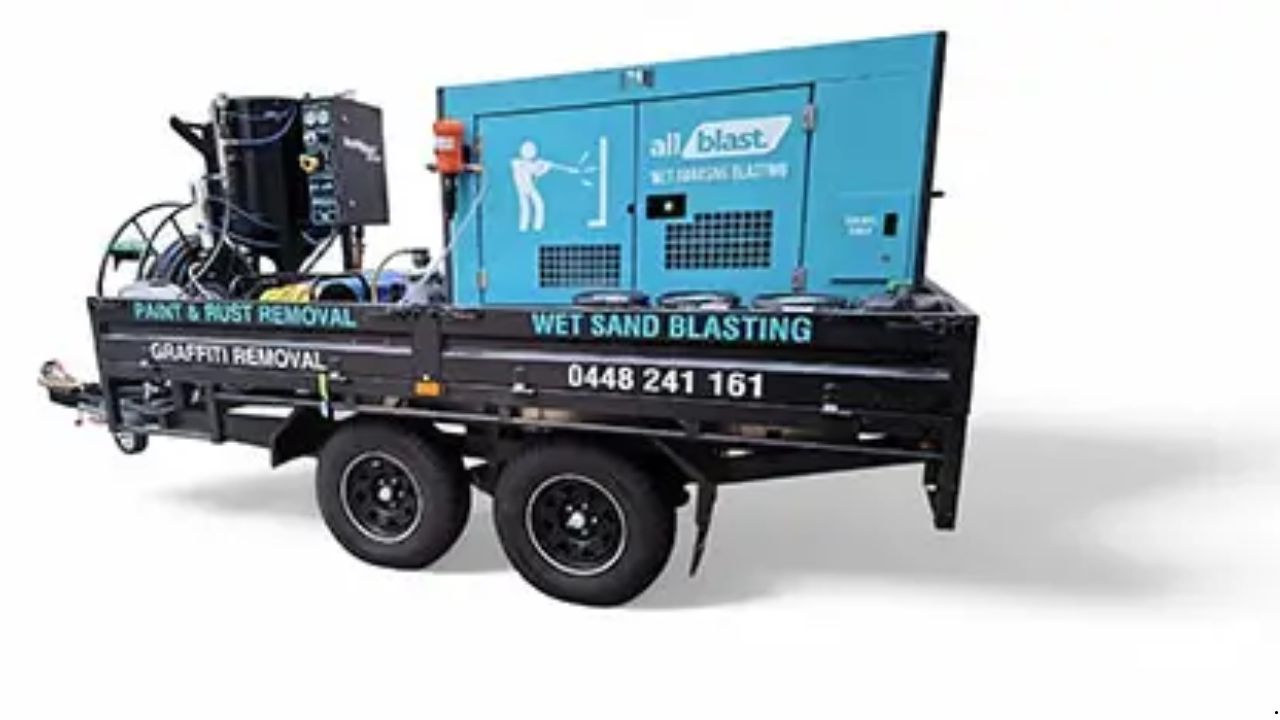

Surface preparation is a critical step in many industrial, commercial, and restoration projects, and abrasive blasting has long been one of the most effective techniques available. This process uses high-pressure streams of abrasive material to clean, smooth, or texture surfaces, removing contaminants such as rust, paint, scale, and corrosion. Its effectiveness lies in its ability to restore surfaces to a clean, workable state without compromising structural integrity.
Abrasive blasting is widely used across industries, including construction, marine, automotive, and manufacturing. It prepares surfaces for coatings, welding, or refurbishment by creating the ideal profile for adhesion. When done correctly, it extends the lifespan of materials and enhances the performance of protective finishes. This makes it an essential process rather than a simple cleaning method.
Table of Contents
How Wet Blasting Offers A Controlled And Dust-Free Alternative
While traditional dry methods remain popular, wet blasting has gained increasing attention for its precision and environmental advantages. Wet blasting combines abrasive media with water, reducing airborne dust and heat generation during the process. This controlled approach makes it suitable for sensitive environments and delicate surfaces where damage or contamination must be minimised.
Wet blasting is particularly effective for applications requiring a finer finish. The presence of water cushions the abrasive impact, resulting in a smoother surface while still achieving thorough cleaning. This method is often chosen for restoration projects, food-grade equipment, and components with tight tolerances, where precision is essential.
The Science Behind Effective Surface Preparation
The success of blasting techniques lies in understanding surface interaction. Abrasive blasting works by transferring kinetic energy from the abrasive particles to the surface, dislodging unwanted material. Factors such as abrasive type, particle size, pressure, and angle all influence the outcome.
Wet blasting modifies this interaction by introducing water, which absorbs heat and reduces friction. This not only improves finish quality but also protects the underlying material. By adjusting these variables, operators can tailor the process to suit different substrates, from steel and aluminium to concrete and composites.
Applications Across Industrial And Commercial Sectors
Both abrasive and wet blasting are used in a wide range of industries. In construction and infrastructure projects, they prepare steel beams and concrete surfaces for protective coatings. In the marine sector, blasting removes corrosion and marine growth from hulls and components, helping vessels maintain efficiency and safety.
Manufacturing facilities rely on blasting for equipment maintenance and refurbishment. Removing buildup and contaminants ensures machinery operates efficiently and meets safety standards. Wet blasting, in particular, is valued in environments where dust control is critical, such as food processing and pharmaceutical facilities.
Surface Finish And Coating Performance
One of the key goals of blasting is to create the correct surface profile. A properly prepared surface allows coatings to bond effectively, reducing the risk of peeling, blistering, or premature failure. Abrasive blasting creates a textured surface that enhances adhesion, improving coating durability.
Wet blasting offers similar benefits while producing a more uniform finish. This is especially important when aesthetics matter, such as architectural elements or exposed metal surfaces. The smoother profile also reduces the amount of coating required, contributing to cost efficiency.
Environmental And Safety Considerations
Workplace safety and environmental responsibility are increasingly important considerations. Dry abrasive blasting can generate significant dust, which poses health risks and requires extensive containment measures. Wet blasting addresses many of these concerns by suppressing dust at the source.
Reducing airborne particles improves visibility and air quality, creating a safer environment for operators and surrounding workers. Implementing effective dust control measures is essential for safe blasting operations. Additionally, wet blasting minimises static buildup and heat, lowering the risk of sparks or material distortion. These advantages make it a preferred choice in regulated or enclosed environments.
Choosing The Right Blasting Method For Your Project
Selecting between abrasive and wet blasting depends on several factors, including surface material, desired finish, environmental constraints, and project scale. Abrasive blasting remains ideal for heavy-duty applications where aggressive material removal is required.
Wet blasting is often chosen for precision work, sensitive surfaces, or locations with strict dust control requirements. Understanding the strengths of each method ensures optimal results and prevents unnecessary damage or inefficiency. Consulting experienced professionals helps determine the most suitable approach for specific needs and exploring affiliate marketing strategies for sourcing equipment or services.
Maintenance, Restoration, And Longevity Benefits
Blasting techniques play a vital role in maintenance and restoration. By removing corrosion and contaminants, they prevent further degradation and extend the life of structures and equipment. Regular surface preparation reduces the likelihood of costly repairs and unexpected failures.
Wet blasting is especially beneficial for restoration projects, as it cleans surfaces without erasing fine details. This makes it ideal for heritage structures, machinery refurbishment, and components requiring careful handling. The result is a balance between thorough cleaning and material preservation.
Quality Outcomes Through Professional Expertise
The effectiveness of blasting depends heavily on operator skill and equipment quality. Professionals understand how to adjust parameters to suit each application, ensuring consistent results. Proper training and experience reduce the risk of surface damage and improve overall efficiency.
Using advanced equipment and proven techniques, skilled providers deliver outcomes that meet both technical and aesthetic requirements. Their expertise ensures that surfaces are prepared correctly the first time, avoiding rework and delays.
Why Blasting Remains Essential In Modern Industry
Despite advances in surface treatment technologies, blasting remains a cornerstone of industrial preparation. Its adaptability, effectiveness, and reliability make it indispensable across sectors. Wet blasting has further expanded its capabilities, addressing environmental and safety concerns without sacrificing performance.
By choosing the right method and working with experienced professionals, businesses can achieve superior surface preparation that supports durability, compliance, and long-term value. Whether restoring, maintaining, or preparing for new coatings, blasting continues to deliver results that stand the test of time.