

Key Takeaways
- Data analytics is the cornerstone of personalizing guest experiences and driving operational improvements in hospitality.
- Data integration across teams encourages better collaboration and removes organizational barriers.
- AI-powered tools and predictive analytics are now key to optimizing marketing, pricing, and customer service strategies.
In today’s rapidly evolving hospitality environment, data analytics is fundamentally reshaping how businesses deliver value. Modern hotels use data-driven approaches to better understand guests, personalize offerings, and optimize every aspect of their operations. By tracking guest journeys and operational performance, hospitality leaders are leveraging actionable insights to stay ahead. To explore how advanced analytics are revolutionizing the industry, learn more.
From luxury resorts to boutique hotels, adopting data-based strategies is helping hospitality professionals deliver unique, tailored experiences while improving efficiency. By integrating information across various touchpoints, businesses not only anticipate customer preferences but also uncover new growth opportunities. This transition towards a more analytics-driven approach is helping brands remain competitive in an increasingly complex market.
Hotels are now using a variety of tools to analyze behavioral data, feedback, and real-time metrics. These efforts contribute to guest satisfaction, operational improvements, and increased profitability. By making intelligent adjustments based on insights, companies can fine-tune services for both guests and staff.
Understanding these trends is critical for hospitality professionals aiming to boost customer loyalty, operational agility, and revenue. Leaders who embrace analytics are setting new standards for excellence in the industry. For a comprehensive look at how data impacts business decisions beyond hospitality, this resource from IBM outlines its broader impact.
Table of Contents
Personalizing Guest Experiences
Big data and advanced analytics enable hotels to craft personalized journeys for each guest. By examining booking history, loyalty program activity, and real-time preferences, managers can design highly targeted experiences. Personalized amenities, customized recommendations, and even in-room services are all possible through precise data analysis. This attention to individual needs helps create memorable stays, which, in turn, foster better reviews and repeat visits.
In addition to guest comfort, personalization extends to communication channels. Hotels can use automated messaging platforms to engage with guests before and during their stays, ensuring each interaction is relevant and timely. Digital concierge services, tailored welcome packages, and unique local experiences are just a few ways data helps properties stand out from competitors. As a result, guests are more likely to share their positive experiences online, driving organic brand reputation growth.
Optimizing Operational Efficiency
Hospitality businesses regularly face operational challenges, from resource allocation to maintenance scheduling. With data-driven tools, management can identify inefficiencies that would otherwise remain hidden. For example, data about occupancy trends and staff deployment can highlight opportunities to reduce waste and lower costs. Energy management systems often rely on analytics to monitor and adjust resource usage, saving money and reducing environmental impact. Many hotels are leveraging these insights to streamline housekeeping, food service, and property management processes.
Breaking Down Departmental Silos
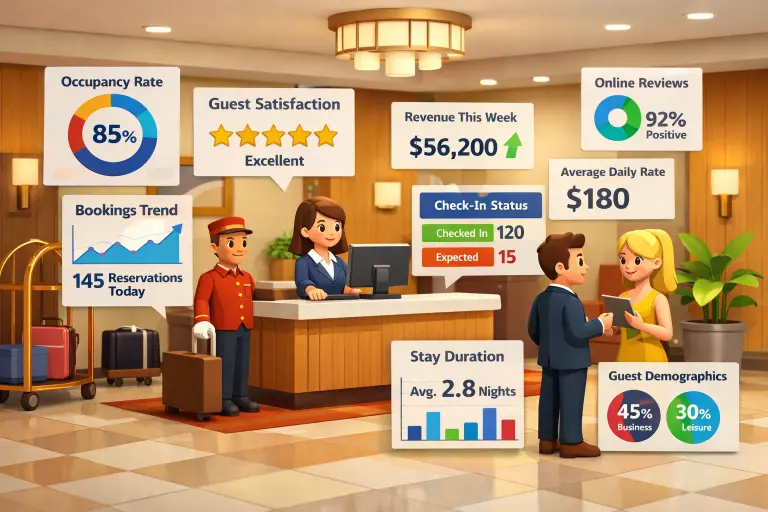
Integration of data across housekeeping, front desk, marketing, and finance departments ensures that everyone operates from the same set of facts. By connecting disparate systems and fostering interdepartmental communication, hotels gain a more holistic view of their business. This not only streamlines workflows but also leads to more consistent service delivery and innovation. Teams can recognize guest patterns, business cycles, and bottlenecks, enabling faster, more coordinated responses.
By sharing analytics with multiple departments, hospitality leaders encourage cross-functional teamwork and rapid problem-solving. Real-time dashboards and unified reporting tools make it easier for all stakeholders to monitor KPIs, address service gaps, and act swiftly on important data trends. This integrated approach reduces redundancies, minimizes errors, and aligns every department toward common goals, ultimately resulting in a unified guest experience and improved operational output.
Leveraging AI and Predictive Analytics
Modern hospitality forecasting is also shaped by evolving creative production trends, which influence how brands design data-driven campaigns and customer experiences. AI-driven systems monitor online reviews, booking engines, competitor pricing, and historical data to predict demand and optimize inventory. Predictive analytics inform critical decisions such as when to run promotions, how to manage overbooking, and the ideal times for maintenance. By making these choices proactively, hotels remain agile in the face of changing market conditions.
Enhancing Marketing Strategies
Marketing becomes far more effective when brands combine guest insights with strong storytelling, and the role of video marketing is now central in engaging audiences across digital platforms. Campaigns can be tailored to preferences, demographics, and online behavior. Data-driven segmentation ensures that email offers, digital ads, and loyalty rewards are meaningful and compelling. This approach results in higher engagement rates, better budget allocation, and a stronger return on investment. For more information on how data is transforming marketing across industries, see this McKinsey article.
Improving Customer Service
Consistent analysis of feedback, surveys, and guest interactions enables ongoing refinement of service protocols. By tracking issues in real time and examining service gaps, hospitality providers can train staff more effectively and solve problems before they escalate. The ability to spot recurring complaints or identify popular requests equips teams with the tools needed to exceed guest expectations. Ultimately, this focus on continuous improvement builds a culture of service excellence and drives brand loyalty.
Implementing Dynamic Pricing
Dynamic pricing models powered by analytics let hotels respond nimbly to market fluctuations. By accounting for real-time demand, local events, competitor rates, and historical booking patterns, properties maximize occupancy and revenue. Automated pricing tools make instantaneous rate adjustments, allowing hotels to capture additional profit during peak periods and attract guests when demand is lower. Such strategies not only increase profitability but also support a flexible, market-responsive business model.
Conclusion
As the hospitality sector continues to evolve, data-driven decisions are essential for sustained success. By embracing analytics, hotels and resorts can deliver superior guest experiences, streamline operations, and realize greater financial performance. Hospitality professionals committed to harnessing the power of data are not only optimizing their internal processes but are raising the bar for customer satisfaction and industry standards.

