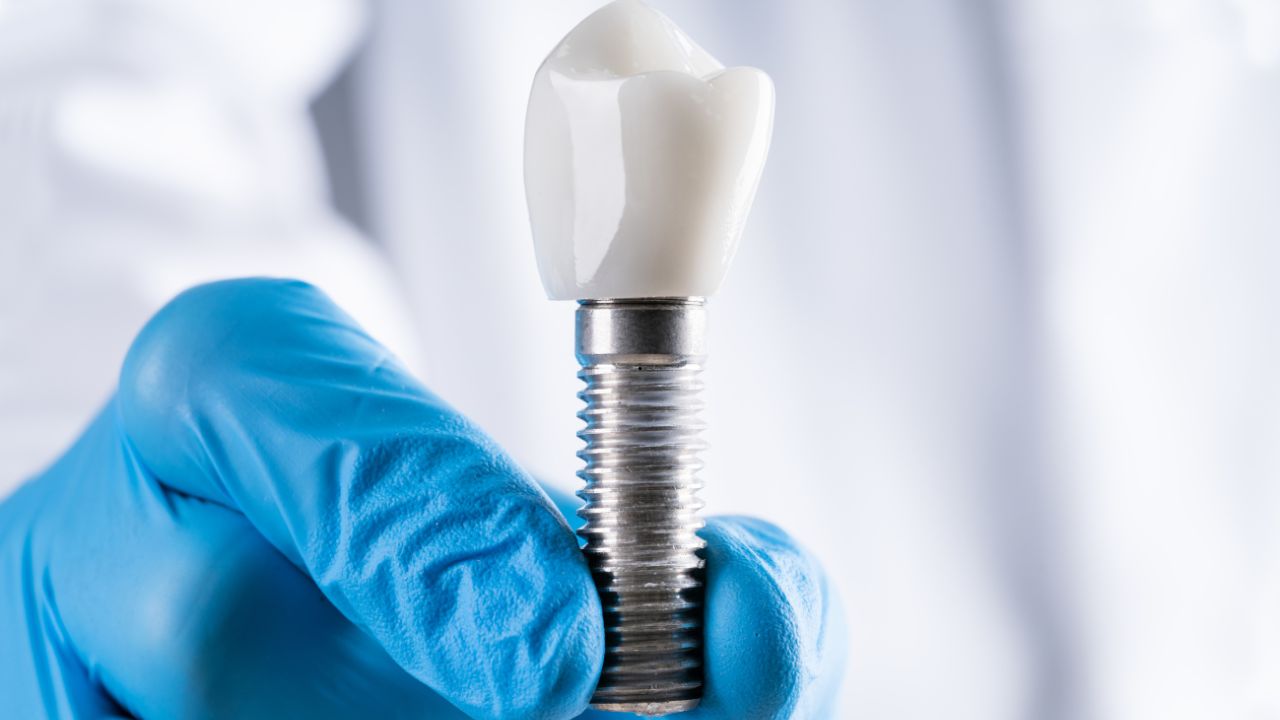

Losing teeth affects how we chew, speak, and look. In the past, dentists mainly used removable dentures or fixed bridges to treat missing teeth. With modern implantology, dental implants have become the best option for replacing lost teeth. Implants mimic natural tooth roots, giving patients stable, long-lasting, and functional replacements, whether they are missing one tooth or all their teeth.
Table of Contents
The Tripartite Anatomy of an Implant System
A dental implant restoration is made up of three main parts that work together with the body, and you can explore this detailed dental implants guide to understand the basics before diving deeper. The first part is the implant fixture, a strong, biocompatible post usually made from surgical titanium or, for cosmetic reasons, ceramic zirconia. This post is placed directly into the jawbone during surgery.
The abutment sits above the gum line and connects the implant post to the final dental restoration. The visible part is the custom-made prosthesis, which could be a crown, bridge, or full denture. Dental labs carefully design this piece to match the look and color of the patient’s natural teeth.
The Phenomenon of Osseointegration
The success of dental implants depends on a process called osseointegration. Discovered in the mid-1900s, osseointegration happens when bone cells grow and attach directly to the rough surface of the titanium implant. This bond creates a strong anchor that can handle the forces of everyday chewing.
Unlike fixed bridges, which need to use and reshape nearby healthy teeth for support, implants stand on their own. The titanium post in the jaw also helps keep the surrounding bone healthy by providing stimulation, which prevents bone loss and changes to facial shape that can happen after losing teeth.
Advanced Diagnostics and Surgical Planning
Today’s treatment also relies on modern implant procedures that improve precision, safety, and long-term success for patients. Top clinics use advanced imaging technology to plan surgeries and reduce risks. For example, 3D Cone Beam CT scans help dentists measure bone, find important structures like nerves and sinuses, and plan exactly where to place the implant before surgery.
Some patients do not have enough bone for implants because of long-term tooth loss, injury, or gum disease. In these cases, extra procedures like bone grafts, adding synthetic bone, or sinus lifts may be needed before or during implant placement to create a strong base.
The Clinical Timeline and Restorative Phase
Getting dental implants usually takes a few months and happens in several steps. First, the implant post is placed in the jaw under local anesthesia or sedation. Then, there is a healing period of 3 to 6 months for the bone to bond with the implant. During this time, patients often wear temporary teeth to keep their smile and basic function.
After tests show the implant is firmly attached to the bone, the gum is shaped around a healing cap. Next, digital impressions are taken to make the permanent ceramic tooth. The final prosthesis is then attached, finishing the restoration.
To make dental implants last, patients need to take good care of them after surgery. Although the implant materials do not decay, the gums around them can still get inflamed, which can harm the bone. Daily brushing and flossing, along with regular dental checkups and cleanings, help keep the area healthy. Using advanced materials and digital planning, this approach is the best way to replace missing teeth.