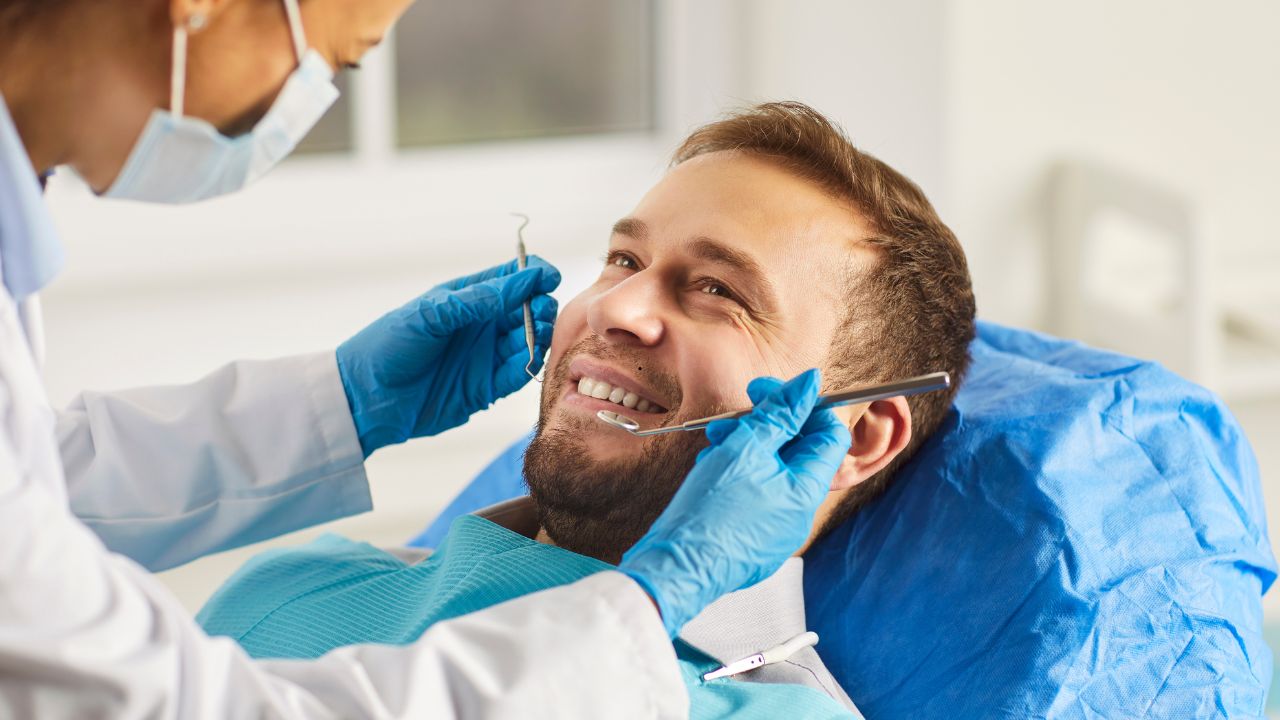
Gums can feel fine one week and then sting, swell, or bleed the next. You may blame brushing or age. You often overlook quiet triggers that grow between visits. This blog walks through six common sparks that can set off gum flare-ups. You can control many of them at home. Some live in your daily habits. Others come from stress, food, or skipped cleanings. Each one strains your gums and leaves them open to infection. If you notice blood on your toothbrush, bad breath that will not fade, or a sour taste, your gums are asking for help. A routine visit with a Los Angeles, dentist is not enough if these triggers stay in place. You need small, steady changes. You deserve a calm mouth, steady breath, and confidence when you smile.
Table of Contents
1. Skipping Daily Brushing and Flossing
Gum flare-ups often start with skipped basics. Plaque starts to form within hours. It hardens into tartar that you cannot remove at home.
Each time you skip brushing or flossing, bacteria sit longer near the gumline. That causes swelling, bleeding, and pain.
To protect your gums, you should:
- Brush twice a day for two minutes
- Floss once a day, even if your gums bleed at first
- Use a soft toothbrush and gentle strokes
Further guidance on brushing and flossing is available from the National Institute of Dental and Craniofacial Research.
2. Smoking and Vaping
Smoke and nicotine choke the blood flow in your gums. That hides early warning signs. Your gums may not bleed even when they are in trouble.
Smoking and vaping can:
- Slow healing after cleanings and dental work
- Dry your mouth and change your mouth bacteria
- Raise your risk for gum disease and tooth loss
You may also notice stained teeth and strong mouth odor. These are signs your gums are under steady attack.
You can find help to quit through the Smokefree.gov program.
3. Food Choices and Sugary Drinks
What you eat and drink all day feeds the bacteria in your mouth. Sugary snacks and drinks give those germs easy fuel. Acidic drinks like soda and energy drinks wear down teeth and irritate gums.
Common triggers include:
- Soda and sports drinks
- Candy and sticky snacks
- Frequent snacking between meals
Instead, you can reach for water, whole fruits, nuts, and cheese. You should also rinse with water after sweet treats.
Everyday Choices That Affect Gum Flare Ups
| Habit | Effect on Gums | Simple Swap |
|---|---|---|
| Sipping soda through the day | Constant sugar and acid on gums | Drink water between meals |
| Chewing sticky candy | Bacteria cling near gumline | Choose sugar free gum |
| Late night snacking | Food stays on teeth while you sleep | Brush and floss before bed |
| Skipping breakfast | More hunger driven sugar later | Eat a simple meal with protein |
4. Stress and Poor Sleep
Stress does not only live in your thoughts. It also hits your mouth. When stress rises, your body fights less. That gives bacteria more power.
Stress and poor sleep can:
- Cause jaw clenching or teeth grinding at night
- Dry your mouth
- Make you skip brushing or flossing
You might wake with sore teeth or tight jaw muscles. You might notice gum swelling during hard weeks at work or school.
Good daily habits can reduce stress on your gums and help prevent flare-ups before they start. Learning more about preventive dental care can help you stay ahead of gum problems with simple, consistent routines.
5. Hormone Changes
Hormone shifts can make gums more sensitive to plaque. You might see this during puberty, pregnancy, monthly cycles, or menopause.
You may notice:
- Gums that bleed more easily
- Red or puffy gum edges
- New mouth sores
You should tell your dentist or hygienist about any recent hormone changes. That helps plan cleanings and home care. You may need more frequent cleanings for a time.
6. Medical Conditions and Certain Medicines
Some health conditions strain your gums. Diabetes is one strong example. High blood sugar can weaken your body’s response to infection. That makes gum flare-ups more likely and harder to control.
Some medicines can cause:
- Dry mouth
- Overgrown gum tissue
- Slower healing
These may include medicines for blood pressure, seizures, or immune conditions. Working closely with your dentist through general dentistry care helps you manage medication side effects and protect your gums at every stage of life. Instead, share a full list of your medicines with your dental team. You can also sip water throughout the day and use sugar-free lozenges to support saliva.
How Often Do You Need Professional Cleanings
Many people think once a year is enough. For many mouths, that is not true. Plaque turns into tartar that only a trained professional can remove.
General guidance often suggests:
- Every 6 months for healthy gums
- Every 3 to 4 months, if you have a history of gum disease
- Extra visits during pregnancy or after major health changes
During these visits, your dentist or hygienist checks pocket depth around teeth, cleans under the gumline, and watches for early damage. Early treatment means less pain and lower cost.
Pulling It All Together Between Visits
Gum flare-ups do not come out of nowhere. They grow from daily choices, stress, health shifts, and skipped cleanings. You have real control.
You can protect your gums when you:
- Brush and floss every day
- Limit sugar and soda
- Quit smoking or vaping
- Manage stress and protect your sleep
- Tell your dentist about hormone changes, health conditions, and medicines
Small steps add up. Your gums can become calmer and steadier. Your breath can improve. Your next cleaning can feel easier and shorter. You deserve a mouth that does not hurt and a smile you trust.