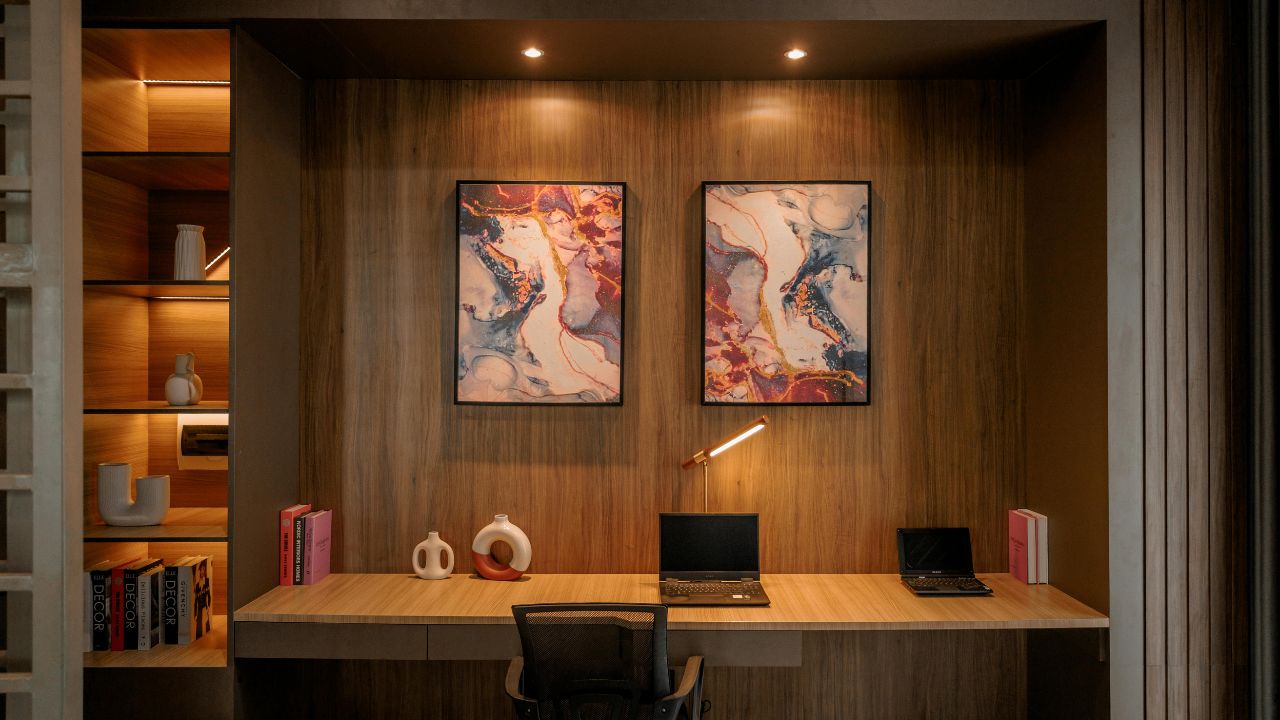

A photo-op wall is more than a trendy backdrop. In a workplace, it becomes a visual “hello” that communicates culture in one glance. When candidates visit for interviews, when teams celebrate milestones, or when partners stop by for meetings, a well-designed wall can quietly reinforce your values. And when employees choose to take photos there, the space earns organic visibility that feels natural rather than forced.
The key is to build a wall that looks intentional in real life and reads clearly on camera. That means choosing Wall Art and Canvas Art with strong shape, balanced contrast, and a composition that frames people without competing with them. Done right, a photo-op wall supports employer branding because it makes the workplace feel consistent, creative, and thoughtfully designed.
Table of Contents
Why Photo-Op Walls Matter for Employer Branding
They turn culture into something visible
Employer branding often lives in words: mission statements, job posts, and internal decks. A photo-op wall translates those ideas into a visual environment people can remember. A bold Artwork statement wall can suggest momentum and creativity. A calmer, more minimal arrangement can suggest focus and clarity. In both cases, your space signals what it feels like to work with your team.
They create consistent moments worth sharing
Photos appear everywhere: onboarding posts, team events, conference visits, and behind-the-scenes updates. When your office has a dedicated backdrop, those images look cohesive over time. That cohesion is a brand asset. It helps your company look organized and confident while keeping the focus on people.
Define the Goal Before You Choose Wall Art
Start with a message you can explain in one sentence
Before selecting Art Print styles or color palettes, decide what you want the wall to “say.” For example: “We build with imagination,” “We value clarity,” or “We’re energized by collaboration.” This prevents the wall from becoming random decor and helps you choose Modern Art that supports a consistent impression.
Match the wall to the space and the moment
Think about who will use it and when. Is it a quick photo spot for Office visitors near reception? Is it a recurring background for Home Office video calls? Is it a celebratory wall for Lounge moments after a team win? The “best” art is the art that fits the real behavior of the space.
If you’re building a workplace-ready backdrop, explore Office Wall Art that’s designed to feel polished and professional while still looking expressive, and consider how office decor influences the overall ambiance.
The Design Formula for an Instagram-Friendly Wall
A photo-op wall works when it frames people cleanly, photographs well under everyday lighting, and still feels elevated when no one is standing in front of it. Use this design formula as your baseline:
- One clear focal point: Choose a hero piece of Large Wall Art or a dominant visual center so the camera knows where to “land.”
- Balanced contrast: Ensure the background doesn’t wash out faces; moderate contrast photographs more reliably across different phones.
- Simple shapes on the edges: Keep busy detail away from where shoulders and hair will overlap.
- Intentional negative space: Give the eye room to rest so the wall feels premium instead of crowded.
- Consistent style language: Pick a direction—graphic, abstract, minimal, or nature-inspired—and commit to it.
For a modern, energetic look that still photographs cleanly, consider Abstract Modern Canvas Art that uses bold composition without overwhelming the subject.
Best Places to Build Photo-Op Walls
Location matters because it affects traffic, lighting, and how often people will actually use the wall. These placements tend to perform well in real offices:
- for Office entry: A first-impression wall that welcomes visitors and sets the tone immediately.
- for Lobby / reception: A clean “signature” background for quick team photos and guest arrivals.
- for Hallway: A gallery-style route that tells your story in a scannable way as people walk by.
- for Lounge: A relaxed, social spot where candid photos happen naturally during breaks or events.
- for Home Office: A tidy, camera-friendly wall that supports online meetings and remote brand consistency.
- for Entryway: A compact but high-impact corner that’s easy to light and easy to repeat in photos.
Curating Artwork That Signals Culture
Choose themes that feel true to your team
Employer branding works best when the space feels authentic. If your team thrives on experimentation, lean into expressive Paintings and dynamic Canvas Print compositions. If your culture emphasizes clarity and craft, use cleaner lines and restrained palettes that feel intentional.
Use concept-driven visuals to reinforce purpose
Conceptual themes can support recruiting and onboarding because they make abstract values easier to remember, so careful art selection is key for reinforcing your culture. For example, visual metaphors tied to growth, strategy, collaboration, or momentum can reinforce what your company stands for while still functioning as refined Wall Decor. If that direction fits your message, browse Business Concept Wall Decor to build a backdrop that feels purposeful and brand-aligned.
Balance energy with calm so the wall stays usable
Some teams want a bold wall for events but a calmer environment for day-to-day focus. You can solve this by selecting art with strong structure but a controlled palette. Minimal compositions are especially useful because they keep attention on people in photos while still looking curated in the space.
If you want a clean, polished aesthetic that looks sharp on camera, try Minimalist Wall Art Prints for a refined, modern backdrop.
Make the Wall Easy to Photograph
Create a “standing zone” that works every time
Many photo-op walls fail because people don’t know where to stand. Mark a subtle position (even a small floor cue) so faces land at the ideal height and the focal art sits behind shoulders rather than behind heads. Keep enough distance so wide-angle phone lenses don’t distort the art too heavily.
Lighting matters more than you think
Even the best Room Decor looks flat under harsh overhead lights. Aim for soft, even lighting across the wall with minimal glare. If you’re using glossy surfaces nearby, adjust angles so reflections don’t cut across the artwork.
Add brand cues without making it feel like signage
Brand elements should feel integrated. Subtle typography, a refined color accent, or a small logo placement can work—especially if the wall’s main job is to frame people. Keep the focus on the human moment and let the wall support it.
Practical Setup Details So It Stays Photo-Ready
A photo-op wall is a “high-visibility” part of the office, so durability and maintenance matter. Pick finishes that are easy to keep clean, and ensure the installation is stable so pieces stay aligned over time. If your wall sits in a high-traffic area for Hallway movement, choose layouts that won’t shift easily.
Also consider how your wall evolves. Instead of rebuilding everything, plan small refresh points—swapping one focal Art Picture piece seasonally, or rotating supporting Wall Hangings during major company moments. That keeps the wall current without losing its recognizable identity.
Build it once, then refine
Most teams get the strongest results by starting with a simple concept and improving it after a few weeks of real use. When you see how people actually stand, what angles they choose, and how the lighting behaves, small adjustments can dramatically improve photo quality.
- Choose one wall with reliable lighting and steady foot traffic.
- Define the brand message in one sentence.
- Select a focal piece of Large Print or Large Art Print that reads clearly on camera.
- Add supporting Artwork pieces that match the same style language.
- Set the center of the main piece near eye level for most people.
- Keep edges simple where shoulders will overlap.
- Test photo angles from two or three typical standing distances.
- Adjust lighting to reduce glare and flatten harsh shadows.
- Mark a subtle standing zone for consistent framing.
- Review real photos after two weeks and refine spacing or lighting if needed.
Measuring Results Without Guesswork
You don’t need complicated analytics to learn whether your photo-op wall is working. Start with simple indicators: how often the wall appears in team photos, how often visitors choose it without prompting, and whether the wall becomes the default background for milestones and announcements. Over time, this becomes a lightweight but meaningful signal of brand consistency.
If you want to connect it to recruiting, track how often candidates mention the space during interviews, how often onboarding groups take photos there, and whether employees use the backdrop for internal spotlights. The goal isn’t vanity—it’s building a workplace environment that people feel proud to be seen in.
FAQs
1) What size wall art works best for a photo-op wall?
A larger focal piece usually performs better because it remains clear in wide phone shots and creates a defined “center” behind people.
2) Should we use one statement piece or multiple art prints?
One statement piece is simpler and often more camera-friendly. Multiple pieces can work if spacing is consistent and the layout has a clear visual hierarchy.
3) How do we keep the background from overpowering people in photos?
Choose art with structure and contrast, but keep the busiest details away from where faces and shoulders will overlap.
4) Where should we place the wall for the highest use?
Reception areas, entry points, and lounge spaces tend to work well because they’re easy to access and naturally encourage group moments.
5) What colors photograph most reliably?
Mid-tone palettes with balanced contrast are the most consistent across devices. Extremely bright whites or very dark walls can be harder to expose correctly.
6) How can we make the wall feel branded without looking like an ad?
Use subtle cues: a restrained accent color, consistent style, or a small brand mark placed thoughtfully rather than large, dominant signage.
7) What lighting should we avoid?
Harsh overhead light and strong glare are the biggest issues. Aim for even illumination and reduce reflections by adjusting angles and nearby surfaces.
8) How do we prevent glare on artwork?
Position lighting so it doesn’t bounce directly into the camera, and avoid placing reflective surfaces or bright windows directly opposite the wall.
9) How far should people stand from the wall?
Give enough distance for a natural perspective. Too close can distort faces and the artwork, especially with wide-angle phone lenses.
10) What’s the simplest layout that still looks premium?
One strong focal piece with a small set of supporting pieces in a consistent style often looks the most polished and is easiest to maintain.
11) How often should we refresh the wall?
Quarterly or seasonally is usually enough. Refresh one supporting piece or a small detail to keep the wall current without losing recognition.
12) Can a photo-op wall work in smaller offices?
Yes. A compact wall can be very effective if the focal art is bold, the layout is clean, and the lighting is consistent.
13) What style works well for modern workplaces?
Modern, abstract, and minimal styles often photograph well because they rely on strong shapes and clear composition.
14) How do we keep the wall looking tidy over time?
Use stable mounting, keep spacing consistent, and make a simple maintenance routine for cleaning and alignment checks in high-traffic areas.
15) What’s a good first step if we’re starting from scratch?
Pick the location and lighting first, then choose one focal piece that matches the culture message you want to communicate.
Closing: Build a Shareable Employer Branding Moment
A photo-op wall succeeds when it feels like a natural part of your workplace story. Start with one clear message, choose art that photographs cleanly, and place the wall where people already gather. With thoughtful Wall Decor, your space becomes memorable—both in person and in the moments people choose to share.
If your brand needs a calmer, welcoming visual tone, add a grounded backdrop with Nature Canvas Print styles that bring balance to high-energy office environments.

