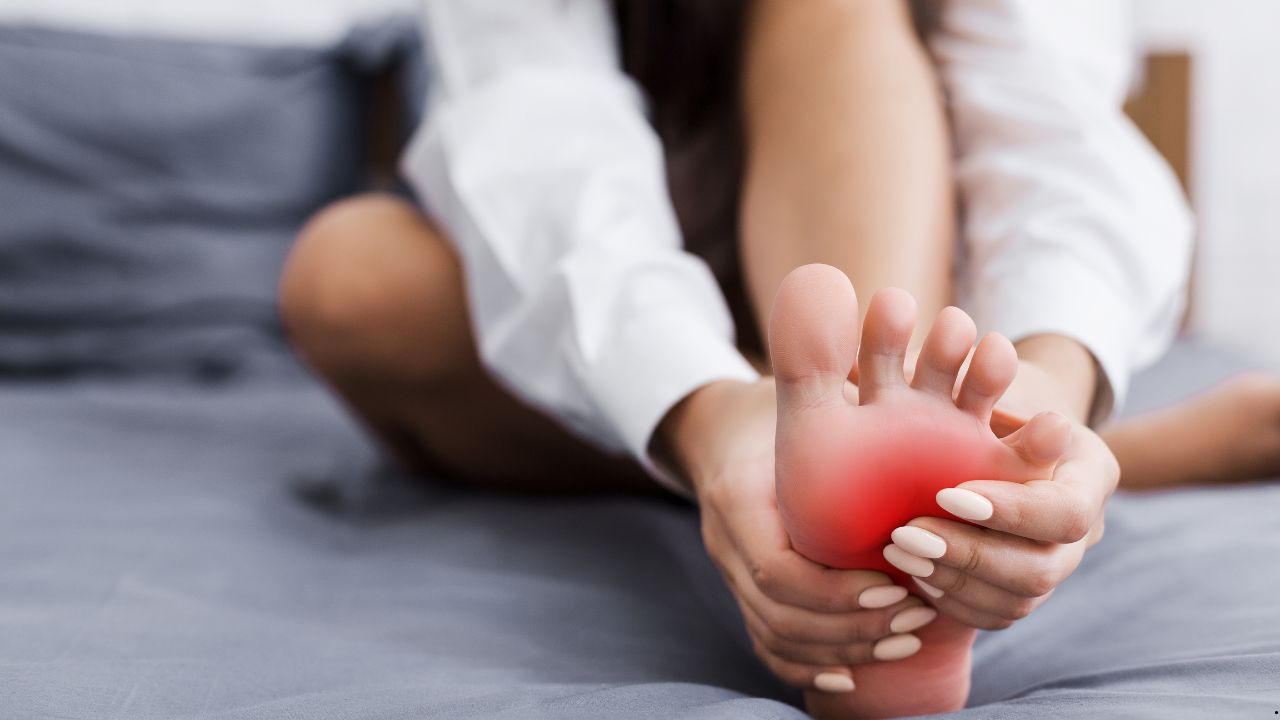
If you’ve been struggling with bunion pain, you know how it can impact every step you take. Walking, standing, or even finding comfortable footwear becomes a daily challenge. That’s where orthopedic bunion corrector sandals come in—a revolutionary solution that combines therapeutic support with everyday wearability. These specialized sandals are designed to realign your toes, reduce pressure on the bunion, and provide the comfort your feet desperately need. In this comprehensive guide, we’ll explore everything you need to know about finding the best orthopedic bunion corrector sandals for your specific needs, so you can walk pain-free again.
Table of Contents
Understanding Bunions and Why They Need Special Attention
Before diving into sandal solutions, it’s important to understand what bunions are and why they require specialized footwear. A bunion, medically known as hallux valgus, is a bony bump that forms at the base of your big toe. This happens when the joint becomes misaligned, causing the big toe to angle toward the other toes rather than pointing straight ahead.
Bunions develop gradually over time and can be caused by various factors including genetics, wearing ill-fitting shoes, foot injuries, or certain arthritic conditions. The pressure and friction from regular footwear can aggravate bunions, leading to inflammation, swelling, and significant pain that worsens throughout the day.
Traditional sandals and shoes often make bunion pain worse because they squeeze the toes together, create friction against the bunion bump, or fail to provide adequate arch support. This is exactly why orthopedic bunion corrector sandals have become essential for people seeking both relief and correction.
How Orthopedic Bunion Corrector Sandals Work
Orthopedic bunion corrector sandals are engineered with specific features that address the root causes of bunion discomfort. Unlike regular sandals, these therapeutic shoes work on multiple levels to provide relief and potentially slow bunion progression.
The primary mechanism is toe realignment. Many of these sandals feature toe separators or spacers built into the footbed that gently encourage your big toe back toward its natural position. This reduces the angle of deviation and takes pressure off the bunion joint.
Additionally, these sandals incorporate contoured footbeds with anatomical arch support. Proper arch support is crucial because it helps distribute your body weight evenly across your foot, reducing the excessive pressure that typically concentrates on the bunion area. The cushioning materials used in quality orthopedic sandals also absorb shock with each step, minimizing impact on sensitive joints.
Wide toe boxes are another critical feature. By giving your toes ample room to spread naturally, these sandals eliminate the cramping and squeezing that exacerbates bunion pain. The materials used are typically soft and flexible, reducing friction against the bunion bump itself.
Key Features to Look for in Quality Bunion Corrector Sandals
When shopping for the best orthopedic bunion corrector sandals, certain features distinguish superior products from mediocre ones. Understanding these characteristics will help you make an informed decision.
Anatomical Footbed Design: The footbed should mirror the natural contours of your foot, with proper arch support that matches your specific arch type. Look for deep heel cups that provide stability and prevent your foot from rolling inward or outward.
Adjustable Straps: Everyone’s feet are different, and bunions can cause swelling that varies throughout the day. Adjustable straps made from soft, non-irritating materials allow you to customize the fit without creating pressure points on your bunion.
Toe Separator Technology: Built-in toe separators or a design that naturally spaces your toes apart is essential for encouraging proper alignment. These should be comfortable enough for extended wear.
Quality Materials: Look for sandals made from breathable, moisture-wicking materials that keep your feet dry and comfortable. The sole should offer good traction to prevent slips while remaining flexible enough to allow natural foot movement.
Lightweight Construction: Heavy sandals can fatigue your feet and legs. The best options are surprisingly lightweight despite their supportive features.
Rocker Sole Design: Some advanced orthopedic sandals feature a slight rocker profile that promotes a natural walking motion and reduces stress on the bunion joint during toe-off.
Top Situations Where Bunion Corrector Sandals Shine
Orthopedic bunion corrector sandals aren’t just for lounging around the house—they’re versatile enough for various activities and situations.
For everyday wear, these sandals provide all-day comfort whether you’re running errands, walking the dog, or meeting friends for coffee. The therapeutic benefits work continuously while you go about your normal routine.
During recovery from bunion surgery, these sandals offer the gentle support and protection your feet need while healing. Many podiatrists recommend them as part of post-operative care.
If you have a job that requires standing for long periods, such as retail, teaching, or healthcare, bunion corrector sandals can significantly reduce foot fatigue and pain by the end of your shift.
For vacation and travel, these sandals are ideal because they’re easy to slip on and off for airport security, provide comfort during sightseeing, and take up minimal luggage space. Plus, they help prevent your bunion pain from ruining your trip.
Even for light exercise like walking or gentle yoga, the right orthopedic sandals provide the support you need without the confinement of closed-toe athletic shoes.
The Best Orthopedic Bunion Corrector Sandals: What to Consider
Finding the best orthopedic bunion corrector sandals for your unique needs requires considering several personal factors beyond just the product features.
Severity of Your Bunion: If you have a mild bunion, you may find relief with moderately supportive sandals. However, severe bunions typically require maximum support features including aggressive toe separation and substantial arch support.
Your Activity Level: Active individuals need sandals with secure straps and more substantial soles, while those seeking primarily indoor comfort might prioritize soft cushioning and flexibility.
Foot Width and Shape: Bunions often occur alongside other foot issues like wide feet or high arches. Choose sandals that accommodate your overall foot structure, not just the bunion.
Style Preferences: While function should come first, you don’t have to sacrifice all style. Many manufacturers now offer orthopedic bunion sandals in various colors and designs that look presentable in casual settings.
Budget Considerations: Quality orthopedic sandals are an investment in your health, typically ranging from fifty to over one hundred dollars. However, considering the pain relief and potential reduction in medical expenses, they often prove cost-effective.
Breaking In Your Orthopedic Sandals Properly
Even the best orthopedic bunion corrector sandals require a proper break-in period. Your feet need time to adjust to the corrective features and supportive structure.
Start by wearing your new sandals for just one to two hours on the first day. This allows your feet to gradually acclimate to the arch support and toe separation without overwhelming them. Increase wearing time by an hour each day until you can comfortably wear them all day.
During the break-in period, you might experience some initial discomfort as your feet adjust to proper alignment. This is normal and different from pain that indicates the sandals don’t fit properly. If you experience sharp pain, excessive rubbing, or discomfort that doesn’t improve, reassess the fit or consult with a podiatrist.
Pay attention to any areas that feel too tight and use the adjustable straps to fine-tune the fit. Your feet may swell slightly during the day, so adjust accordingly.
Complementary Treatments for Maximum Bunion Relief
While orthopedic bunion corrector sandals provide significant relief, combining them with other treatments can enhance results and potentially slow bunion progression.
For more tips on managing foot issues, see common foot problems. Simple exercises like picking up marbles with your toes or using resistance bands can be helpful.
Ice therapy after a long day on your feet can reduce inflammation and numb pain. Apply ice wrapped in a towel to the bunion for 15-20 minutes.
Nighttime bunion splints work while you sleep to gently realign your toe over extended periods. Using these in combination with your daytime orthopedic sandals provides around-the-clock correction.
Anti-inflammatory medications or topical creams can provide additional pain relief when needed. Always consult with your healthcare provider before starting any new medication regimen.
For expert advice, check out foot care tips.
When to Consult a Podiatrist
Orthopedic bunion corrector sandals are excellent for managing mild to moderate bunion pain, but certain situations warrant professional medical attention.
If your bunion pain is severe and interferes with daily activities despite wearing supportive footwear, a podiatrist can assess whether more aggressive treatment is needed. Progressive deformity that worsens rapidly should be evaluated, as should bunions accompanied by signs of infection like redness, warmth, or discharge.
Numbness or tingling in your toes might indicate nerve compression that requires medical intervention. Similarly, if you develop difficulty walking or maintaining balance, professional evaluation is essential.
A podiatrist can also provide custom orthotics that work inside your bunion corrector sandals for even more personalized support. They can assess your gait, foot structure, and bunion severity to recommend the most effective treatment plan.
Making the Investment in Your Foot Health
Choosing to invest in quality orthopedic bunion corrector sandals is choosing to prioritize your mobility, comfort, and overall quality of life. Bunion pain doesn’t have to be something you simply endure—effective solutions exist that allow you to stay active and comfortable.
The best orthopedic bunion corrector sandals combine therapeutic features with practical wearability, offering relief that continues with every step you take. By understanding what to look for, how to break them in properly, and when to seek additional help, you’re empowered to make the right choice for your feet.
Remember that everyone’s feet are unique, and what works perfectly for one person might not be ideal for another. Don’t be discouraged if the first pair you try isn’t perfect—finding the right fit sometimes requires patience and experimentation. Read reviews, consult with footwear specialists, and listen to your body.
Your feet carry you through life, and they deserve the best care possible. With the right bunion corrector sandals supporting each step, you can reclaim the comfort and freedom of movement you’ve been missing. Take that first step toward relief today—your feet will thank you tomorrow and for many years to come.