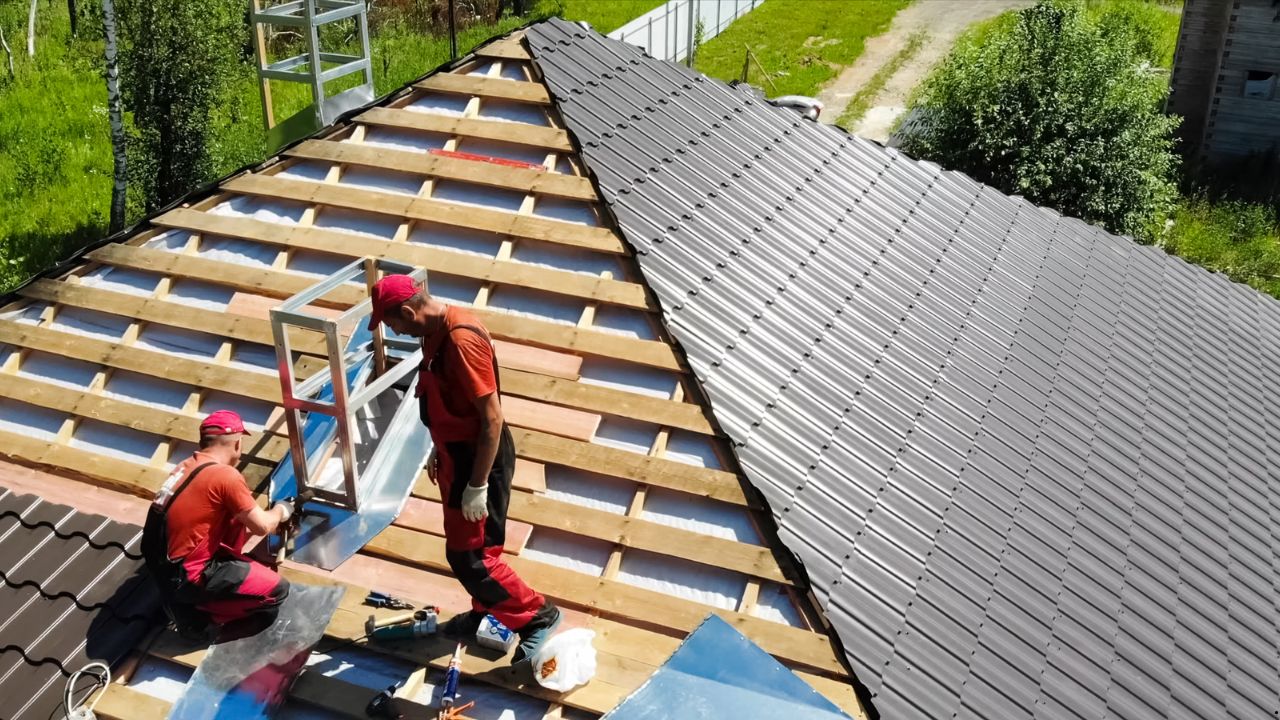
Material selection often gets treated like product browsing. For roofing teams, it is better treated as system planning. A roof is a set of parts that must work together under Florida heat, rain, and schedule pressure.
System-first selection tends to reduce late pivots. It also reduces compatibility surprises and staging chaos. A repeatable framework helps both the office and the field work from the same plan.
SYL’s products area can be used as a category gateway for system planning: SYL Roofing Supply products. A category gateway supports completeness checks when used as a structured list.
Table of Contents
Why system-first selection reduces operational risk
System-first selection forces constraints to be defined early. Roof type, geometry complexity, ventilation needs, and deck condition risk influence component choices. Ignoring constraints early often leads to late changes.
Late changes disrupt ordering. They also disrupt staging and delivery timing. Once a job is in motion, late changes cost more.
System-first selection also reduces mixed-component problems. Underlayment, starter components, field material, ridge components, and ventilation elements must fit together.
Define the system before choosing components
System definition starts with roof type. Steep-slope asphalt, metal, low-slope membrane, or mixed assemblies each drive different component needs.
Constraints also get captured. Valleys, dormers, multiple penetrations, steep pitches, and unusual transitions can shift accessory and ventilation planning.
A short written system summary supports handoffs. Office and field leadership can reference the same assumptions. That reduces drift.
Roof complexity and accessory planning
Complex roofs tend to increase accessory needs. Intersections, penetrations, and transitions often drive extra details that are easy to miss, especially when planning for fibreglass roofing systems.
Accessory planning works better when integrated into the system definition. Handling accessories as a last-minute add-on often creates stop-work gaps.
Ventilation as a core system element
Ventilation planning affects component compatibility and installation sequence. When ventilation is handled early, ordering becomes cleaner and staging becomes easier.
Early ventilation planning also reduces midstream pivots that can trigger reorders. It supports clearer communication across the team.
Build the materials list by function, then map it to sequence
After system definition, a list can be built by function: waterproofing layers, field material, ventilation, fasteners, accessories, and sealants. Then it can be mapped into installation sequence.
Sequence mapping matters because it highlights stop-work items. It also improves jobsite organization because staging can match installation flow. Refer to roofing materials for guidance.
A sequenced list supports better quantity checks. It is easier to validate counts when the list mirrors installation steps.
Use supplier support as part of the planning workflow
Selection is not only a product choice. It is a planning choice that intersects with scheduling, delivery timing, and staging.
SYL frames contractor support and scheduling-focused service under its services hub: project planning support for roofing pros.
Planning support can reduce friction when decisions affect delivery windows and jobsite organization. It also supports faster clarification when questions arise.
Keep documentation aligned to the chosen system
System-first selection benefits from documentation that is organized by component. When documents align to components, they are easier to reference and easier to update.
SYL provides centralized access to approval document resources that can support this workflow: DBPR code approvals for roofing materials.
Documentation also supports internal alignment. When the job file matches the active system, teams spend less time debating what was selected. See roof maintenance benefits.
Component changes and controlled updates
Material changes happen. Controlled updates keep the job record aligned. When a major component changes, the materials record is updated and quantities are rechecked.
Controlled updates also reduce documentation mismatches. Mismatches create confusion and slow coordination.
A simple job record that supports office and field alignment
A job record includes the system summary, the sequenced materials list, and the current component selections. When it stays current, office and field leadership operate from the same plan.
A shared record also supports smoother supplier coordination because requests reflect a consistent version of the system.
Communicating system-first selection to customers
Customers respond to predictability. They may not care about every component detail, but they do care that decisions follow a consistent logic.
A system-first framework supports clearer communication. Roof constraints drive system choices. System choices drive staging and delivery planning. Controlled updates explain changes without creating doubt.
Clear communication reduces misunderstandings when weather or scope changes affect timing. A structured process makes adjustments easier to explain.
Closing thoughts on selecting by system
A Florida jobsite framework works best when it stays practical. Define the system early. Build the list by function and sequence. Align staging and support to the way crews work. Keep documentation and job records current through controlled updates.
System-first selection reduces compatibility surprises and reduces operational friction. The result is not a job with no surprises. The result is a job where surprises do not break momentum.