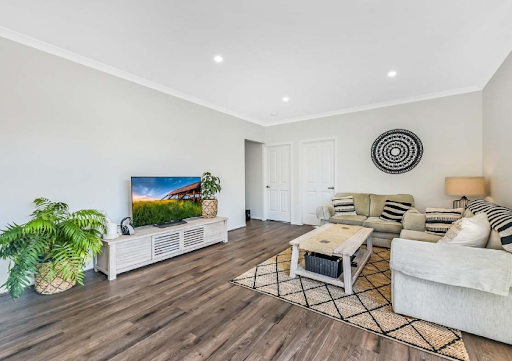
Suburban blocks across the Gold Coast are undergoing a quiet revolution. Drive through neighbourhoods like Robina, Ashmore, or Palm Beach. You’ll spot something interesting: sleek secondary dwellings tucked beside main homes, often more stylish than the houses themselves. Granny flat floor plans in Gold Coast properties have shifted from afterthought structures to carefully considered living spaces that reflect how Australian families actually want to live.
The shift isn’t just about building another room. It’s about rethinking what a family home can do. Traditional housing models no longer fit modern life. Adult children stay longer, aging parents need nearby care, and the rising cost of everything has pushed families to get creative with the land they already own.
Table of Contents
The Zoning Advantage Nobody Talks About
Here’s what most people miss: certain Gold Coast suburbs have zoning that’s particularly friendly to secondary dwellings. Areas with larger block sizes from older developments often sail through approvals. Newer estates with tighter lot dimensions face more restrictions. Homeowners in suburbs developed before the early two-thousands typically have an easier run. Their land was carved up before modern density rules kicked in.
The catch? Many families don’t realise their property sits in a sweet spot until they actually investigate. A block that looks similar to the neighbour’s might have completely different development potential. It depends on when it was subdivided and which planning scheme applies.
When Three Generations Actually Works
The romantic notion of multigenerational living crashes hard against reality without proper planning. Parents and adult kids need more than just separate bedrooms. They need separate lives under neighbouring roofs. The most successful granny flat floor plans in Gold Coast homes incorporate what architects call “polite distance”. Close enough to help, far enough to avoid daily friction.
Soundproofing matters more than most builders admit. Shared walls need serious acoustic treatment, or everyone hears everything. Morning routines, late-night telly, dinner parties. These everyday sounds become relationship stress without proper insulation between dwellings.
The Rental Reality Check
Tourist rentals look tempting on paper. The Gold Coast’s holiday market seems like easy money. But short-term letting comes with compliance headaches that catch owners off guard. Body corporate rules in some areas explicitly ban holiday rentals. Council regulations around parking and guest management can derail plans quickly.
Long-term tenants offer steadier returns without the operational hassle. A quality granny flat in a decent suburb attracts professionals, mature students, or downsizers. These tenants treat the property well and stay for years. The real win isn’t maximum rent. It’s reliable income with minimal vacancy.
Design Mistakes That Kill Resale Value
Cookie-cutter granny flats might tick council boxes. They often miss what actually makes a space liveable. North-facing windows get overlooked in rushed designs, leaving interiors dark and depressing. Skimping on ceiling height to save construction costs creates spaces that feel like glorified sheds.
The orientation matters enormously on the Gold Coast. A granny flat positioned to catch afternoon sea breezes whilst avoiding western sun makes the difference between comfortable and unbearable during summer. Many builders focus on fitting the structure onto the block. They don’t consider how it will actually function in Queensland’s climate.
The Access Issue Everyone Forgets
Side access determines whether a granny flat works long-term. Properties without separate entry paths force tenants or relatives through the main backyard. Awkward for everyone involved. Elderly parents shouldn’t navigate garden beds and pool fences to reach their front door, yet poor planning creates exactly that scenario.
Emergency vehicle access also matters. Ambulances need clear paths to secondary dwellings. This becomes critically important when housing aging parents. Granny flat floor plans that ignore practical access requirements look fine on paper but fail when real life happens.
Utilities and Hidden Complications
Connecting services to a granny flat sounds straightforward. Then the plumber explains why it’s not. Older homes often have sewer lines running through inconvenient locations, making bathroom placement tricky. Water pressure issues plague properties where the main house already pushes the limits of existing infrastructure.
Separate metering for electricity and water prevents disputes with tenants but adds upfront costs. Many families skip this step to save money. They spend years arguing over bills or absorbing costs they didn’t anticipate.
What Makes Sense Long-Term
Granny flat floor plans in Gold Coast properties work best when families think past immediate needs. A flat designed solely for teenage children becomes redundant in five years. Spaces that adapt work better. Office to guest room to parent’s residence. These justify the investment across decades.
The properties holding value best incorporate quality finishes, thoughtful orientation, and genuine privacy between dwellings. Cheap builds might solve today’s problem. They often create tomorrow’s headache when maintenance issues emerge or resale time arrives. The families getting this right treat granny flats as permanent additions to their property, not temporary solutions to passing problems.