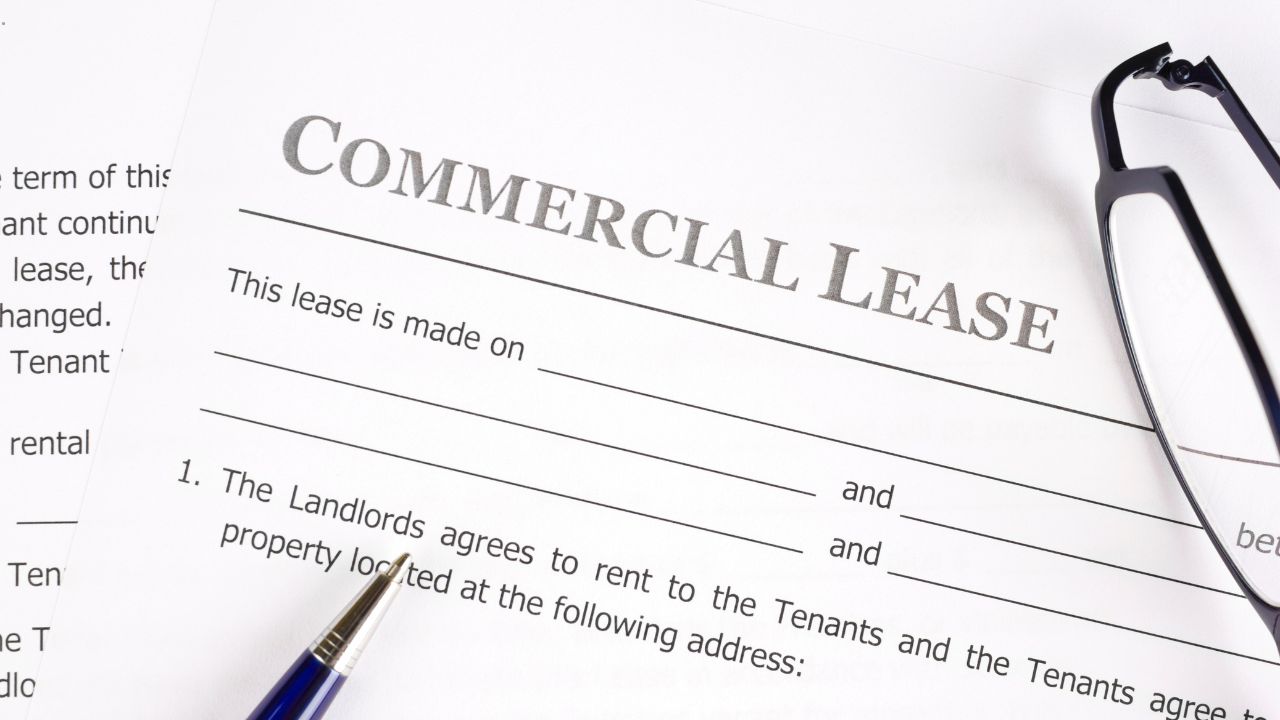
A property manager’s guide to net vs. gross lease roof language, what counts as structural versus maintenance, and the clauses worth flagging before the next hailstorm turns into a dispute.
A roof leak splits a commercial tenancy into two camps within about ten minutes: the tenant who wants it fixed today, and the landlord checking what the lease actually says. In Alberta, roof responsibility isn’t decided by common sense or fairness. It’s decided by four or five paragraphs buried in the maintenance and repair section of the lease, and those paragraphs vary enormously between a single-tenant industrial building, a multi-tenant office block, and a strip mall unit with a shared low-slope deck overhead.
Property managers who have been through a roof dispute learn fast that “structural” and “capital” are the two words that decide who pays, and that neither term means the same thing in every lease. This article walks through how net and gross leases typically allocate roof responsibility in Alberta, the specific clauses worth flagging before a tenant signs, and what to do when the lease language is vague and the roof is leaking anyway.
Table of Contents
Net leases usually put the roof on the tenant, with a catch
In a triple net (NNN) lease, the tenant pays a proportionate share of property taxes, insurance, and common area costs on top of base rent, and standard NNN language often extends that obligation to roof repair. Read past the first sentence, though, because most NNN leases carve out structural components of the building, including the roof structure itself, as a landlord responsibility even while routine roof maintenance sits with the tenant.
The practical split usually looks like this: the tenant covers membrane repair, drain clearing, minor patching, and anything the lease defines as ordinary maintenance. The landlord retains responsibility for the roof deck, the structural frame, and often full roof replacement once the membrane reaches the end of its service life. Where leases go vague is in defining that line, and a vague line is exactly where disputes start.
Gross leases shift the default the other way
In a gross lease, the tenant pays a flat rent and the landlord covers building operating costs, including roof maintenance and repair, as part of what that rent is buying. This is the more tenant-friendly default and it’s common in older office buildings and smaller multi-tenant properties where itemizing every cost isn’t practical.
A modified gross lease sits between the two, and this is where the fine print does the real work. Some modified gross leases push roof repair costs back to tenants through an operating expense pass-through, capped or uncapped, while others exclude roof capital costs entirely. Two leases that both say “modified gross” on the cover page can allocate roof risk in opposite directions once you read the operating expense schedule.
The clauses worth flagging before a tenant signs
A handful of lease provisions determine how a roof dispute resolves later, and they’re worth checking at lease negotiation rather than after the first leak.
- Definition of “structural”: does it name the roof deck and framing specifically, or leave the term to be argued over later?
- Capital versus repair language: is there a dollar threshold or useful-life test that separates a patch job from a capital replacement?
- Maintenance standard: does the lease require a specific inspection cadence or preventive maintenance program, or just say “good repair”?
- Notice and cure period: how many days does the responsible party have to respond once a leak is reported in writing?
- Cost allocation in multi-tenant buildings: is roof replacement cost split by square footage, by floor, or some other formula, and does it match how the roof actually serves each unit?
None of these are exotic clauses. They show up in most commercial lease templates in some form. The problem is that many get left at boilerplate defaults instead of being negotiated to match the actual condition and age of the roof.
What happens when the lease is silent or ambiguous
Older leases, especially ones renewed multiple times without a full rewrite, often carry roof language that predates a rooftop equipment upgrade, an addition, or a change in the tenant’s use of the space. When the lease doesn’t clearly address a specific failure, Alberta courts generally look at the parties’ conduct, the lease’s overall structure, and industry norms for who bears that type of cost.
That’s an expensive way to find out who’s responsible. It also stalls the actual repair while lawyers argue, and a stalled repair on a low-slope Calgary roof during a wet spring or a Chinook freeze-thaw cycle rarely stays a small problem. The practical move for a property manager holding an ambiguous lease is to get an independent assessment of the failure’s cause and cost before the argument starts, so the conversation is grounded in a real number instead of a guess.
Documentation is the difference between a clean claim and a fight
Whichever side of the lease you’re on, the strongest position in a roof dispute belongs to whoever has records. A maintenance log showing regular inspections, a paper trail of reported issues and response times, and photo documentation of the roof’s condition at lease signing all do more to resolve a dispute than a re-reading of the lease clause itself.
Property managers overseeing multiple tenanted buildings should treat the roof maintenance file the same way they treat the fire safety file: current, dated, and available on request. When a tenant disputes a cost pass-through or a landlord disputes a tenant’s neglect claim, the file settles it faster than any negotiation.
The best time to fix bad roof language is renewal
Lease negotiations happen under time pressure, and roof clauses are rarely the item either side fights hardest over compared to base rent or term length. That’s exactly why they’re worth deliberate attention at renewal, when both parties are already at the table and the cost of clarifying ambiguous language is a few extra minutes of legal review, not a mid-tenancy dispute with a contractor’s invoice sitting between landlord and tenant.
A renewal is the natural moment to update a roof clause written years earlier against a roof that may have since been replaced, repaired, or fitted with new rooftop equipment. If the original lease named a specific membrane type or referenced a roof condition that no longer matches reality, that mismatch should get corrected in the renewal document rather than carried forward on autopilot. Property managers overseeing multiple tenancies in the same building benefit from reviewing all roof clauses together at renewal time, since inconsistent language between units on a shared roof is its own source of disputes when a repair or replacement cost needs to be allocated.
Landlords planning a roof replacement in the near term have a particular incentive to get this right before locking in a multi-year renewal, since the lease signed today determines how that future cost gets shared. A short conversation with a roofing contractor about the roof’s remaining service life, timed to overlap with lease renewal planning, gives both sides real information instead of guesswork when the clause gets drafted.
Assignment and subletting can quietly change who’s responsible
A lease’s roof clause is written for the original tenant, and when that tenant assigns the lease or sublets the space, the roof obligation doesn’t always transfer as cleanly as the rest of the lease terms. Property managers should confirm that any assignment or sublease agreement explicitly addresses the maintenance and repair obligations, including the roof clause, rather than assuming those obligations pass through automatically with everything else.
This matters most in multi-tenant buildings where roof cost allocation is tied to specific square footage or specific units. An assignment that changes the effective tenant mix without updating the underlying cost-sharing formula can leave a gap where nobody is clearly on the hook for a proportionate share, a gap that only becomes visible the next time a repair invoice needs to be split.
Read the roof clause before you need it
Roof responsibility in a commercial lease comes down to how clearly the document separates structural from maintenance, and how well both sides have documented the roof’s condition along the way. Waiting until a leak forces the question means negotiating with a bucket on the floor instead of a clear head.
A full-service Calgary commercial roofing contractor can walk a lease’s maintenance clause against the roof’s actual age and condition and flag where the language and the reality don’t match, drawing on the kind of hands-on inspection history that a lease review on its own can’t provide. That review costs a fraction of what a mid-dispute repair delay costs, and it gives both landlord and tenant a shared, documented starting point instead of competing interpretations of the same four paragraphs.
About the author: this article was contributed by Superior Roofing Ltd., a Calgary commercial roofing contractor with 25+ years serving property managers and building owners across Alberta. The team includes Red Seal Journeymen and carries $10 million in liability coverage on every commercial project.