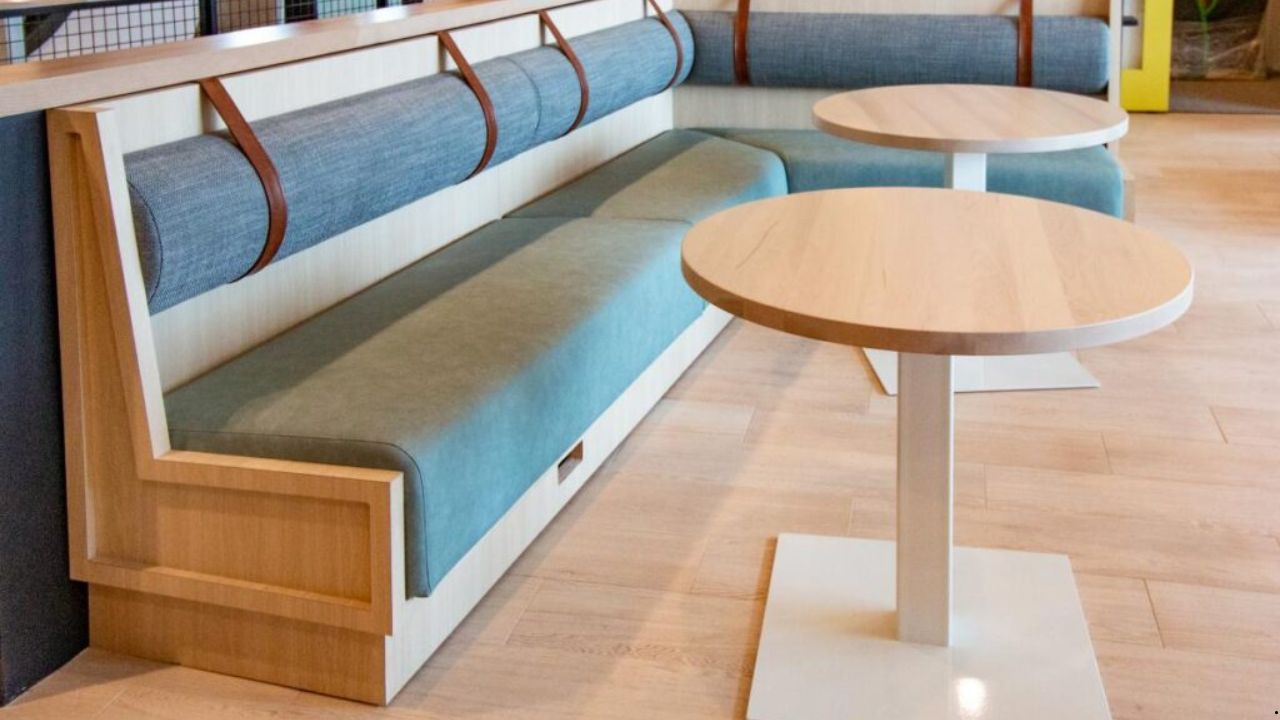

The professional environment is moving toward design elements that create comfort and support health and experience. Minimalist whites, cool grays, and high-gloss surfaces once defined commercial interiors, but lacked warmth. In 2026, warm wood tones and ultra-matte finishes are now central, reflecting a shift to organic, inviting spaces.
This evolution is a deliberate response to shifting priorities: increased emphasis on wellness in work environments and a cultural move towards authentic, tactile experiences. In a digital era dominated by screens, we crave tangible connections. As a result, commercial millwork contractors are moving away from synthetic-looking laminates, choosing the rich, varied textures of real timber instead. By embracing natural wood flaws and using non-reflective coatings, designers create spaces that reduce stress, improve well-being, and demonstrate a brand’s commitment to quality and longevity.
Table of Contents
The Psychological Power of Heat in Public Spaces
The shift toward warm wood tones is firmly established in biophilic design principles. These suggest that humans have an innate bond to the natural world. In a commercial setting, such as a law office lobby or a boutique hotel reception, the presence of wood can have a measurable impact on the nervous system. Research into 2026 workplace trends shows that natural wood environments can lower heart rates and reduce cortisol levels. This makes them appropriate for high-pressure occupational environments.
Warm tones, such as the bright hues of white oak, the deep ambers of walnut, and the radiance of cherry, evoke a sense of security and history. Custom millwork in these shades signals permanence and reliability. This differs from mass-produced furniture. In 2026, businesses choose these materials to demonstrate craftsmanship and purposefulness. A prominent walnut feature wall shows clients’ stability and prestige.
The Rise of the Matte Finish: Class Without the Shine
Wood color sets the emotional atmosphere. The finish determines how it interacts with light and touch. High-gloss finishes were once seen as luxurious. Now, they look artificial and require constant maintenance. Matte and ultra-matte finishes, prevalent in 2026, offer a softer, more refined look. They draw attention to the material itself.
A matte finish emphasizes the wood grain without glare, essential in offices with much glass and LED lighting. High-gloss surfaces cause distracting reflections and visual fatigue. Matte finishes diffuse light, creates a calm atmosphere, and highlights architectural details. Modern matte topcoats resist fingerprints and offer high durability, making them ideal for busy commercial spaces.
Transforming the Modern Workplace: From Office to Workspitality
Hospitality trends now drive millwork design. It blends workplace functionality with hospitality comfort. Companies want employees back in offices, so they rely on contractors to use warm wood paneling and matte finishes to create welcoming environments.
In 2026, offices are replacing uniform metal desks with custom-milled workstations featuring natural wood surfaces. These workstations often include integrated technology. For example, wireless charging pads sit beneath matte veneers. Cable management stays concealed. This approach supports digital productivity while maintaining a bond to nature. Choosing warm woods over plastics shows that employers value employee comfort and sensory interaction.
Sustainability as a Core Design Requirement
In 2026, sustainability drives commercial projects. Using warm wood tones often means choosing responsibly sourced or reclaimed materials. Contractors select FSC-certified lumber and upcycled timbers, and many also invest in custom wood windows to bring durability and natural character into commercial spaces.
Finishes now meet strict environmental standards. Many premium matte coatings are water-based and low in volatile organic compounds. This improves indoor air quality. Brands choose these options to reflect environmental values through their spaces.
Key Elements of the 2026 Millwork Movement
These trends are widespread across industries, from retail to healthcare. The following examples show how commercial millwork contractors use warmth and texture. They address modern design challenges.
- The use of fluted and reeded wood panels adds vertical texture and visual rhythm to large, flat expanses, such as elevator lobbies or long corridors.
- The integration of matte-finished nooks and acoustic pods within open-plan offices to provide employees with quiet, focused areas that feel cozy rather than confined.
- The selection of character-grade woods with visible knots and grain variations celebrates the material’s authenticity rather than striving for artificial perfection.
- Applying dead-flat matte sealers to large conference tables to prevent screen glare during video calls ensures a professional, distraction-free environment.
- The blending of warm wood millwork with biophilic elements, such as integrated planters or living walls, creates an effortless transition between the indoor and outdoor worlds.
- The shift toward darker, richer wood species, such as smoked oak and mahogany, provides a sense of modern heritage. This look appears both timeless and fresh.
- The development of modular millwork systems allows businesses to reconfigure their space. They maintain the high-end look of permanent, custom-built cabinetry.
These examples show how warm woods and matte finishes deliver on both practicality and design. Contractors focus on sensory interaction to create durable spaces that meet evolving needs.
The Versatility of Mixed Materials
A key feature of the 2026 design environment is the pairing of warm wood with other high-end materials. Wood is often combined with matte-finished metals, stone, and leather. For example, a white oak reception desk may feature a matte-black steel base and a honed marble top. This creates a rich, curated touch experience.
Commercial millwork contractors expertly manage transitions between materials. Achieving a smooth fit between stone and wood requires specialized precision. Wood acts as a warm counterbalance to cooler materials like glass or concrete. This prevents spaces from feeling overly industrial. This balance defines sophisticated 2026 design and helps brands appear modern yet approachable.
Future-Proofing Through Timeless Craftsmanship
With rapid technological change and evolving work patterns, business owners now prioritize interior design longevity. High-gloss, trendy finishes can quickly become outdated. They require frequent renovations. In contrast, warm wood tones offer timeless appeal. Features like walnut bookshelves or white oak walls stay relevant for decades.
Matte-finished wood develops a graceful patina over time. High-gloss surfaces highlight imperfections. Commercial millwork contractors consider this lifecycle. They use techniques that ensure structural integrity and lasting visual appeal. Focusing on quality supports sustainability by reducing replacements and limiting waste.
Realizing Your Vision with Sixth Avenue Custom
Creating a commercial space that balances warmth, technology, and brand identity requires more than blueprints. It requires collaboration with skilled artisans who understand their craft. Sixth Avenue Custom refines high-end commercial millwork for clients throughout Washington, D.C., Maryland, Virginia, and beyond, focusing on producing exceptional outcomes and white-glove service.
For projects ranging from law offices to luxury hotel lobbies to boutique retail spaces, our experienced millworkers deliver the luxury and charm of the 2026 design aesthetic. Every detail, from wood species to matte finish sheen, matters. By blending traditional craftsmanship with precise execution, we ensure your millwork becomes a signature element that reflects your brand’s devotion to excellence.
Are you interested in learning how custom millwork can elevate your next commercial project?
Contact Sixth Avenue Custom to Start Your Design Consultation Today.