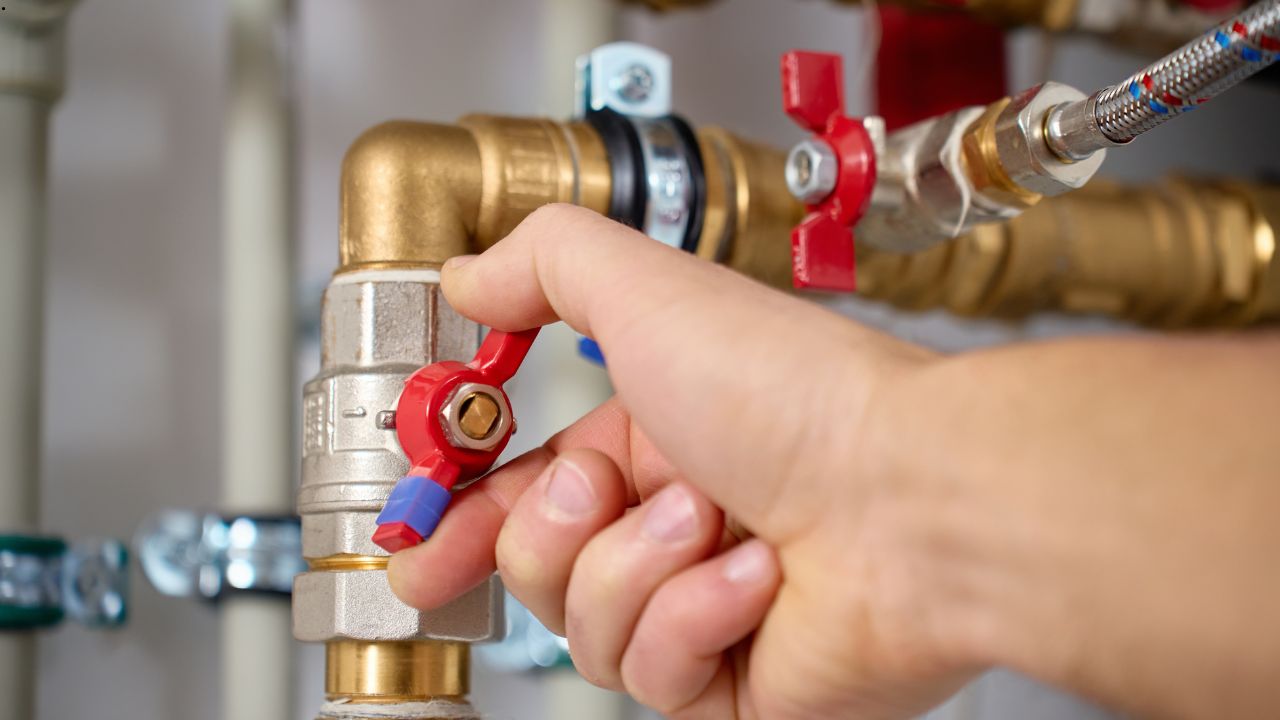

Selecting the right industrial components is a procurement decision that directly affects plant safety, operational uptime, regulatory compliance, and long-term maintenance costs. Whether you are sourcing a critical safety relief valve or upgrading your current pipeline infrastructure, this checklist-style guide will help procurement teams, plant engineers, and maintenance supervisors evaluate suppliers quickly and confidently to minimize risk and ensure repeatable, documented results.
Table of Contents
1. Certificates & Traceability You Must Request
Always ask suppliers for traceable test certificates and material certifications. At a minimum, you should request material mill certificates (EN/ASTM as applicable), individual valve test reports showing set pressure and lift, and any laboratory calibration certificates for the test benches used.
For statutory or hazardous applications, insist on traceable, third-party calibration certificates. If replacement parts are involved, confirm part numbers and OEM traceability. A clear chain of documentation reduces the risk of mismatched internals and catastrophic field failures.
2. Manufacturer & Brand Checks (Avoid One-Off Imports)
Work with reputable industrial valve manufacturers to ensure quality and authorized support. If you see local stocking agents offering “mystery” imports at rock-bottom prices, verify whether the vendor provides full spare-parts support and the ability to retest or recalibrate valves locally.
For customers who prefer established European manufacturing standards, consider asking about specific premium brands like Goetze valves and verify whether the supplier is an authorized distributor. Authorized status matters immensely for warranties, genuine parts availability, and direct technical support.
3. Spare Parts Availability & Lead-Time Negotiation
A smart procurement clause is to secure guaranteed lead times for critical spares and maintain a stocked spares listing. Just as you would rigorously evaluate vendor reliability when sourcing spare parts for pumps and compressors, you must secure the same supply chain guarantees for your pressure relief systems.
Ask the supplier for a standard spares kit for each valve model (which typically includes seats, discs, springs, and gaskets). Negotiate Service Level Agreements (SLAs) for emergency spares shipping and avoid sole-supplier risk unless there is a compelling technical reason. If long lead times are unavoidable, require the supplier to hold safety spares in regional Southeast Asian warehouses or include guaranteed restocking timelines in your contract.
4. Local Testing, Workshop Calibration & On-Site Services
Confirm whether the supplier offers on-site proof testing, or whether valves need to be removed and bench-tested. On-site proof testing is often faster and prevents excessive downtime, but bench testing in a calibrated workshop remains the gold standard for statutory or high-criticality valves.
Understand the basic uses of pressure regulator valves to better plan testing and calibration requirements.
5. Documentation, Tagging & Lifecycle Management
Require permanent physical tagging (detailing set pressure, serial number, and next test due date) alongside an electronic register that ties each valve to its historical test records.
Top-tier suppliers will provide digital records compatible with your plant’s CMMS (Computerized Maintenance Management System) so you can trigger predictive maintenance work orders automatically. Include a clause for replacement parts documentation (part number, material spec, revision code) to prevent incorrect component installations during reactive, late-night repairs.
6. Warranty, Repair Policy & Obsolescence Management
Clearly understand the warranty terms covering both workmanship and parts. Ask if the supplier offers refurbishment or modernization options for older valves, and whether they maintain an “obsolescence watch.” This proactive approach helps procurement teams plan CAPEX replacements systematically instead of being forced into expensive, emergency last-minute buys.
7. Negotiation Tips for Procurement Teams
- Bundle Orders: Combine volume buys and spare-kit orders to reduce your per-unit cost.
- Availability Clauses: Include a mandatory two-year parts availability clause for critical spares in your contracts.
- Inspections: Use strict acceptance inspection criteria and mandate on-site FAT (Factory Acceptance Testing) for large-scale project orders.
- Price Locks: Require price-hold windows for multi-month installation projects, and introduce penalty clauses for excessive lead-time slips.
Short Compliance Case: The Value of Traceability
When a regional manufacturing customer recently switched to a supplier who provided full traceable test records and warehoused regional spares, their Mean Time To Repair (MTTR) dropped by 40%. Because technicians could swap in certified, locally stocked spares immediately instead of waiting for back-ordered parts from overseas, that single procurement change drastically cut unplanned downtime and vastly improved their audit readiness for statutory regulatory inspections.
Where to Start Now
Begin by requesting the supplier’s standard documentation pack and a sample test certificate for the specific valve model your facility requires. For detailed product specifications, comprehensive spare lists, and proven testing capabilities, review the offerings of a trusted safety valve supplier and evaluate their proposals against the checklist above.
A disciplined procurement process reduces operational risk, protects your high-value assets, and keeps production running. Choose suppliers who can prove their reliability on paper—and in the field.

