
Worker protection is a top priority for companies across a wide range of industries. Not only do safety protocols and training matter, but the quality and type of protective clothing also play an essential role in minimizing risks. Among these garments, coveralls and overalls are among the most commonly used, designed to shield employees from a range of hazards daily. Products like overol hombre mezclilla provide vital coverage and support resilience in hazardous environments, underlining the importance of specialized workwear.
Ensuring individuals are appropriately outfitted helps protect against injuries and occupational illnesses linked to chemical, biological, or physical threats. The decision to outfit teams in quality coveralls and overalls not only reduces accidents but also elevates workplace morale by clearly prioritizing employee well-being. Selecting the right protective apparel is as strategic as any operational policy, ensuring productivity and efficiency remain high while risks are kept under control.
Modern work environments are dynamic. As risks evolve, so do the needs for better protection and enhanced comfort. Technology and fabric innovation continue to drive the development of safer and smarter work attire, making the discussion around coveralls and overalls increasingly relevant in today’s industries.
The added visibility, mobility, and strength of these garments cannot be overstated, especially in fields where employees work in rough environments, operate heavy machinery, or are exposed to hazardous chemicals. Their adoption goes far beyond mere convenience, as it represents a significant aspect of compliance with national and international safety standards.
Table of Contents
Understanding Coveralls and Overalls
Coveralls are full-body, one-piece garments that cover the entire body except the head, hands, and feet. Their design aims to provide full coverage and serve as a barrier against numerous occupational hazards, including dust, splashes, chemical exposure, and minor abrasions. Overalls, distinct from coveralls, usually leave the arms exposed and are intended to be worn over standard clothes. They primarily protect the chest, waist, and legs, making them ideal for tasks that involve kneeling, crawling, or exposure to spillages.
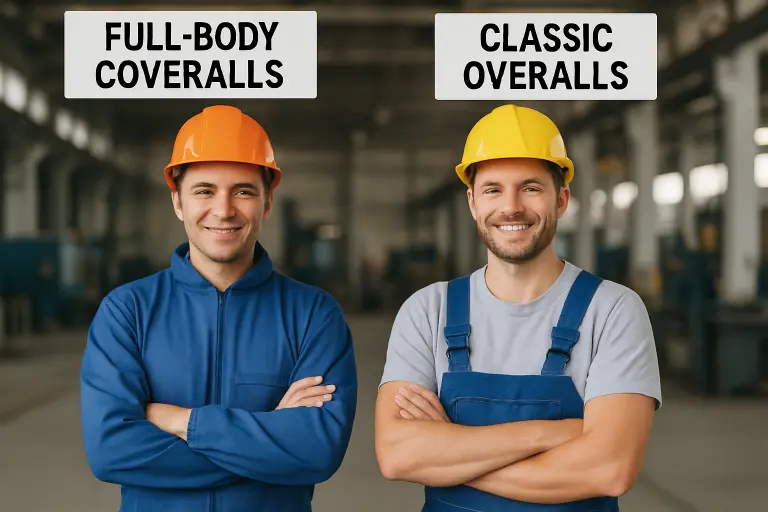
Understanding the difference between these two types of workwear helps organizations make informed decisions about which garment is ideal for specific job roles. Choosing results in fewer injuries and a safer, more comfortable working environment.
Key Benefits of Protective Workwear
- Comprehensive Protection: High-quality coveralls shield against contaminants such as dust, chemicals, and sparks, reducing the likelihood of work-related incidents. This is especially important in sectors like construction, pharmaceuticals, and heavy manufacturing.
- Enhanced Visibility: Reflective and brightly colored workwear improves safety in environments with limited lighting or increased vehicle movement, lowering the risk of accidents.
- Durability and Comfort: Modern materials and design advances mean that today’s coveralls and overalls provide not just protection but also breathability and ease of movement. Workplace preparedness also depends on having a strong first aid system, which helps ensure quick response to injuries and strengthens overall workplace safety culture.
Industry-Specific Applications
The utility of coveralls and overalls spans several sectors, each with tailored requirements for garment performance:
- Construction: These workers navigate sharp objects, falling debris, and rough materials. Heavy-duty coveralls cushion and shield them, while Following proper lifting safety practices is also essential on construction sites, as many accidents occur during material handling and equipment movement.
- Healthcare: Healthcare professionals rely on disposable or sterilized coveralls to minimize infection risks. Their gear must provide reliable protection against pathogens and hazardous substances.
- Oil and Gas: Flame-resistant coveralls are mandated to meet fire safety regulations. In heavy industrial operations, selecting the right hoist types can significantly improve lifting safety and reduce equipment-related hazards in the workplace.
Advancements in Protective Workwear
Technological improvements are revolutionizing protective clothing:
- Advanced Materials: The integration of flame-resistant fibers, water-repellent coatings, and lightweight yet tough textiles ensures greater defense without hampering movement.
- Ergonomic Design: Manufacturers focus on patterns that mimic human movement, offering articulated knees, gusseted crotches, and adjustable waists to reduce muscle strain.
- Smart Fabrics: Wireless-enabled garments can monitor heart rates and body temperatures, immediately flagging risks to supervisors. These innovations add another layer of safety in high-risk roles.
Economic Impact and Market Trends
The market for protective workwear, including coveralls and overalls, is projected to surge past USD 3 billion by 2035. This growth is largely fueled by improved safety awareness and tightening regulations worldwide. Companies are realizing that investing in durable, compliance-ready clothing can drastically cut the costs associated with lost workdays, insurance claims, and employee turnover.
High-quality workwear is not only about meeting governmental requirements. It also delivers a return on investment by increasing productivity, reducing absenteeism, and supporting a culture of safety. Data from sources such as the International Labour Organization suggest a direct link between proactive safety investments and operational efficiency.
Choosing the Right Protective Clothing
With so many options available, it is crucial to match garments to operational needs:
- Industry Requirements: Ensure each type of coverall or overall adheres to the legal and practical safety standards specific to your industry.
- Material Quality: Opt for fabrics that withstand the physical and chemical stresses typical of your work environment.
- Fit and Comfort: A good fit allows for freedom of movement and sustained use over long shifts, both of which are critical for performance and compliance.
Conclusion
Coveralls and overalls play a pivotal role in maximizing workplace safety across diverse industries. Their ability to offer robust protection, high visibility, and ergonomic comfort makes them indispensable to any modern workplace safety strategy. With ongoing advancements and greater regulatory focus on safety, these garments will continue to evolve, supporting safer, more productive work environments. Proactively choosing the right protective clothing is an investment not only in compliance, but also in the health and efficiency of your workforce.