Key Takeaways
- Consumer trust is paramount in the beauty industry, shaping purchasing patterns and lasting brand loyalty.
- Transparent, credible, and rigorous product testing cements a brand’s reputation and fosters consumer confidence.
- Brands that prioritize ethical testing practices and evidence-based claims are more likely to succeed in the long term.
Table of Contents
The Importance of Consumer Trust in Beauty
The beauty and personal care industry thrives on credibility. Today’s consumers look beyond attractive packaging and bold promises; they value safety, effectiveness, and ethical responsibility. Studies show that a significant majority of shoppers are more likely to purchase from brands that prioritize trusted standards and transparency. Trust, therefore, is the foundation upon which products convert interest into loyalty, particularly as health and wellness considerations become more central in consumer priorities.
This growing awareness has paved the way for sophisticated consumer product testing services, such as those provided by The Benchmarking Company. As one of the industry’s most sought-after research partners, The Benchmarking Company is recognized for delivering science-driven, consumer-centric data that helps brands build authentic trust through rigorous testing and third-party validation. Their comprehensive service areas include everything from clinical and sensory testing to custom consumer studies, empowering brands to substantiate their claims and thrive in a competitive marketplace. Trust built on these practices is the cornerstone of sustained brand growth.
The Role of Product Testing in Building Trust
An effective product is only as credible as the process used to test it. Rigid product testing protocols, including clinical evaluations, laboratory analysis, and extensive consumer perception studies, ensure products deliver on their promises. For beauty brands, adhering to high standards of safety and efficacy is not simply a regulatory necessity. It is a commercial imperative. Product testing results capture actionable insights into how a formula performs in the real world, demonstrating that a company values accountability and honesty. Strong testing also builds trust with retailers, and many popular beauty stores are more likely to support brands with proven results.
Transparency in Testing: A Key to Consumer Confidence
Talking about product development, especially sourcing and testing, resonates with modern consumers. Brands that share research, ingredient lists, and safety protocols demonstrate a commitment to consumer welfare. This transparency is vital, especially to counter skepticism or myths about ingredients. Detailing testing processes, such as clinical trial conditions or user demographics, boosts credibility and makes consumers feel valued and informed. Consumers prefer brands that reflect their values, especially when it comes to using cruelty-free products that are safe and ethically tested. Companies that credibly support these claims reduce risk and build loyal communities. Open communication about testing bridges the information gap and fosters trust.
Case Studies: Brands That Got It Right
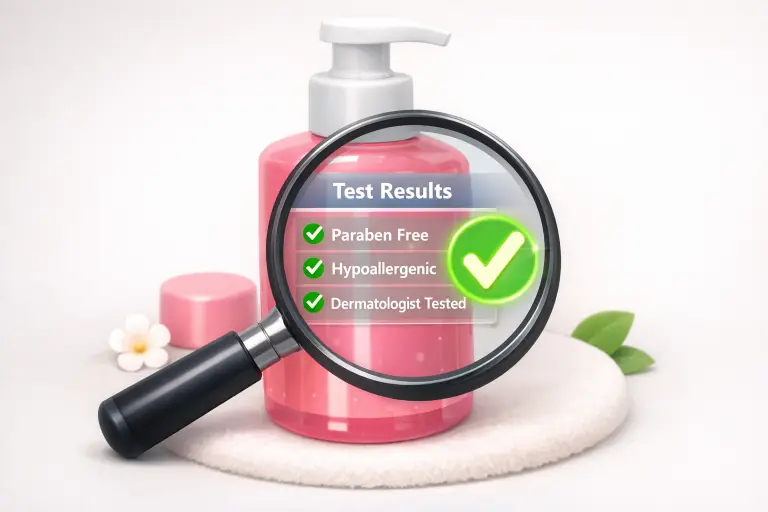
Industry leaders have demonstrated that transparent product testing is a powerful differentiator. Brands that invite third-party verification, display consumer feedback, and respond proactively to customer concerns consistently outperform competitors who remain opaque. For example, research has underscored that formal lab testing is the primary driver behind consumer trust in skincare brands, far surpassing the influence of social media validations. By investing in robust, visible testing processes, these brands have ensured that their efficacy claims are more than marketing.
When a brand’s transparency translates into a track record of positive outcomes and user satisfaction, it becomes easier to weather industry controversies or market shifts. Demonstrating safety, performance, and proven results makes community-building and brand advocacy much more organic and sustainable.
Challenges in Product Testing and Trust
While rigorous testing and transparent practices are valuable, they are not without challenges. The escalating complexity of regulatory frameworks and consumer protections can be overwhelming, especially for smaller or emerging brands with limited resources. Moreover, the industry has experienced a rise in “greenwashing”, where brands exaggerate or fabricate eco-friendly and clean-label claims, eroding overall consumer confidence.
Another persistent challenge is the cost and time associated with comprehensive testing programs. Not all companies have the means to access advanced testing technologies or third-party verification, creating a disparity in brand trustworthiness and market access. Addressing these issues requires both innovation and a willingness to adapt as standards evolve.
It is essential for even smaller brands to seek partnerships with credible testing agencies and to consider gradual scaling up of their compliance pipelines. This not only safeguards their reputation but also contributes positively to the industry as a whole, breaking down the barriers that keep the playing field uneven.
Future Trends: Trust and Innovation in Beauty Testing
Looking ahead, technology will revolutionize product testing and trust-building. AI, big data, and machine learning will enable more precise, cost-effective, and fast analysis of safety and efficacy. Automated systems can detect performance differences and safety issues, helping brands substantiate claims. Third-party certifications are gaining popularity, providing quick proof of safety, sustainability, and effectiveness through packaging cues. Innovations such as at-home testing and digital panels enable brands to gather usability data at scale, bridging lab insights with real-world performance. Proactive adoption of these technologies and transparency will build trust and industry leadership. As expectations grow, standards for trust, legitimacy, and validation will become more stringent.
Conclusion
In the modern beauty and personal care marketplace, trust is a decisive factor in securing and maintaining both consumer interest and loyalty. Effective and transparent consumer product testing, as practiced by leaders like The Benchmarking Company, provides a robust foundation for making well-supported claims that resonate with today’s discerning buyers. Brands that invest in credibility, clarity, and innovation will find trust is not just a value, but a sustainable competitive advantage that drives ongoing success.