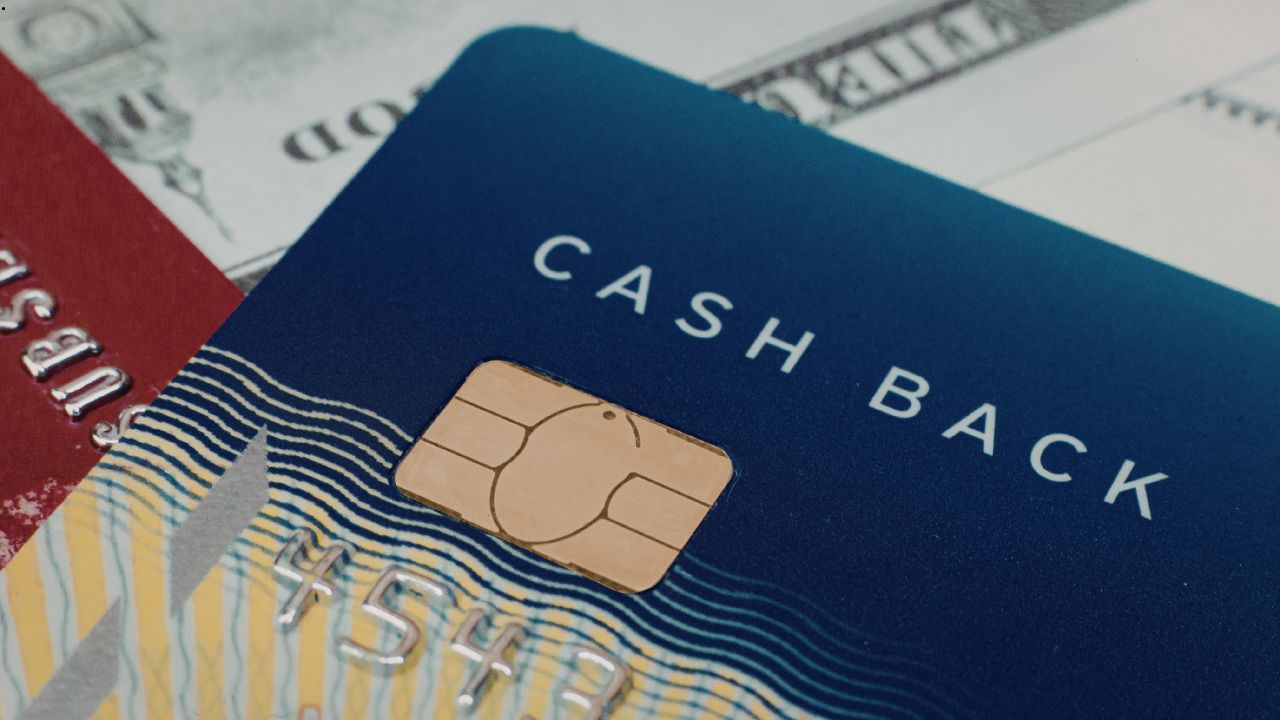

Credit cards have evolved well beyond their original role as simple payment instruments. Today, they sit at the center of a sprawling financial ecosystem that includes a growing segment known as credit card cashing services. Whether you are a business owner looking to free up working capital or an individual who needs immediate liquidity, understanding how these services operate and the business model that sustains them can help you make smarter financial decisions.
This article takes a deep look at what credit card cashing services are, the types of services available, how the business model works, the benefits for clients, and the key considerations every user should understand before getting started.
Table of Contents
What Are Credit Card Cashing Services?
Credit card cashing services are financial arrangements that allow individuals or businesses to convert their available credit card limit into liquid cash. Rather than using a credit card exclusively for purchases, users leverage their existing credit line to access funds that can be deposited directly into a bank account or received in another usable form.
At the most basic level, these services bridge the gap between having available credit and needing actual cash. Traditional credit card cash advances offered directly by card issuers are the most widely recognized version. However, the broader market includes third-party providers, merchant-based cashing arrangements, and fintech platforms that have refined the process significantly.
The demand for credit card cashing services has grown alongside the expansion of consumer and business credit markets. For many users, credit card cashing services represent a practical alternative to personal loans, bank overdrafts, or high-interest payday lending. When time is critical and options are limited, having access to cash from a credit card can make a meaningful difference in financial outcomes.
Types of Credit Card Cashing Services
Direct Cash Advances from Card Issuers

The most straightforward form of credit card cashing is the cash advance offered directly by the card issuer. Cardholders can withdraw cash at an ATM, request a bank transfer, or use a convenience check tied to their credit account. The available cash advance limit is typically a subset of the total credit limit, and funds are accessible almost immediately after the transaction is authorized.
Direct cash advances are simple to access but often carry higher interest rates than standard purchase APRs. They also tend to begin accruing interest immediately, without the grace period that applies to regular purchases. For borrowers who plan to repay quickly, the cost can be manageable. For those who carry a balance, the cumulative interest can become significant.
Third-Party Credit Card Cashing Providers
Third-party companies specialize in facilitating cash from credit card transactions outside the card issuer’s standard channels. These providers often offer higher cash limits, more flexible arrangements, and faster processing compared to bank-direct options. They operate by processing a credit card transaction on behalf of the client and returning the equivalent cash value minus a service fee through a wire transfer, bank deposit, or another agreed payment method.
The third-party model has grown considerably with the rise of fintech platforms. Online applications, automated verification, and digital disbursement have made third-party credit card cashing faster and more accessible than ever before. Learn more about third party companies here https://redanchorretirement.com.
Merchant-based credit card cashing services involve a registered business acting as the transaction intermediary. A client’s credit card is charged as though a purchase has been made, and the equivalent cash value is provided in return, minus the provider’s fee. This model is common in certain markets and industries where cash liquidity is a frequent operational need.
Merchant-based services rely on established point-of-sale infrastructure and require careful management of transaction categorization to remain compliant with payment network rules. Providers who run merchant-based operations typically maintain relationships with multiple merchants across different industry categories to distribute transaction volume and reduce concentration risk.
Credit Card Factoring for Businesses
Businesses with consistent credit card receivables can use credit card factoring services, where a third party advances cash based on projected future credit card sales. This is particularly popular in retail, hospitality, food service, and other consumer-facing industries with high card transaction volumes.
Unlike personal cash advances, factoring ties directly to business revenue streams. The provider advances a lump sum and collects repayment as a fixed percentage of daily credit card sales until the advance plus fees is fully recovered. This structure aligns repayment with actual business performance, making it an attractive option for businesses with seasonal or variable revenue patterns.
How the Business Model Works
Revenue Streams
Credit card cashing service providers generate revenue through several distinct channels:
- Transaction Fees: A percentage of the total cashed amount, typically ranging from 1.5% to 5%, is charged at the time of each transaction.
- Flat Service Fees: Some providers charge a fixed administrative fee per transaction regardless of the amount, sometimes combined with a percentage-based fee for larger transactions.
- Interest Spreads: In arrangements where funds are advanced before settlement, providers earn revenue on the interest differential between their cost of capital and the rate charged to the client.
- Membership or Subscription Fees: Certain platforms charge recurring monthly or annual fees for access to their cashing services, particularly for high-volume business clients.
- Merchant Revenue Sharing: In merchant-based models, the total fee is split between the service provider and the participating merchant, creating an incentive structure that supports network growth.
Merchant Relationships
Merchant-based cashing services rely on carefully maintained relationships between the provider and a network of registered merchants. These merchants process credit card transactions through their point-of-sale systems and pass the cash equivalent to the client, retaining their share of the transaction fee as revenue. Building and maintaining a trustworthy, compliant merchant network is one of the primary operational challenges and competitive advantages for service providers in this space.
Card networks such as Visa and Mastercard have specific rules governing how transactions are classified, processed, and reported. Compliant providers structure their merchant relationships carefully to ensure that all transactions are handled within the guidelines established by payment networks and card issuers.
Risk Management
Risk management is a central operational concern in the credit card cashing business. Providers actively manage several categories of risk:
- Credit Risk: The risk that a client’s card is declined, over-limit, frozen, or associated with fraudulent activity.
- Chargeback Risk: When a cardholder disputes a transaction, the provider or participating merchant may face a chargeback a forced reversal of funds initiated by the card issuer.
- Compliance Risk: Regulatory requirements around anti-money laundering (AML), know-your-customer (KYC) verification, and consumer financial protection laws impose significant obligations on providers.
- Fraud Risk: Identity theft and stolen card usage are persistent threats. Reputable providers invest in fraud detection technology, real-time transaction monitoring, and multi-factor identity verification systems.
Benefits of Credit Card Cashing Services
Immediate Access to Liquidity
The most significant benefit for users is speed. Unlike a traditional bank loan, which may take days or weeks to process and fund, a credit card cash advance or third-party cashing transaction can put funds in a user’s hands within hours. For businesses facing urgent cash flow needs a time-sensitive supplier payment, a payroll gap, or an unexpected equipment repair, this speed can be the difference between maintaining smooth operations and facing a disruptive shortfall.
No Need for Additional Loan Applications
Credit card cashing leverages an existing, pre-approved credit line. Users do not need to submit a new loan application, gather extensive financial documentation, or wait for a credit underwriting decision. This is particularly valuable for individuals and small business owners who may not have straightforward access to traditional bank financing.
Flexibility in Use of Funds
Cash from credit card cashing services can be used in many ways. People often use it for urgent bills, business expenses, or unexpected situations. Many businesses also combine it with prepaid payment solutions to manage spending, pay vendors, or control operational costs more efficiently.
Preserving Other Credit Lines and Capital
By tapping into an existing credit card limit rather than drawing down a business line of credit, depleting cash reserves, or liquidating investments, users can preserve other financial resources for different priorities. This strategic approach to liquidity management is a reason many financially sophisticated clients incorporate credit card cashing as part of a broader cash flow strategy.
How to Use Credit Card Cashing Services
Step 1: Assess Your Available Credit
Review your most recent credit card statement to determine your current available credit limit and any specific cash advance sublimit your issuer may have set.
Step 2: Compare Providers and Fee Structures
Compare transaction fees, flat service charges, minimum and maximum transaction amounts, disbursement timelines, and any ongoing membership costs. Reputable third-party providers publish their fee schedules transparently.
Step 3: Verify Legitimacy and Regulatory Compliance
Ensure the provider you choose operates within the applicable financial regulations in your jurisdiction. Look for registered business entities with clear contact information and verifiable merchant partnerships.
Step 4: Submit Your Request
Once a provider is selected and verified, provide your credit card details, the desired cash amount, and bank account information. The complete request-to-disbursement cycle can range from a few minutes to 24 hours.
Step 5: Manage Repayment Strategically
Cash obtained through credit card cashing becomes part of your outstanding credit card balance and accrues interest according to your card’s terms. Before using any credit card cashing service, it is smart to plan how you will repay the balance. Building better money habits and following simple budgeting tips can help you stay in control of your finances and avoid unnecessary debt.
Industry Insights and Considerations
The Growth of Fintech in Credit Card Cashing
Financial technology has significantly transformed the credit card cashing landscape. Mobile applications and digital platforms now allow users to initiate transactions, track disbursements, and manage repayment entirely from a smartphone. As embedded finance and open banking continue to expand globally, credit card cashing services are expected to become more deeply integrated with broader digital banking ecosystems.
Regulatory Environment
The regulatory framework governing credit card cashing varies significantly by country and, within the United States, by state. Consumer financial protection regulations require transparent disclosure of all fees, interest rates, and terms at the point of transaction. Users benefit from understanding the regulatory protections available to them including rights around dispute resolution, fee caps, and data privacy protections.
When Credit Card Cashing Makes Sense
Credit card cashing services are most appropriate when:
- A genuine short-term cash need exists and repayment is planned within a near-term timeline.
- The cost of the service fee and interest is lower than available alternative financing options.
- No other liquid funds or lower-cost credit options are immediately accessible.
- The use of funds will generate a return, prevent a larger financial loss, or resolve an urgent operational need.
Protecting Yourself as a Consumer
When engaging with any credit card cashing service, due diligence is non-negotiable. Verify the provider’s licensing and registration, read all terms and conditions carefully, and never share financial information through unsecured channels. Reputable providers will never require upfront payment before delivering cash proceeds.
Key Takeaways
| Factor | What to Know |
| Speed | Funds can be available within hours of a completed transaction |
| Cost | Transaction fees typically range from 1.5% to 5% of the cashed amount |
| Interest | Cash advances usually carry higher APRs and no grace period |
| Flexibility | Funds can be used for any purpose — personal or business |
| Risk Management | Providers manage credit, chargeback, compliance, and fraud risk |
| Best Use Case | Short-term liquidity gaps, not long-term or recurring financing |
| Regulation | Varies by jurisdiction; always verify a provider’s compliance status |
| Consumer Protection | Only use licensed, transparent providers with published terms |
Frequently Asked Questions
Is a credit card cash advance the same as a credit card cashing service?
A direct cash advance from your card issuer is the simplest and most widely available form of credit card cashing. Third-party credit card cashing services expand on this model by offering additional transaction structures, higher limits, and alternative disbursement options. The core concept converting available credit into cash is the same across both.
Does using a credit card cashing service affect my credit score?
Yes, drawing on your credit limit increases your credit utilization ratio, which is a significant factor in credit scoring models. Higher utilization can temporarily reduce your credit score. Prompt repayment reduces utilization and mitigates the long-term impact.
Are credit card cashing services legal?
Yes, when operated by properly licensed and compliant providers, credit card cashing services are lawful financial services. The legality and regulatory requirements vary by jurisdiction. Users should always verify that a provider holds the appropriate licenses for their region.
What is the typical fee for a credit card cashing transaction?
Most reputable providers charge between 1.5% and 5% of the total cashed amount as a transaction fee. Some also charge a flat administrative fee. Always request a complete fee disclosure in writing before proceeding.
Can businesses use credit card cashing services?
Yes. Businesses can access credit card cashing through corporate card cash advances, third-party providers, and credit card factoring services tied to their receivables. Factoring is widely used by businesses in retail, hospitality, and service industries as a flexible source of working capital.
Conclusion
Credit card cashing services occupy a legitimate and growing niche within the broader financial services landscape. They provide rapid, flexible access to liquidity for individuals and businesses that need cash without the delays and documentation requirements of conventional lending. The business model built on transaction fees, merchant relationships, and sophisticated risk management is designed to deliver speed and accessibility while managing the inherent risks of credit-based cash transactions.
For users who approach credit card cashing with a clear purpose, a defined repayment plan, and a commitment to working only with licensed and transparent providers, these services can serve as a valuable component of a well-rounded financial strategy. Understanding the full picture costs, risks, regulatory context, and best use cases — is what separates informed users from those who pay more than necessary for the liquidity they need.
As the fintech landscape continues to mature, credit card cashing services will likely become more accessible, more transparent, and more integrated with the digital financial tools that individuals and businesses rely on every day.