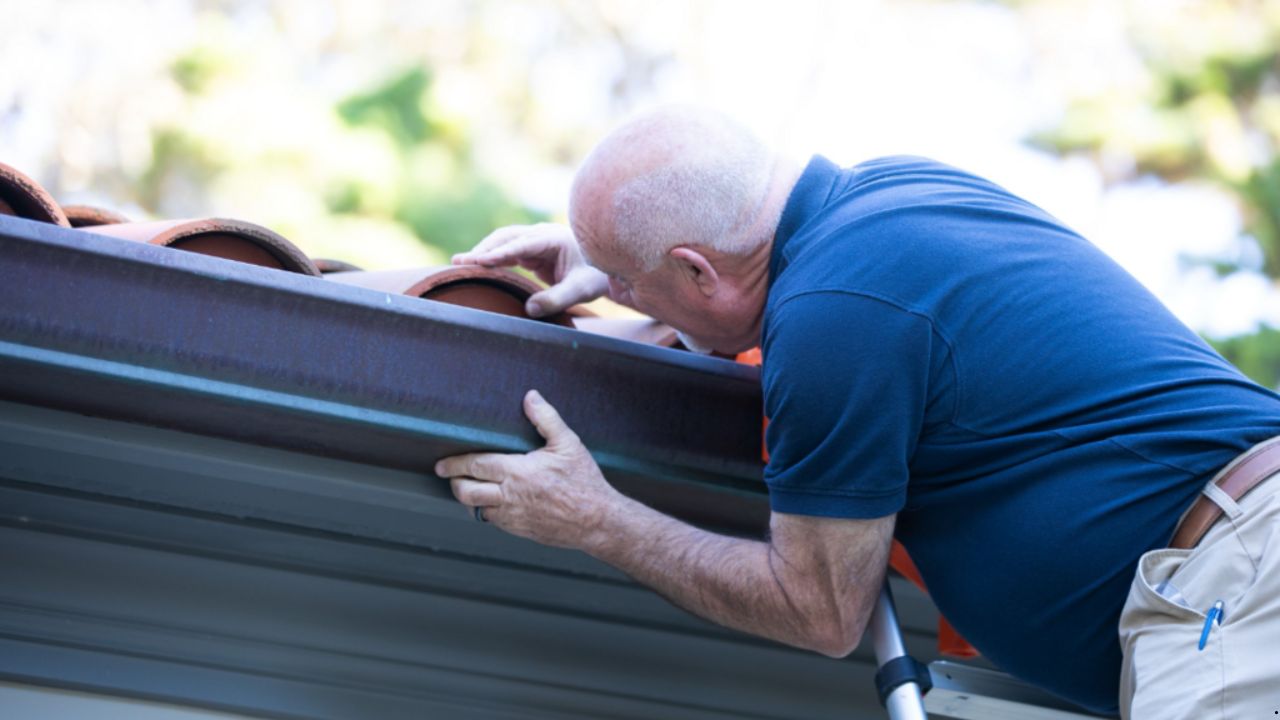
Roofs don’t fail overnight. They send warnings, subtle signals, and quiet hints long before the leaks, stains, and structural damage show up. Most homeowners miss these early signs because a roof feels too far out of sight and out of mind. But if your roof could talk, it would tell you exactly what’s weakening it, what needs attention, and what’s slowly cutting years off its lifespan. Understanding the story your roof is already telling you is the fastest way to protect your home, boost long-term performance, and avoid paying for unnecessary repairs down the road. Listening to these signals and acting early doesn’t just prevent disasters; it gives your home real staying power.
Table of Contents
The Roof’s Hidden Language: What It Wants You to Notice
Subtle Shingle Shifts Reveal the Bigger Picture
A roof doesn’t have to lose shingles to be in trouble. Sometimes the message is in the smallest movement. Curled edges, slight lifting, areas that look uneven, or patches that appear a shade darker tell you moisture is creeping in or that ventilation below the surface is failing. When shingles don’t lie flat, they can’t properly deflect heat, wind, or water. That’s when deterioration accelerates. Homeowners can check their roof’s overall state by evaluating the exterior condition regularly to catch subtle shifts early. This is why annual inspections matter so much: they pick up what your eyes simply overlook.
Granules in the Gutters Are Not “Normal Aging”
If your roof could speak, this is where it would get loud. Those tiny granules in your gutters are the roof’s protective armor. When they start showing up consistently, your shingles are losing durability and will soon be unable to withstand UV rays or heavy rain. The moment granule loss becomes visible, underlying asphalt begins to deteriorate. Most homeowners think this is harmless, but granule shedding is the first sign that your roof is nearing the end of its useful phase unless repairs or reinforcements are done.
Dark Streaks Tell a Story About Moisture and Heat
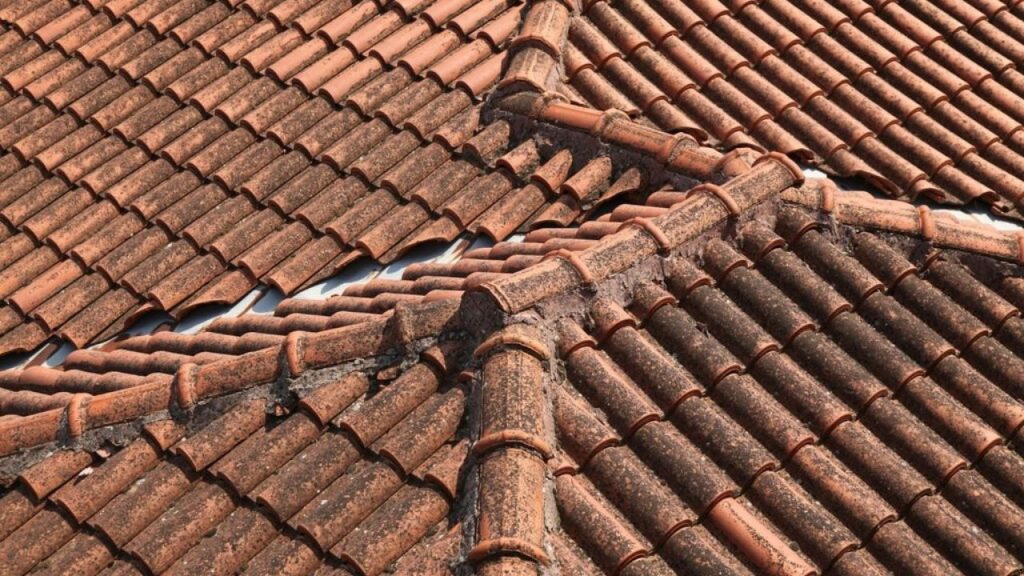
Many roofs discolor over time, but long vertical streaks or blotchy dark patches are messages about trapped moisture, algae growth, and overheating. These conditions weaken shingles from the inside out, and once moisture gets beneath them, the roof decking becomes vulnerable. Ignoring these streaks for months or years invites deeper structural problems that end up costing exponentially more to fix. Watching these streaks and treating them early is one of the easiest ways to extend your roof’s lifespan.
The Maintenance Playbook Your Roof Wishes You’d Follow
Clean Gutters Aren’t Optional
If your roof had feelings, clogged gutters would be its biggest frustration. When gutters overflow, water slides under shingles and sits against the roof edge, causing rot. Homeowners often think of gutter cleaning as a seasonal chore, but the truth is that after every major storm or heavy wind event, debris needs to be cleared. Keeping water moving away from the roofline is one of the simplest ways to protect the entire structure from unnecessary stress.
Attic Ventilation Isn’t About Comfort, It’s About Longevity
Your roof wants cooler, cleaner airflow underneath it. When attic ventilation is poor, heat gets trapped inside, pushing shingles to age prematurely. Moisture builds up, warping wood and softening fasteners. Suddenly a roof that should have lasted 25 years begins showing problems after 10 or 12. Balanced airflow, ridge vents, and unobstructed soffits are small upgrades that dramatically extend roof performance. A seasoned Huntington Roofing Contractor will always check ventilation first because it’s the root cause of so many long-term issues.
Inspections Aren’t Just for When Something Seems Wrong
Your roof would remind you: don’t wait for signs of damage before scheduling a checkup. Small issues like minor lifting, edge deterioration, and weakening sealant happen quietly. A professional inspection twice a year catches these changes while they’re small and easy to fix. Skipping inspections is the same as skipping oil changes in your car; by the time you feel the problem, it’s already expensive.
The Smart Homeowner Habits That Protect Your Roof for Decades
Trim Trees Before They Become a Threat
Branches don’t need to fall to cause damage. Even gentle rubbing during windy days wears down the shingle surface. Overhanging branches also drop debris that traps moisture, creating breeding grounds for moss and mold. Proactive trimming prevents abrasion, improves airflow, and reduces debris buildup. Homeowners who ignore tree growth often end up dealing with avoidable roof replacements.
Check Roof Flashing Regularly
Flashing is the protective metal that seals transitions around chimneys, skylights, and vents. If your roof could talk, it would tell you this is one of its most vulnerable points. Flashing failures are the top cause of slow, hidden leaks. The tricky part is that flashing damage rarely looks dramatic; even tiny separations let in enough water to cause rot or interior staining. For small leaks around flashing, you can also learn how to fix a leaking roof before damage spreads.
Keep an Eye on Interior Warning Signs
Your roof can only say so much from the outside. Often, the earliest red flags show up indoors. Water rings on ceilings, faint wall discoloration, a musty smell in the attic, or peeling paint near the roofline signals moisture intrusion long before it becomes visible from above. Many homeowners paint over these issues instead of investigating them, which allows the problem to grow. Listening to these indoor clues is one of the smartest things you can do to preserve your home.
Light Roof Cleaning Keeps Everything Stronger
Dirt, algae, and debris trap moisture. When moisture stays on the roof surface, shingles weaken faster. Gentle washing using the right techniques clears away buildup without stripping granules. Avoid pressure washing; it’s too aggressive and damages the protective surface. Light maintenance cleaning once a year keeps the roof breathable and resilient. This is where guidance from a Huntington Roofing Contractor becomes invaluable, especially when you want expert eyes on issues you can’t see from the ground.