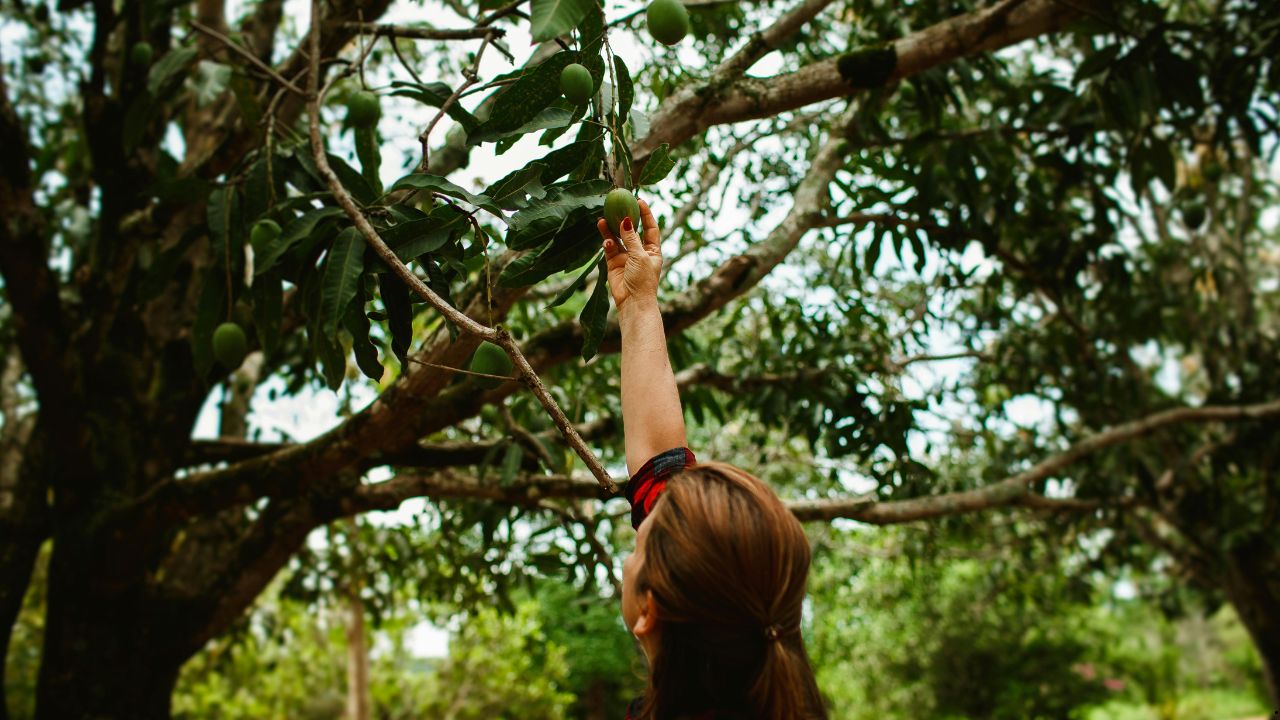

In recent years, many homeowners across Southern California have started rethinking what they grow in their yards. Instead of purely decorative landscaping, people are increasingly planting fruit trees that provide fresh food, shade, and long-term sustainability.
For residents of San Diego County, the region’s unique climate makes it one of the best places in the United States to grow a wide variety of fruit trees—from citrus and avocados to stone fruits, guavas, and even dragon fruit.
But successful fruit tree gardening requires more than simply planting a tree and hoping for the best. Understanding soil health, pruning techniques, pest management, and local microclimates can make the difference between a struggling tree and a thriving backyard orchard.
Table of Contents
Why San Diego Is Ideal for Growing Fruit
San Diego’s Mediterranean climate offers several advantages for fruit production:
- Mild winters
- Long growing seasons
- Minimal frost in many areas
- Abundant sunshine
- Diverse microclimates from coastal to inland
These conditions allow homeowners to grow an impressive variety of fruits year-round. Citrus trees, figs, avocados, peaches, plums, and tropical varieties can all flourish when planted correctly.
However, the same climate advantages also come with challenges. Soil quality varies widely across the region, irrigation practices must be carefully managed, and certain pests and fungal diseases can impact tree health if not addressed early. In some cases, proper tree removal may be necessary to make space for healthy, productive fruit trees.
The Importance of Proper Tree Pruning
One of the most overlooked aspects of fruit tree care is pruning. Many homeowners assume trees should simply grow naturally, but strategic pruning is essential for productive harvests.
When done properly, pruning can:
- Improve sunlight exposure
- Strengthen branch structure
- Increase fruit size and quality
- Reduce disease risk
- Keep trees manageable in size
Winter pruning is especially important for stone fruits like peaches, nectarines, and plums. During the dormant season, trees can be shaped to focus energy on developing healthy fruiting wood for the upcoming growing season.
Without pruning, trees often become tall and dense, which limits sunlight penetration and leads to smaller, harder-to-reach fruit.
Organic Gardening Is Gaining Popularity
Another major shift among homeowners is the move toward organic gardening practices. Instead of relying on synthetic fertilizers and chemical treatments, many gardeners now focus on improving soil biology and using natural solutions for pest and disease control.
Healthy soil is the foundation of a productive orchard. Organic methods emphasize:
- Compost and natural soil amendments
- Beneficial microorganisms
- Balanced nutrient management
- Pollinator-friendly planting
- Natural pest control methods
These practices not only improve fruit production but also support biodiversity and long-term soil health.
Planning a Backyard Orchard
Designing a successful home orchard involves more than selecting a few random trees. Important factors include:
- Choosing varieties suited to local microclimates
- Proper spacing between trees
- Cross-pollination requirements
- Irrigation planning
- Long-term pruning strategy
Many homeowners also incorporate companion plants such as herbs, flowers, and pollinator species to create a balanced garden ecosystem. For more garden tips, including layout ideas and plant selection, consider exploring expert guides to make your backyard both productive and beautiful.
For those who want expert guidance on orchard planning, pruning, or soil health, working with experienced fruit tree specialists can help avoid common mistakes and improve long-term success. Local services like Fruitmommy’s organic fruit tree experts in San Diego provide guidance on orchard installation, pruning, and organic fruit tree care tailored to the region’s unique growing conditions.
A Growing Movement Toward Homegrown Food
Planting fruit trees is more than a gardening trend—it’s part of a broader movement toward self-reliance, healthier food, and sustainable landscapes.
For many homeowners, the reward goes beyond the harvest. Fruit trees can transform a yard into a living ecosystem that supports birds, pollinators, and soil health while providing fresh produce for years to come.
With the right planning, proper care, and an understanding of local growing conditions, even a small backyard can become a thriving, productive orchard.