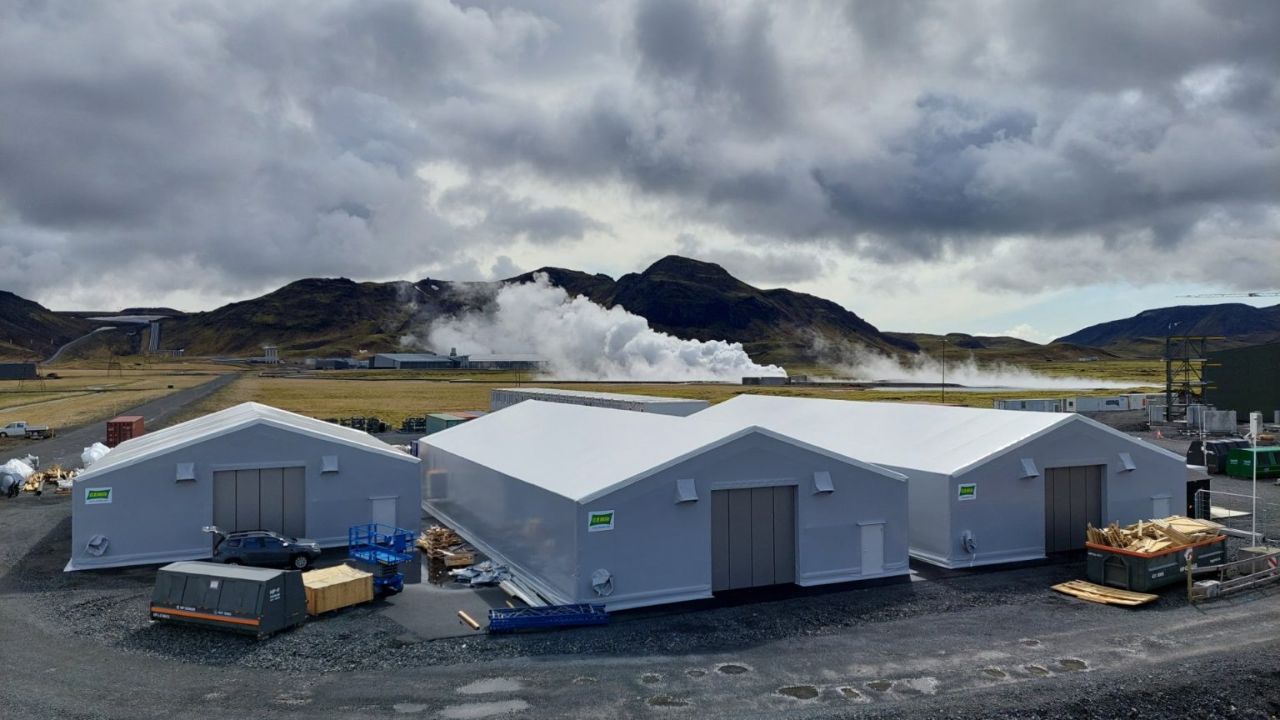

For decision-makers in the construction and industrial sectors, infrastructure is rarely just a physical asset; it is a strategic tool that must align with capital allocation goals and operational agility. When a business requires additional space—whether for a production line expansion, a temporary logistics hub, or a specialized equestrian facility—the primary dilemma is seldom about the structure itself, but rather the financing model. The choice between CAPEX (Capital Expenditure) and OPEX (Operating Expenditure) carries significant implications for a company’s balance sheet, tax liability, and long-term flexibility.
Understanding the nuances of these two paths is essential for project managers and financial directors who must justify large-scale investments in an unpredictable global market.
Table of Contents
The CAPEX Model: Ownership and Long-Term Stability
Investing in the purchase of a permanent or semi-permanent hall is a classic CAPEX move. This approach is generally most profitable for companies with stable, long-term production needs and a clear five-to-ten-year horizon. Ownership allows for complete customization and the eventual elimination of monthly “occupancy” costs once the asset is depreciated.
From an accounting perspective, a purchased hall is an asset on the balance sheet. While this increases the company’s net worth, it also ties up significant liquidity that could otherwise be used for R&D or core business operations. Furthermore, the owner assumes full responsibility for the lifecycle of the building, including maintenance, eventual repairs, and compliance with evolving structural safety standards.
The OPEX Model: Flexibility as a Competitive Advantage
For many modern industrial leaders, the “as-a-service” model has migrated from software to physical infrastructure. Renting a hall—the OPEX approach—is increasingly favored in sectors characterized by project-based contracts, seasonal surges, or rapid geographical expansion.
The primary driver here is agility. If a construction company secures a three-year infrastructure contract, renting a high-quality temporary hall ensures that the overhead exists only as long as the revenue stream does. Once the project concludes, the structure is dismantled by the provider, removing the logistical nightmare and cost of storing or selling a massive steel and fabric assembly.
Tax Efficiency and Cash Flow
From a fiscal standpoint, rental payments are typically treated as direct operating expenses. This can be highly advantageous as they are fully deductible in the period they are incurred, rather than being spread over decades through depreciation. For a board member responsible for investments, this means preserving the company’s “debt capacity” for other strategic moves. Similar strategic thinking is also seen in the shift toward energy ownership, where long-term assets are used to reduce recurring operational costs.
Maintenance, Risk, and Service Guarantees
One of the most overlooked factors in the buy-vs-rent debate is the “hidden” cost of ownership. When a company purchases a hall, they must manage—or outsource—technical inspections, fabric tensioning, and snow load monitoring. In a rental model, these responsibilities typically remain with the supplier.
Partnering with an experienced provider like OB Wiik Danmark allows managers to shift the burden of risk. When a hall is rented, the service agreement usually includes comprehensive maintenance and structural guarantees. This ensures that production and maintenance engineers can focus on internal KPIs rather than worrying about the integrity of the roof or the seals on the loading docks. If a component fails, it is the provider’s responsibility to rectify it quickly, minimizing operational downtime.
Decision Criteria: When to Rent and When to Buy
To facilitate a sound financial decision, decision-makers should evaluate their needs against a specific set of criteria. The following table highlights the optimal scenarios for each model:
| Factor | Favor Buying (CAPEX) | Favor Renting (OPEX) |
| Project Duration | Permanent (> 5–7 years) | Temporary or Uncertain (< 3 years) |
| Capital Availability | High surplus liquidity | Preference for cash preservation |
| Future Utility | Constant, unchanging usage | Likely to change or move |
| Maintenance Capacity | Internal facility team available | Lean operations, no spare capacity |
| Market Volatility | Stable industry outlook | High-growth or fluctuating sector |
For architects and structural designers, the rental model also offers the benefit of scalability. If a facility needs to be expanded six months into a project due to increased logistics volume, a rental agreement can often be adjusted to include additional modules far more easily than a permanent structure can be retrofitted.
Environmental and Logistical Considerations
In the current regulatory environment, occupational health and safety (OHS) and sustainability are no longer optional. Modern rental halls are engineered to meet strict regional codes for wind and snow loads, often surpassing the quality of older permanent “legacy” buildings.
Furthermore, the circular economy is inherently built into the rental model, a concept that also influences modern Dubai property investment strategies where long-term assets and flexible infrastructure planning go hand in hand. When a project ends, the hall is not demolished or abandoned; it is repurposed for another client. For public sector decision-makers and ESG-focused boards, this reduction in construction waste is a significant qualitative benefit that complements the quantitative financial gains.
Harmonizing Strategy with Infrastructure
Ultimately, the choice between renting and buying is a reflection of a company’s risk appetite and its vision for growth. A logistics specialist might prioritize the speed of deployment that a rental hall offers, while a production manager might prefer the permanence of a purchased asset.
The most successful industrial leaders are those who treat their buildings as dynamic components of their supply chain. By leveraging the flexibility of the rental market, businesses can protect their balance sheets while ensuring they always have the exact amount of space required to meet the demands of the day.