
Proper care of your home’s septic system is vital for the health and comfort of your family. While it may not always be top of mind, neglecting essential maintenance can lead to costly repairs and major inconveniences. Understanding how a well-maintained system protects your home makes it much easier to stay proactive. That’s where a reliable Septic Service comes in, helping you prevent problems before they become emergencies.
When homeowners take steps to maintain their septic systems, they enjoy smooth-running plumbing, avoid frustrating backups, and prevent environmental hazards. Failing to provide routine septic care not only jeopardizes your property but also endangers the surrounding groundwater and public health. Simple preventative actions can help you sidestep most of these problems and are far more affordable than emergency repairs or system replacement.
Table of Contents
Understanding Septic Systems
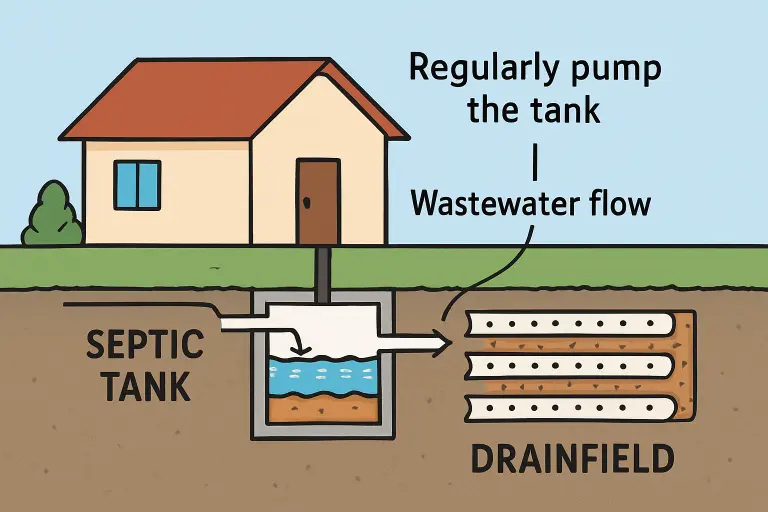
Septic systems are commonly used in areas without access to municipal sewer lines. The basic setup includes a septic tank that collects and breaks down household wastewater, and a drainfield that disperses treated wastewater into the soil. The process relies on a balance of bacteria and simple engineering to manage waste efficiently and safely. A congested or malfunctioning system often leads to environmental contamination or unpleasant household problems.
Knowing how a septic tank works and understanding its basic components is the first step in preventing issues. When the system is working as it should, household wastewater passes through the tank for preliminary treatment, then flows out to the drainfield for additional filtering. If any part of the system fails, untreated sewage can back up into your home or yard, posing health risks and causing property damage. For a deeper overview, you can visit the Environmental Protection Agency’s septic system guide.
Common Household Issues from Poor Maintenance
Without regular maintenance, septic systems can become a source of frustration for homeowners. Here are some of the most common issues caused by poor maintenance:
- Sewage Backups: When the system clogs, wastewater can flow back into sinks, bathtubs, or toilets. Besides causing unsanitary conditions, backups can be expensive to remove and clean up.
- Slow Drains: Drains in showers, sinks, or bathtubs that drain water slowly often indicate developing blockages in the system or near the drainfield.
- Unpleasant Odors: Foul smells, noticeable inside or outside your home, usually indicate problems with waste breakdown or system leaks.
- Water Pooling: Spongy patches or standing water above the drainfield suggest the system is overloaded or failing, which can saturate your yard and endanger nearby wells.
Ignoring these symptoms can quickly escalate issues, posing health concerns for your family and potentially requiring complete system replacement.
Essential Septic Maintenance Practices
Staying on top of septic system maintenance reduces risks and extends the system’s lifespan. Here are the top practices every homeowner should follow:
- Regular Inspections: Schedule septic inspections with a licensed professional at least once every three years. Inspections reveal early warning signs and help forestall bigger problems. Expert insights like these are explained in detail on the Consumer Reports Septic System Maintenance resource.
- Pumping the Tank: Tanks should be pumped every 3 to 5 years, depending on household size and water usage. This keeps solid waste from clogging pipes or overflowing into the drainfield.
- Water Conservation: Reduce water use whenever possible. Efficient fixtures, prompt leak repair, and mindful water use reduce the load on your tank and extend its lifespan.
- Proper Waste Disposal: Avoid flushing wipes, feminine hygiene products, grease, or harsh chemicals, and follow smart rubbish removal tips to keep your septic system healthy. These items are not breakdown-friendly and can harm bacterial balance or physically clog lines.
Seasonal Maintenance Tips
Septic system needs can shift with the seasons, demanding different approaches at different times of the year:
- Spring: Assess your system for any issues caused by winter weather, such as frost damage or water intrusion from melted snow. Clear debris from the drainfield area to ensure healthy drainage.
- Summer: Increased water use from laundry or guests can strain the system. Be mindful of what goes down the drains, and take particular care when landscaping near the drainfield to avoid damaging pipes from digging or heavy roots.
- Fall: This is the perfect time to get a professional inspection before cold weather hits. Remove leaves and other organic material that can obstruct drainage around the tank and field.
- Winter: Protect exposed pipes and the drainfield by insulating where possible. Keep traffic, including vehicles or heavy machinery, off the drainfield to avoid compacting soil and damaging the system.
Signs Your Septic System Needs Attention
Spotting septic problems early can save your household from a headache. Watch for these warning signs:
- Gurgling noises in toilets or drains
- Foul odors inside or near your home
- Frequent slow drains or frequent toilet backups
- Persistent puddles or wet spots near the septic or drainfield area
Always take these signs seriously, as delays may cause more extensive damage, which is costlier and more complicated to repair.
When to Call a Professional
Any evidence of system malfunction warrants immediate attention by a certified septic professional. Even routine maintenance, such as inspection or pumping, needs to be done by someone qualified for the task. Timely professional intervention can address root causes quickly and spare you substantial repair bills.
Cost-Benefit Analysis of Regular Maintenance
Routine septic system maintenance is far more affordable than repairing or replacing a neglected system. On average, professional tank pumping and inspection costs range from $250 to $500, depending on your region. In contrast, a complete septic system replacement can cost between $3,000 and $7,000 or more. In addition to direct financial savings, regular care enhances property value and prevents contamination of the neighborhood or the environment. Like the growing shift toward home energy ownership, proactive investment in your septic health is a wise and responsible long-term decision.
Conclusion
Simple habits and timely inspections are all it takes to avoid most problems with your septic system. By staying alert to warning signs and committing to a regular maintenance plan, your home will benefit from reliable, trouble-free plumbing and efficient waste management. A little prevention now is the best way to safeguard your household and protect your property for years to come.