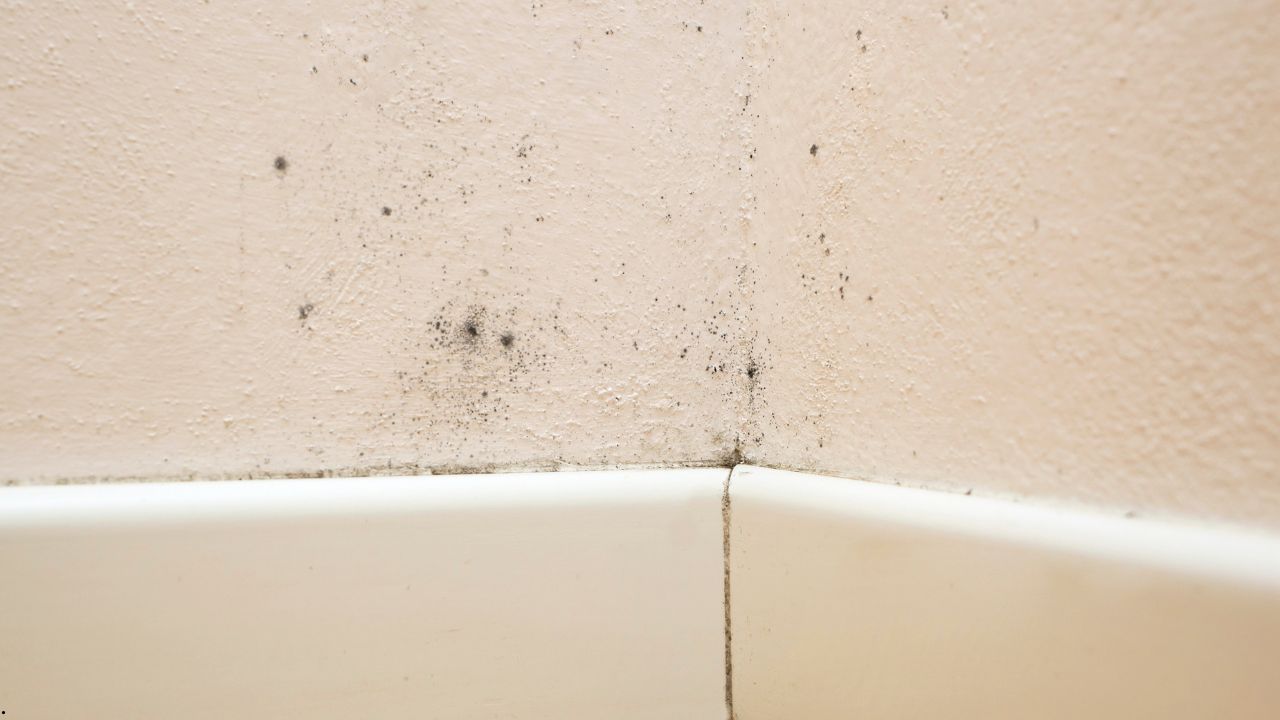

Professional mold testing is a critical process for assessing indoor air quality, identifying hidden mold growth, and determining the extent of contamination within a home or building. While small patches of visible mold can often be cleaned using basic household methods, understanding whether mold is widespread—or whether spores are circulating in the air—requires the expertise of certified inspectors and laboratory testing.
At its core, a professional mold inspection involves more than just looking for visible mold. Certified inspectors are trained to follow standards established by organizations such as the American Council for Accredited Certification (ACAC) and the Institute of Inspection, Cleaning and Restoration Certification (IICRC). These guidelines ensure that the inspection is conducted with scientific precision and that results are both accurate and legally defensible. The goal is to locate not only existing mold growth but also the conditions that allow it to thrive, such as excess moisture, poor ventilation, or hidden water damage moldactionplan.com.
The process often starts with a quick review of the property, much like professional home inspection services, followed by a detailed visual assessment. The inspector examines areas prone to dampness—such as basements, attics, bathrooms, and HVAC systems—for discoloration, musty odors, or warped materials. Using specialized tools like moisture meters, infrared cameras, and borescopes, the inspector can detect unseen leaks or humidity pockets where mold could develop inhauslab.com.
Once suspect areas are identified, the inspector collects samples using several techniques:
- Air Sampling: Perhaps the most common method, air sampling involves collecting air from inside and outside the property using a vacuum pump and spore trap. These samples are analyzed in a laboratory to determine spore concentration and identify species present. A higher indoor count compared to outdoor levels usually indicates a problem deeside.com.
- Surface Sampling: When mold is visible, inspectors may use swabs or adhesive tape to collect a surface sample. This test reveals the specific type of mold growing on a particular material, which helps guide remediation.
- Bulk Sampling: In some cases, a small piece of material such as drywall, carpet, or insulation is removed and tested. This method helps determine how deeply mold has penetrated a surface.
After laboratory analysis, the inspector provides a detailed report summarizing findings. The document typically includes spore counts, species identification, probable moisture sources, and recommendations for remediation if necessary. Importantly, a certified inspector offers unbiased results, as many professionals do not conduct the cleanup themselves—an ethical separation that ensures impartial advice greenworksllc.com.
Professional mold testing offers peace of mind for homeowners concerned about their health or property value. Elevated mold levels have been linked to respiratory irritation, allergic reactions, and other health risks, especially in vulnerable individuals such as children or the elderly. Identifying and addressing these issues early prevents structural damage and costly repairs later.
In short, professional mold testing is not just about spotting mold—it’s about understanding the full picture of your indoor environment. With proper testing and expert interpretation, homeowners gain the knowledge needed to create a cleaner, safer, and healthier living space.