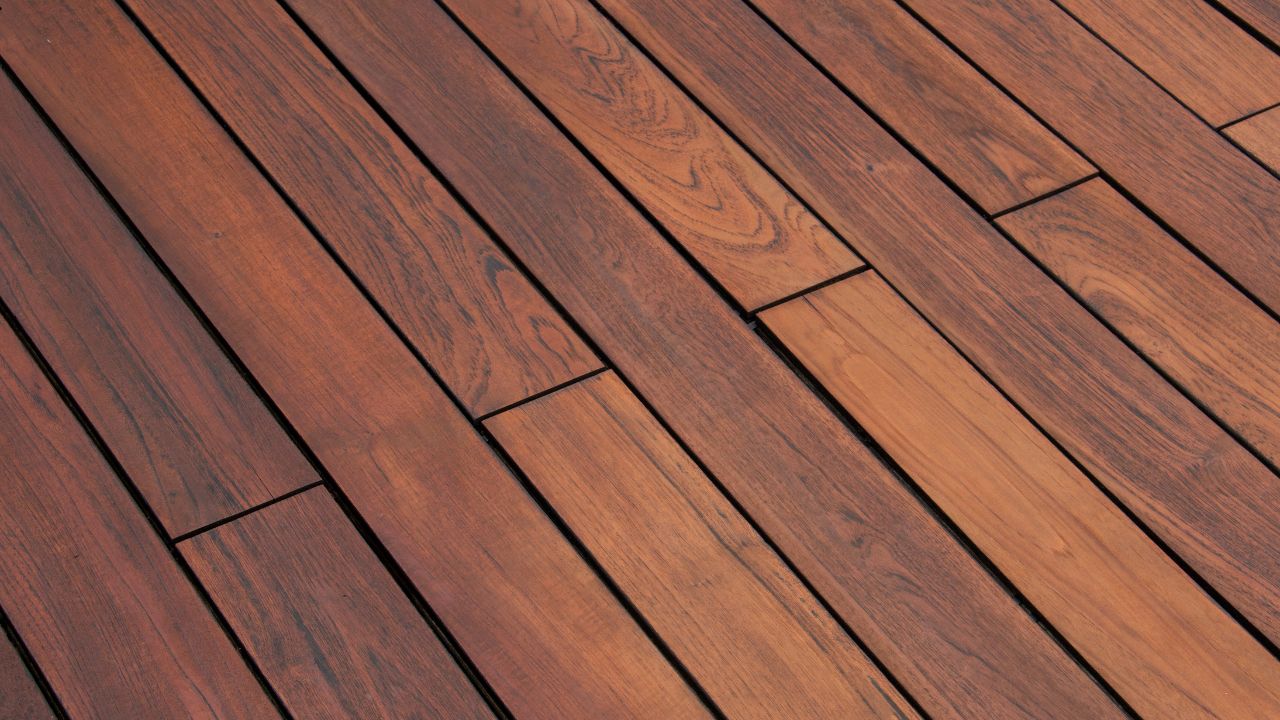

Choosing wood for a new deck seems simple at first. It’s easy to focus on how it looks – the colour, the grain, the finish – and assume that if it looks right, it will perform the way you expect. But decking is one of those decisions where appearance is only a small part of the picture.
A deck is exposed to everything. Sun, rain, moisture, foot traffic, temperature changes – all of it. And the type of timber you choose determines how well that surface handles those conditions over time. That’s why many people only start looking more closely at options like decking in Perth after their original choice begins to wear faster than expected.
If you’re at the stage of selecting materials, it’s worth understanding what actually matters before you commit to something that’s difficult to change later.
Table of Contents
Not All Timber Performs the Same Outdoors
Different types of wood respond very differently once they’re installed outside.
Some timbers are naturally dense and resistant to moisture. Others are softer, more porous, and more prone to movement or decay. While many options can look similar at installation, those differences become more noticeable over time.
A timber that isn’t suited to outdoor conditions might start to warp, split, or fade sooner than expected. Even with treatment, some materials simply don’t handle exposure as well as others.
Choosing between different materials often comes down to long-term performance rather than first impressions. Many homeowners compare options before committing, and understanding the difference between natural vs artificial wood can make it much easier to decide what actually works best outdoors.
Appearance Changes Faster Than You Expect
Freshly installed decking often looks its best immediately after completion. The colour is rich, the surface is clean, and everything feels new.
But timber doesn’t stay that way.
Exposure to sunlight and weather gradually changes its appearance. Some woods fade to a softer, more muted tone. Others can develop uneven colouring or surface wear if they’re not maintained properly.
These changes aren’t necessarily a problem, but they should be expected. Choosing a timber without considering how it will age can lead to disappointment later, even if the initial result looked exactly right.
A good choice is one that still looks acceptable to you after it has settled into its natural weathered state.
Maintenance Is Part of the Decision
Every timber deck requires some level of maintenance, but the amount varies depending on the material.
Some woods need regular oiling or sealing to retain their appearance and protect against moisture. Others are more forgiving and can go longer between treatments.
The issue isn’t maintenance itself – it’s whether it matches what you’re willing to do over time. A deck that requires frequent upkeep can start to feel like a burden if that expectation wasn’t clear from the beginning.
Choosing a timber that aligns with your level of commitment helps avoid that disconnect.
Movement and Stability Matter More Than You Think
Timber is a natural material, which means it expands and contracts with changes in temperature and moisture.
Some types of wood are more stable than others. They’re less likely to shift, twist, or develop gaps over time. Others can be more reactive, particularly in environments where conditions fluctuate.
This movement isn’t always obvious at installation, but it becomes more noticeable as the deck settles. Boards can shift slightly, fastenings can loosen, and the overall surface can change.
Selecting a timber with good stability helps maintain a consistent finish over time.
Surface Feel and Safety Are Often Overlooked
How a deck feels underfoot is just as important as how it looks.
Some timbers retain heat more than others, making them uncomfortable in direct sun. Others may become slippery when wet, depending on their finish and grain.
These factors tend to be overlooked during selection because they’re not immediately visible. They only become apparent once the deck is in use.
Considering how the surface will feel in different conditions helps ensure the space is comfortable as well as visually appealing.
Cost Isn’t Just the Initial Price
Budget plays a role in every decision, but focusing only on upfront cost can be misleading.
Less expensive timber may seem like a good option initially, but if it requires more maintenance, repairs, or earlier replacement, the overall cost can be higher over time.
More durable materials often come with a higher initial investment, but they can reduce ongoing expenses and effort.
Looking at cost in terms of lifespan rather than just installation helps create a more accurate picture.
The Environment Around the Deck Makes a Difference
Where your deck sits affects how timber performs.
Areas with more exposure to sun may cause faster fading or drying. Shaded areas might retain moisture for longer, increasing the risk of mould or decay. Proximity to water features or gardens can also influence how the material behaves.
These environmental factors don’t change the timber itself, but they influence how it responds.
Choosing a material without considering its surroundings can lead to uneven wear or unexpected maintenance issues.
Getting the Choice Right From the Start
Once a deck is installed, changing the material isn’t a simple adjustment. It usually means removing and replacing large sections, which is both time-consuming and costly.
That’s why the selection process matters so much.
The best choice isn’t always the one that looks the most impressive initially. It’s the one that continues to perform, feel, and look acceptable as conditions change over time.
Taking the time to understand how different timbers behave helps you make a decision that holds up, rather than one that needs revisiting.
And ultimately, that’s what makes a deck successful – not just how it appears when it’s new, but how well it continues to work as it’s used every day.