In today’s fast-paced world, nurturing wellbeing is often seen as complicated—but at its core, building healthier routines starts with movement. Even modest, regular activities, such as walking, stretching, or standing up periodically, can have profound effects on both physical and mental health. People seeking to alleviate chronic discomfort or tension may benefit from expert care, such as the best chiropractor for back pain in Newport News VA, in addition to practical daily habits.
The good news is that these positive shifts do not require drastic lifestyle overhauls or a gym membership. With thoughtful integration, movement becomes a natural and enjoyable part of everyday life, supporting resilience, longevity, and happiness for people of all ages.
Table of Contents
Physical Health Benefits
Frequent physical activity is associated with a lower risk of chronic diseases, ranging from heart disease and type 2 diabetes to obesity. Regular movement supports muscle and joint health, improves circulation, and can even help manage pain. A study by the National Heart, Lung, and Blood Institute reported that women who accumulated more daily activity had a higher likelihood of remaining disease-free even twenty years later. This highlights the importance of incorporating even small movements into daily routines for immune support and lifelong health.
Movement doesn’t have to mean intense exercise. Passive activities, such as standing more often or gently stretching, also play a role in reducing the risks associated with sedentary behavior. Over time, these micro-movements compound, supporting cardiovascular, metabolic, and musculoskeletal health.
Mental Health Improvements
The benefits of movement extend far beyond the physical realm. Regular activity has a substantial positive impact on mental health, helping to alleviate symptoms of stress, anxiety, and depression. Scientific research indicates that just fifteen minutes of daily movement can have a greater effect on mental well-being than even a wellness retreat. These benefits aren’t limited to high-intensity activities—simple movement triggers the production of endorphins and neurotransmitters like serotonin, which lift mood and support resilience against daily stressors. Making a consistent part of your day is an effective and accessible strategy for mental health.
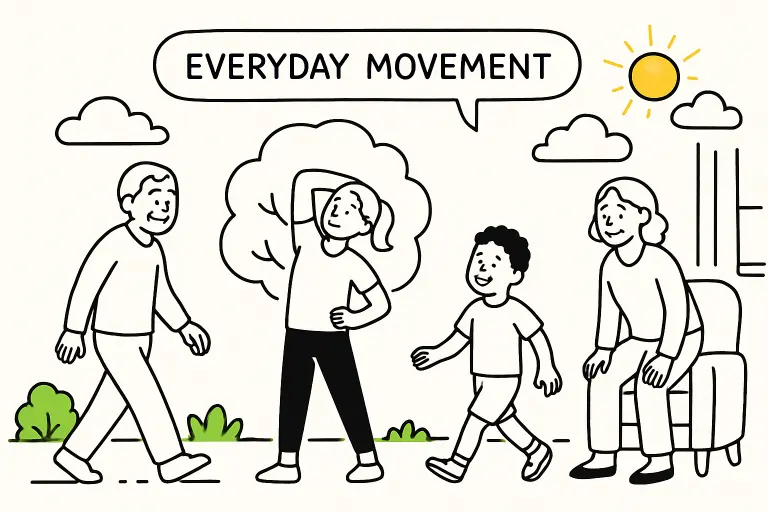
Simple Ways to Incorporate Movement
- Take short walking breaks during work hours to keep blood flowing and re-energize your mind.
- Choose stairs over elevators or escalators to introduce brief but meaningful bursts of activity.
- Include gentle stretching while watching TV or during waiting periods, such as heating food or during commercials.
- Stand or walk around during phone calls to avoid prolonged sitting and engage different muscle groups.
Small changes add up. Even if your schedule is packed, micro-movements maintain flexibility, ease joint discomfort, and break up long periods of inactivity.
Overcoming Sedentary Lifestyles
Modern society often encourages extended sitting at desks, in cars, or while relaxing at home. Unfortunately, extended sedentariness is correlated with increased risk for numerous health conditions, including back pain and decreased mobility. One proven strategy to combat this is “habit stacking,” where a new movement habit is paired with an existing routine. For instance, you might do five air squats every time you get up from your chair, or stretch while brushing your teeth. This approach reduces resistance to forming new habits because the cue is already part of your daily routine.
Creating reminders—for instance, setting phone alarms or leaving resistance bands near your workspace—can also boost adherence and become a seamless part of your lifestyle.
Creating Sustainable Movement Habits
Making movement an enduring part of life depends on consistency and enjoyment. Start by setting specific, attainable goals, such as three ten-minute walks per day or stretches every morning. As you progress, increasing the frequency or variety of activities can maintain interest and motivation. Importantly, focus on activities you genuinely enjoy—whether it’s gardening, dancing, swimming, or walking a pet. This ensures that habits form organically, rather than feeling forced.
Accountability can also help. Walking with a friend, joining a fitness group, or using a fitness tracker to monitor your daily steps creates positive reinforcement and helps maintain momentum. Remember, everyone’s journey is unique—what matters most is making movement a regular, rewarding experience.
Conclusion
Movement is a foundation of health—the more naturally and consistently it’s woven into everyday life, the greater its benefits for both body and mind. Embracing simple strategies—such as habit stacking, taking walking breaks, and setting attainable goals—paves the way for sustained wellbeing. It’s never too late to start. Each step, no matter how small, is a purposeful stride toward a healthier, more vibrant life.