Key Takeaways
- Comprehensive safety training lays the groundwork for safe field service environments across multiple industries.
- Digital technologies, such as inspection and analytics platforms, are transforming safety oversight and response times in the field.
- Regulatory vigilance enables organizations to stay compliant amid rapidly shifting standards and requirements.
- Routine equipment maintenance and evaluation are crucial for maintaining ongoing safety and achieving optimal operational performance.
Field service operations encompass a diverse range of industries, including heavy construction, utilities, telecommunications, energy, and equipment maintenance. In each of these fields, teams of personnel are often deployed to remote or unpredictable environments, where the risks and hazards can shift rapidly. This makes prioritizing safety both a moral imperative for employers and an absolute requirement for business continuity and success. When organizations take a proactive approach—such as integrating API inspection services for drilling structures worldwide—they position themselves to detect, prevent, and mitigate dangers before they escalate. By building safety protocols directly into their processes from the outset, these companies ensure not just regulatory compliance but also a steadfast commitment to the well-being of every worker.
Beyond protecting individuals, thoroughly implemented safety best practices yield a wealth of operational advantages. For companies with field teams, effective safety measures safeguard productivity, reduce incidents of costly downtime, and help avoid fines or penalties linked to regulatory non-compliance. The very foundation of robust field safety programs is their ability to adapt and evolve, reflecting changes in both technology and industry regulations. As organizations integrate digital innovations, invest in proactive maintenance routines, and offer continuous educational opportunities for their workforce, they stand at the forefront of both workplace protection and industry reliability. These strategies ultimately empower companies to meet new challenges head-on, minimizing risk while ensuring their teams operate at peak efficiency.
Table of Contents
Comprehensive Safety Training Programs
Effective safety training is the first and most important step toward preventing accidents for field service teams. Workers operating in high-risk environments—such as those working at heights, with electrical equipment, or in confined spaces—must be trained not only to identify hazards but also to understand how to use personal protective equipment, operate complex machinery, and respond to emergencies calmly and efficiently. Modern programs, such as the Field Safety Certification offered by the Utility Safety Authority, are designed to encompass these core competencies and promote ongoing learning. These certifications typically include both classroom and hands-on components to ensure real-world readiness and proficiency. The benefits reach beyond simple compliance; such training helps foster a lasting safety-oriented mindset among utility craftworkers and field personnel, making it less likely that corners will be cut on-site. According to the Occupational Safety and Health Administration (OSHA), regular, systematic, and updated training can dramatically reduce the risk and frequency of workplace injuries. Through scenario-based drills, online modules, and peer mentoring, organizations are building stronger and more resilient safety cultures than ever before.
Adoption of Digital Inspection Tools
The adoption of digital inspection and reporting platforms has ushered in a new era of enhanced safety compliance and operational transparency for field service organizations. These platforms enable seamless interaction and data sharing among inspectors, on-site workers, safety consultants, and compliance managers, thereby improving coordination across teams located miles apart. Programs like the Field Inspection Partnership Program leverage real-time information flow, enabling instant reporting, uploading photographic evidence, and rapid issue resolution through a single digital interface. This development enables supervisors to address detected hazards in minutes rather than hours or days, thereby sharply reducing potential risks. These insights also support proactive property maintenance, helping organizations address structural and safety issues before they escalate. The integration of these technologies streamlines documentation, clarifies compliance status, and supports auditable trails of corrective actions—an essential feature during regulatory reviews.
Staying Updated with Regulatory Changes
Government and industry regulators continually refine occupational safety standards to reflect new research, real-world incident data, and advancements in technology. For instance, the California Occupational Safety and Health Standards Board has recently implemented significant changes, such as lowering the trigger height for fall protection in construction from fifteen feet to six feet. Such updates can necessitate swift changes to equipment, procedures, or training programs, which in turn impact day-to-day field operations. Remaining compliant also requires understanding regional requirements such as business licensing, especially for organizations expanding operations into new markets. This often necessitates appointing designated compliance officers who track industry bulletins, attend regulatory briefings, and promptly communicate changes to senior leadership and project managers. By doing so, companies avoid legal pitfalls, protect employee well-being, and demonstrate their commitment to operating responsibly within their sector.
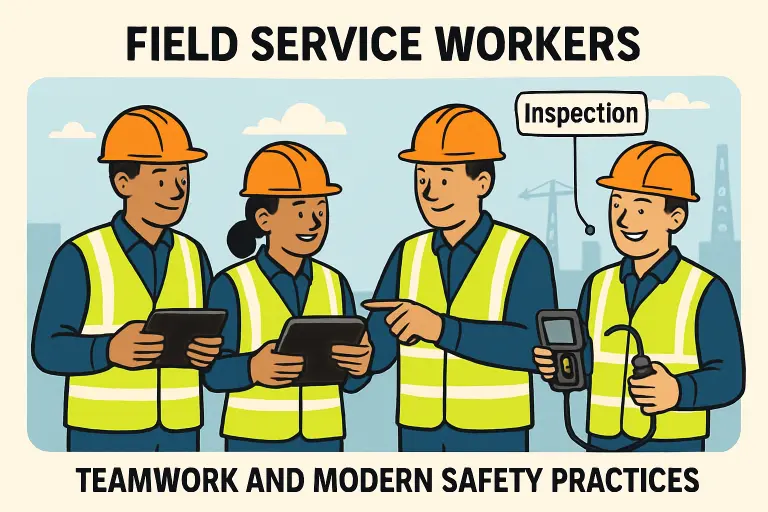
Routine inspection and vigilant maintenance of all equipment—ranging from vehicles and lifting gear to safety harnesses and electrical tools—are foundational to any field safety strategy. Over time, even well-made equipment can experience wear or subtle malfunctions that, if left unaddressed, may result in catastrophic failures. Third-party field evaluation services, such as those offered by eSAFE, play a crucial role by providing objective perspectives that internal teams might overlook. These experts systematically assess compliance with the latest codes, identify emerging defects, and highlight areas for improvement before problems escalate into costly or dangerous incidents. Strategic decisions around hire vs buy equipment also influence maintenance responsibilities, safety compliance, and long-term operational efficiency. Insights from the National Safety Council emphasize that maintenance is the backbone of a safety culture, particularly in high-risk and high-compliance industries, where even the smallest oversight can have significant consequences. Sharing maintenance insights with front-line teams also empowers workers to take ownership of their own safety and develop a watchful eye for potential problems.
Embracing Wearable Safety Technology
Exciting advances in wearable technology are providing field service teams with enhanced layers of personal protection and risk awareness. Devices such as smart helmets are equipped with augmented reality displays, environmental sensors, and real-time communication capabilities, providing workers with live situational data and instant alerts when dangerous thresholds are breached. Wristbands and personal monitors can now track critical metrics, such as exposure to vibration, temperature extremes, or proximity to hazardous zones, dramatically improving the ability to prevent accidents before they occur. Notably, sensors designed to monitor hand-arm vibration exposure help combat the rise of Hand-Arm Vibration Syndrome (HAVS), a chronic condition among power tool operators. By gathering exposure data in real time, these wearables enable supervisors and workers to intervene before symptoms develop. Incorporating wearable safety gear, especially when aligned with the latest standards, fosters a proactive approach to risk mitigation, creating a dynamic safety net that complements traditional controls and empowers teams to identify and address threats promptly.
Final Thoughts
Ensuring safety in the field services sector requires more than adopting a single solution or running occasional safety drills. Leading organizations recognize that robust safety outcomes arise from a multifaceted, holistic strategy—one that weaves together thorough training, innovative digital monitoring platforms, strict regulatory surveillance, meticulous equipment maintenance, and state-of-the-art wearable devices. By embedding these safety components into the DNA of their daily operations, these companies not only minimize incident rates but also cultivate resilient, safety-first cultures that extend far beyond compliance. Continual investment in emerging trends and the regular refinement of established best practices remain the secret to lasting workplace safety, industry leadership, and organizational excellence.